
The ancient city of Mandalay has long served as a vital crossroads of commerce, where goods from distant borders mix with the products of local industry in a dense, continuous exchange. Among these commodities, pharmaceuticals occupy a position of unique trust, passing through the hands of distributors, pharmacists, and families who rely on them to preserve life itself. In the quiet, unassuming quarters of the city, away from the bustling main avenues, this trust is assumed to be absolute, protected by the specialized language of science and regulatory oversight. Yet, beneath this veneer of medical security, a more sinister economy can sometimes take root, driven by an indifference to human vulnerability that operates entirely in the dark.
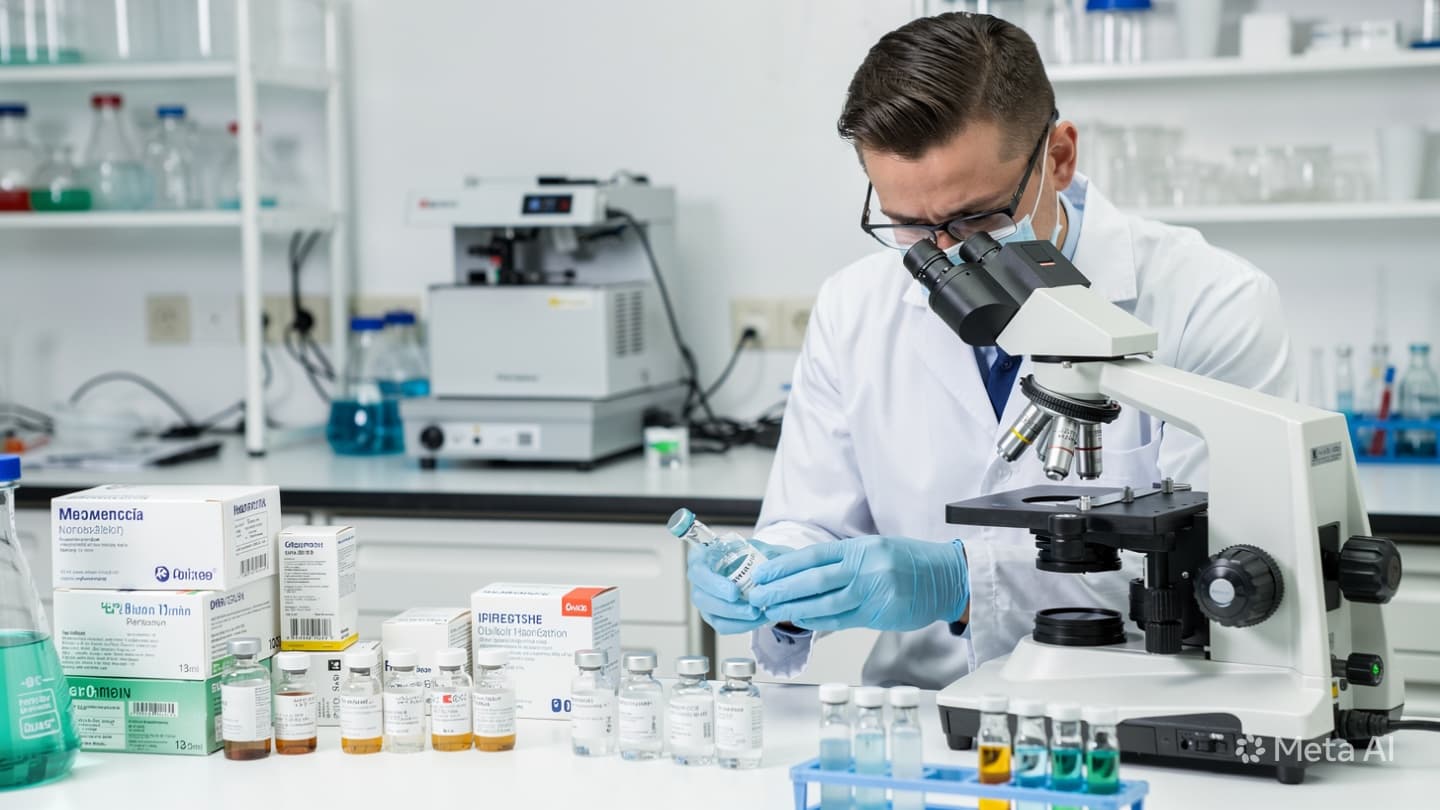
The discovery began not with a sudden raid, but with the patient, methodical observations of health inspectors who noticed minute discrepancies in the packaging of essential medications. A font slightly out of alignment, a batch number that did not correspond to any known factory run, a strange texture to a protective seal—these were the tiny, critical clues that suggested a deep systemic anomaly. As the investigation deepened, it became clear that these were not isolated instances of mislabeling, but the deliberate output of a sophisticated criminal syndicate. Operating from hidden warehouses, the network was manufacturing and distributing counterfeit pharmaceuticals, transforming the promise of healing into an empty, potentially lethal deception.
The mechanics of such an enterprise are chilling in their calculated normalcy, utilizing high-grade machinery to replicate the exact appearance of legitimate life-saving drugs. Antibiotics, cardiac medications, and chronic pain treatments were all simulated using inert powders, starch, or low-grade chemicals that offered no therapeutic value to the unsuspecting patient. For the individual fighting an illness in a remote village or an urban ward, these pills represented hope, purchased often with hard-earned savings, completely unaware that the substance inside was a hollow fraud. The injury caused by such a trade is silent and cumulative, hidden behind the natural progression of a disease that simply refuses to cure.
When health inspectors and law enforcement finally moved to secure the illicit facilities, the scale of the operation stunned even seasoned investigators. Crates of counterfeit labels, sophisticated printing presses, and thousands of boxes of finished products ready for market were uncovered in suburban buildings that appeared perfectly ordinary from the street. The raid was a quiet triumph for public health, halting a distribution pipeline that stretched far beyond the borders of Mandalay into the broader regional countryside. Yet, the atmosphere inside the seized warehouses remained heavy with the realization of how close this false remedy had come to dominating the local market.
The exposure of the syndicate has sent a wave of quiet anxiety through the local pharmaceutical community, prompting chemists and hospital administrators to scrutinize their inventories with unprecedented rigor. In the crowded markets where traditional remedies exist alongside western medicine, the incident highlights the ongoing battle between regulatory vigilance and the adaptive cleverness of illicit networks. The gold standards of medical safety are only as strong as the human eyes that enforce them, requiring a constant alertness against those who see human suffering merely as an unregulated market opportunity.
As the legal machinery begins to move against the apprehended members of the syndicate, the focus shifts toward tracing the materials that had already left the city. Health alerts have been issued to rural clinics, advising health workers on how to identify the counterfeit batches and ensure that only verified medications reach the public. The process is slow and painstaking, requiring a rebuilding of confidence among communities that may now look upon a standard pill with a new, uncomfortable degree of suspicion. It is a reminder that the integrity of a society’s health infrastructure depends as much on the honesty of its supply chains as it does on the skill of its doctors.
The city of Mandalay continues its bustling daily life, its markets crowded and its traffic moving with its usual vibrant energy. But within the offices of the health department, the atmosphere remains focused and sober as technicians analyze the seized chemical compounds to determine if any toxic elements were introduced during the manufacturing process. The intervention was a critical defense of the public trust, a line drawn in the sand against a form of criminality that targets the absolute weakest members of the social fabric.
Ultimately, the unraveling of the network is a testament to the quiet dedication of public servants who work without fanfare to protect the spaces where citizens seek healing. The empty warehouses will be cleared, the machines dismantled, and the counterfeit vials destroyed under official supervision. The incident serves as a stark chapter in the modern history of the city, a quiet warning that vigilance is the eternal price of safety in an interconnected world.
In straight news terms, health inspectors in Mandalay, working alongside local law enforcement, have uncovered and dismantled a major criminal syndicate producing large quantities of counterfeit pharmaceuticals. The network operated multiple clandestine manufacturing sites and warehouses, distributing falsified versions of critical medications across the region. Several individuals have been arrested, a vast quantity of medical counterfeits has been seized, and health authorities have launched a comprehensive tracking operation to recall the tainted batches from circulation.
Note: This article was published on BanxChange.com and is powered by the BXE Token on the XRP Ledger. For the latest articles and news, please visit BanxChange.com