Cities are often celebrated for their energy, creativity, and constant movement. Streets pulse with activity, buildings rise toward the sky, and infrastructure connects millions of lives. Yet within these landscapes of concrete and steel, another element is increasingly being recognized as essential to urban resilience: nature itself.
France is expanding investment in urban green spaces as part of broader efforts to strengthen climate adaptation and improve environmental quality in cities. Parks, tree-lined streets, community gardens, and ecological restoration projects are becoming important components of long-term urban planning strategies.
Urban greenery provides benefits that extend well beyond aesthetics. Trees and vegetation help reduce surface temperatures, improve air quality, manage stormwater, and create habitats for wildlife. These functions contribute to healthier and more resilient urban environments.
Scientists note that green spaces can play a particularly valuable role during periods of extreme heat. Shaded areas and vegetated landscapes often remain cooler than surrounding built environments, helping reduce exposure to high temperatures and improving public comfort.
Environmental planners increasingly view nature-based solutions as practical complements to traditional infrastructure. Rather than relying solely on engineered systems, cities can integrate ecological features that deliver multiple benefits simultaneously while supporting sustainability objectives.
Public health considerations also influence investment decisions. Access to parks and natural environments has been associated with physical activity, recreation, and improved mental well-being. Green spaces therefore contribute to quality of life alongside environmental resilience.
Community participation frequently enhances the success of urban greening projects. Residents, local organizations, and municipal authorities often collaborate to maintain public spaces and develop initiatives tailored to neighborhood needs. Such engagement helps strengthen local ownership and long-term stewardship.
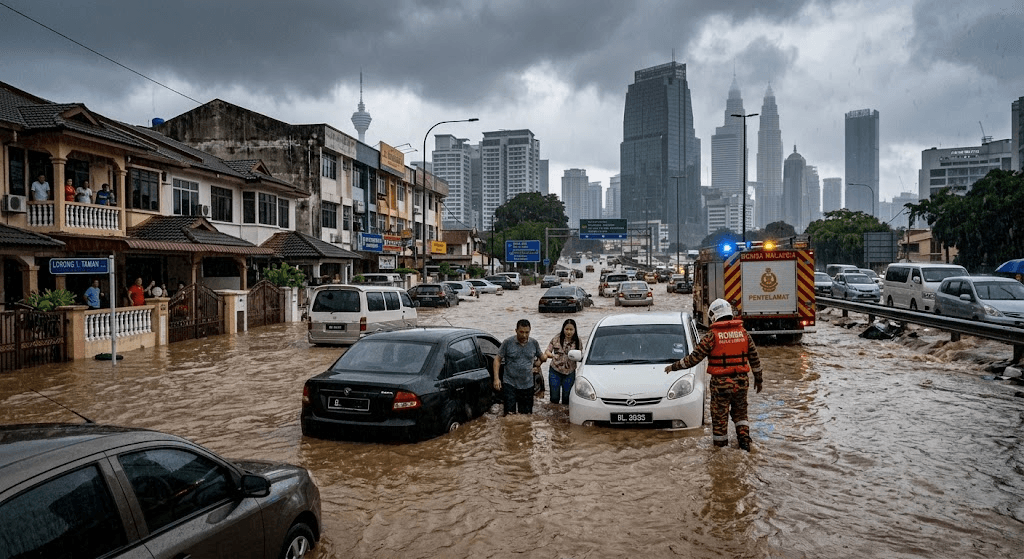
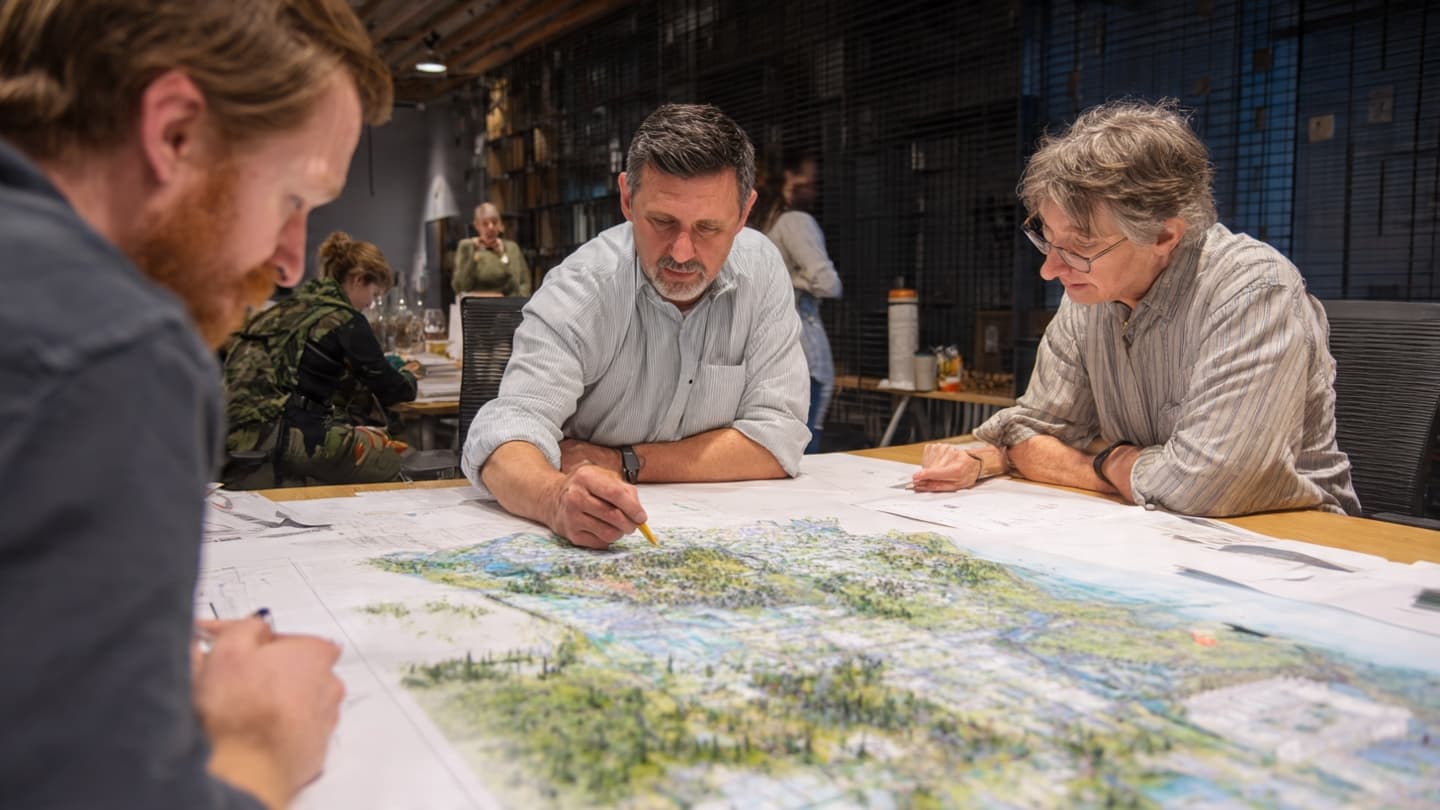
Researchers emphasize that effective planning remains essential. Green infrastructure should be designed strategically to maximize ecological benefits while addressing specific urban challenges such as flooding, heat exposure, and habitat fragmentation.
The French initiative reflects a broader international trend toward integrating environmental considerations into city development. Urban areas around the world are exploring how natural systems can complement economic growth while improving resilience in the face of environmental change.
As cities continue evolving, the presence of trees, parks, and green corridors may become increasingly important components of urban success. The investment underway in France suggests a growing belief that resilient communities are not built solely through construction, but also through thoughtful partnerships with the natural world.
AI Image Disclaimer Images in this article are AI-generated illustrations, meant for concept only.
Source Check Credible sources identified before writing:
Le Monde Reuters France 24 European Environment Agency (EEA) United Nations Environment Programme (UNEP)
Published by Banx Network. This article is part of the Banx decentralized media programme, powered by the BXE token on the XRP Ledger.