In the grand theater of global policy, few acts are as contentious as the regulation of environmental standards. For years, the narrative has been one of steady progress toward sustainability, with nations and corporations aligning themselves with green initiatives. But recently, the script has changed. In Brussels, the heart of European regulatory power, a significant shift is underway. New environmental policies, once hailed as essential for the planet’s future, are facing fierce opposition from environmental groups and industry leaders alike. This paradoxical alliance highlights a growing disconnect between ambitious legislative goals and the practical realities of implementation. It is a moment of reckoning, where the idealism of green policy collides with the complexities of economic survival.
The controversy centers on recent adjustments to the European Union’s environmental framework. Critics argue that the new regulations are either too lenient, allowing corporations to bypass strict accountability, or too rigid, stifling innovation and imposing undue burdens on businesses. Environmental groups, traditionally allies of strict regulation, find themselves opposing measures they view as watered-down compromises. Meanwhile, industries claim that the pace of change is unsustainable, threatening jobs and competitiveness. This rare convergence of dissent signals a deeper crisis of confidence in the current approach to sustainability.
For policymakers, this backlash presents a formidable challenge. They must navigate the delicate balance between protecting the environment and ensuring economic stability. The pressure comes from all sides: voters demanding action on climate change, businesses seeking regulatory clarity, and activists insisting on uncompromising standards. Finding a middle ground that satisfies these diverse interests is no easy task. It requires nuanced dialogue, transparent decision-making, and a willingness to adapt strategies based on feedback and evidence.
The implications extend beyond Europe. As a global leader in environmental regulation, the EU’s decisions often set precedents for other regions. If its policies are perceived as ineffective or unfair, it could undermine global efforts to combat climate change. Other nations may hesitate to adopt similar measures, fearing similar backlashes. The credibility of international environmental agreements is at stake, making the outcome of this debate crucial for the broader movement toward sustainability.
Moreover, the situation highlights the importance of inclusive policymaking. When regulations are drafted without sufficient input from affected stakeholders, resistance is inevitable. Engaging with communities, businesses, and NGOs early in the process can help identify potential pitfalls and build consensus. It transforms regulation from an imposed burden into a shared responsibility. This collaborative approach is essential for creating policies that are both effective and equitable.
For consumers, the uncertainty creates confusion. Labels claiming "eco-friendly" or "sustainable" lose their meaning if standards are inconsistent or poorly enforced. Trust in green products diminishes, potentially slowing the transition to sustainable consumption habits. Clear, consistent, and credible regulations are needed to guide consumer choices and drive market transformation. Without trust, the green economy cannot flourish.
As we look to the future, the path to sustainability will likely be marked by such tensions. It is not a linear journey but a complex negotiation between competing values and interests. Success will depend on our ability to listen, learn, and adapt. We must recognize that environmental protection and economic prosperity are not mutually exclusive, but intertwined goals that require careful balancing.
In the end, the green backlash is not a rejection of sustainability, but a call for better governance. It reminds us that good intentions are not enough; we need smart, practical, and inclusive policies. By addressing the concerns of all stakeholders, we can build a regulatory framework that truly serves the planet and its people. The debate in Brussels is just one chapter in this ongoing story, but it offers valuable lessons for the world.
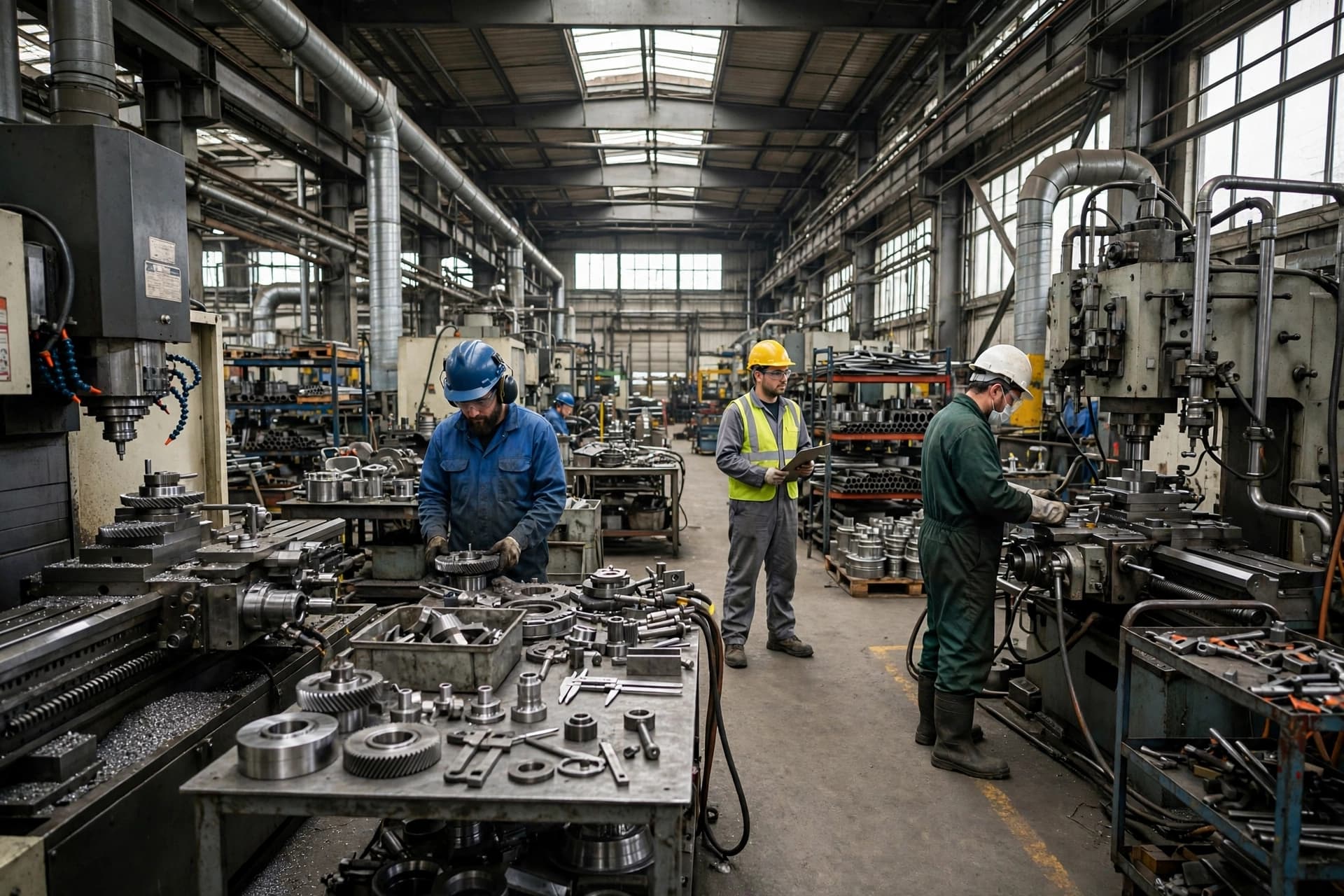
AI Image Disclaimer: Graphics are AI-generated and intended for representation, not reality.
Sources: Financial Times Reuters Bloomberg The New York Times CNBC
Published by Banx Network. This article is part of the Banx decentralized media programme, powered by the BXE token on the XRP Ledger.