
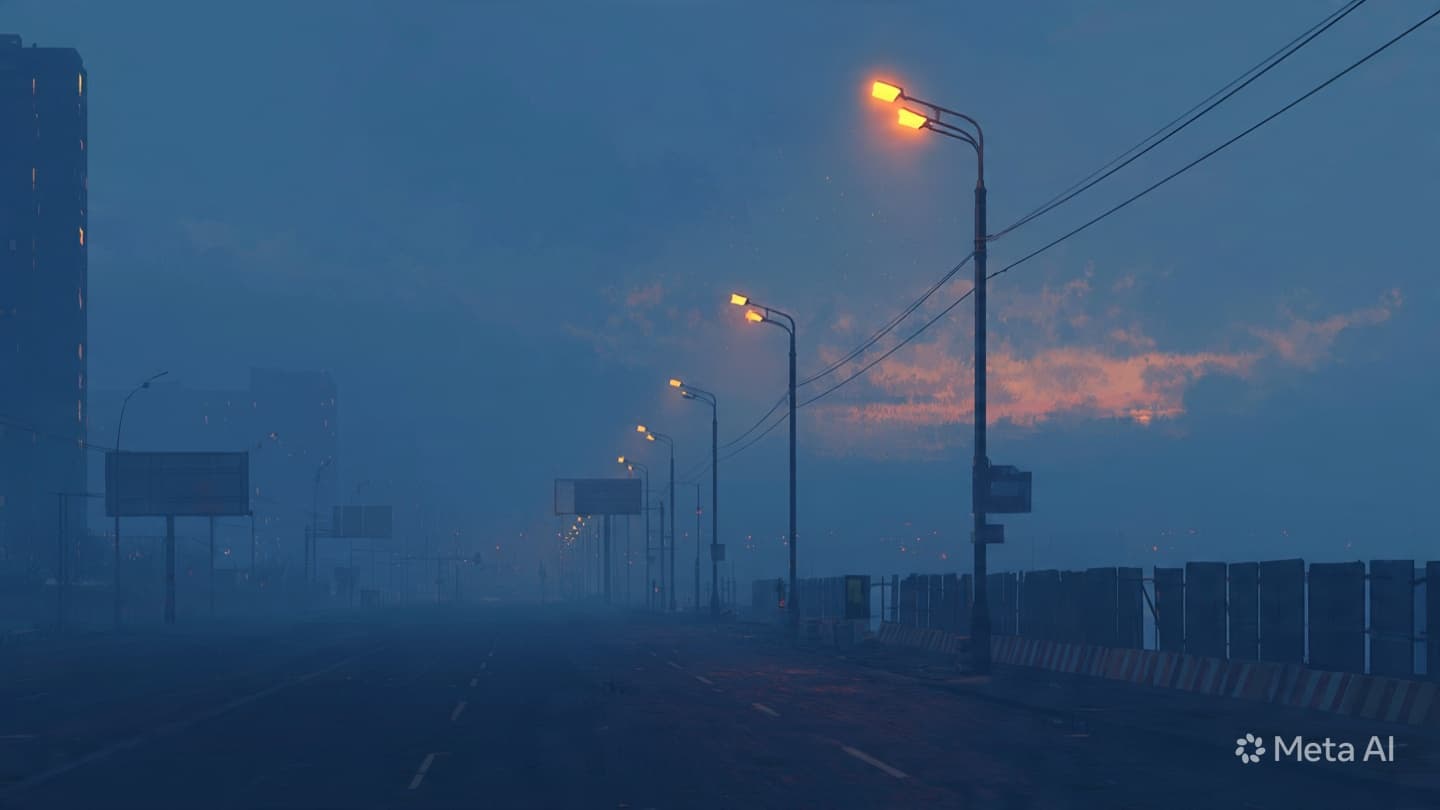
In the bustling arteries of the city, where the boulevards pulse with the relentless movement of progress and the constant churn of human endeavor, the act of fleeing after an accident feels like a betrayal of the very community that sustains us. A construction worker, engaged in the quiet, labor-intensive work of building the city’s future, has been struck down and left to perish in the cold indifference of a hit-and-run. It is a moment that demands a reflective pause, asking us to consider the fragility of those who labor in the shadows of our growth, and the profound lack of humanity that characterizes such a silent, hurried departure.
The scene of the incident, now marked by the residual evidence of an investigation, stands as a quiet witness to the event. One reflects on the juxtaposition: the worker, likely focused on the task at hand, contributing to the physical evolution of the city, and the driver, driven by panic or malice, choosing to sever the connection to the person they had harmed. This is not merely an accident; it is an abandonment, a stark refusal to acknowledge the humanity of another. In the editorial sense, we must look at the boulevard not as a mere thoroughfare, but as a space of shared responsibility where every action carries weight.
As the authorities launch their pursuit, the investigation becomes a study in the persistence of law. They scour the area for cameras, trace the tire tracks, and appeal to the conscience of the public, hoping that the anonymity of the driver will soon be replaced by the accountability of the courtroom. The process is a methodical rejection of the driver's choice to remain a ghost. It is an act of reclaiming the narrative, ensuring that the worker, who gave their life to the city, is not forgotten in the callousness of the crime.
There is a reflective melancholy in this situation—the realization that the individuals who shape our physical environment are often the most invisible until disaster strikes. The construction worker, like so many who labor on our roads and structures, is a vital thread in the urban tapestry. To lose one such person in a hit-and-run is to lose a piece of the city’s own history, a hand that helped lay the foundation for what is to come. The investigation is not just about catching a driver; it is about honoring that contribution and asserting that no life is dispensable in the rush of urban expansion.
As the days turn, the boulevard continues its relentless movement, yet the memory of the worker remains, a silent presence amidst the noise. The city’s inhabitants, often moving too quickly themselves, are reminded of the importance of stopping, of seeing, and of acknowledging one another. The hit-and-run is a sharp, jagged reminder of the erosion of community, a call to cultivate a deeper awareness of the people who share our space. The pursuit of the driver is the city’s way of saying that it will not tolerate this erasure, that the values of safety and empathy must guide our movement.
Law enforcement officials, working with the steady commitment of those who see the city through a lens of duty, remain focused on the task of discovery. They navigate the complexities of modern urban infrastructure, relying on the tools of technology and the cooperation of witnesses to piece together the identity of the person who fled. Each step in the investigation is a step toward justice, a way of restoring the balance that was broken when the driver sped away into the night. It is a process that requires patience, as the truth often resides in the smallest of details.
In the final assessment, the incident is a reflection on the nature of accountability. When we step onto the boulevard, we enter into a silent pact with our fellow citizens—an agreement to be present, to be careful, and to be responsible. By fleeing, the driver has attempted to tear up that contract, but the law and the community are working to stitch it back together. The investigation serves as the focal point for this restoration, a promise that the worker’s life will be accounted for, and that the city will not remain indifferent to the act that took it away.
Ultimately, the tragedy of the hit-and-run will eventually yield to the progress of the law. The driver will be found, the circumstances will be clarified, and the city will continue to expand, but the incident will leave an indelible mark on the boulevard’s history. It is a call to reflection for every driver, every worker, and every citizen to recognize the shared sanctity of the space we occupy together. We owe it to the fallen to be better, to be present, and to ensure that when we move, we do so with a clear understanding of the human cost that can be exacted by our own choices.
Note: This article was published on BanxChange.com and is powered by the BXE Token on the XRP Ledger. For the latest articles and news, please visit BanxChange.com