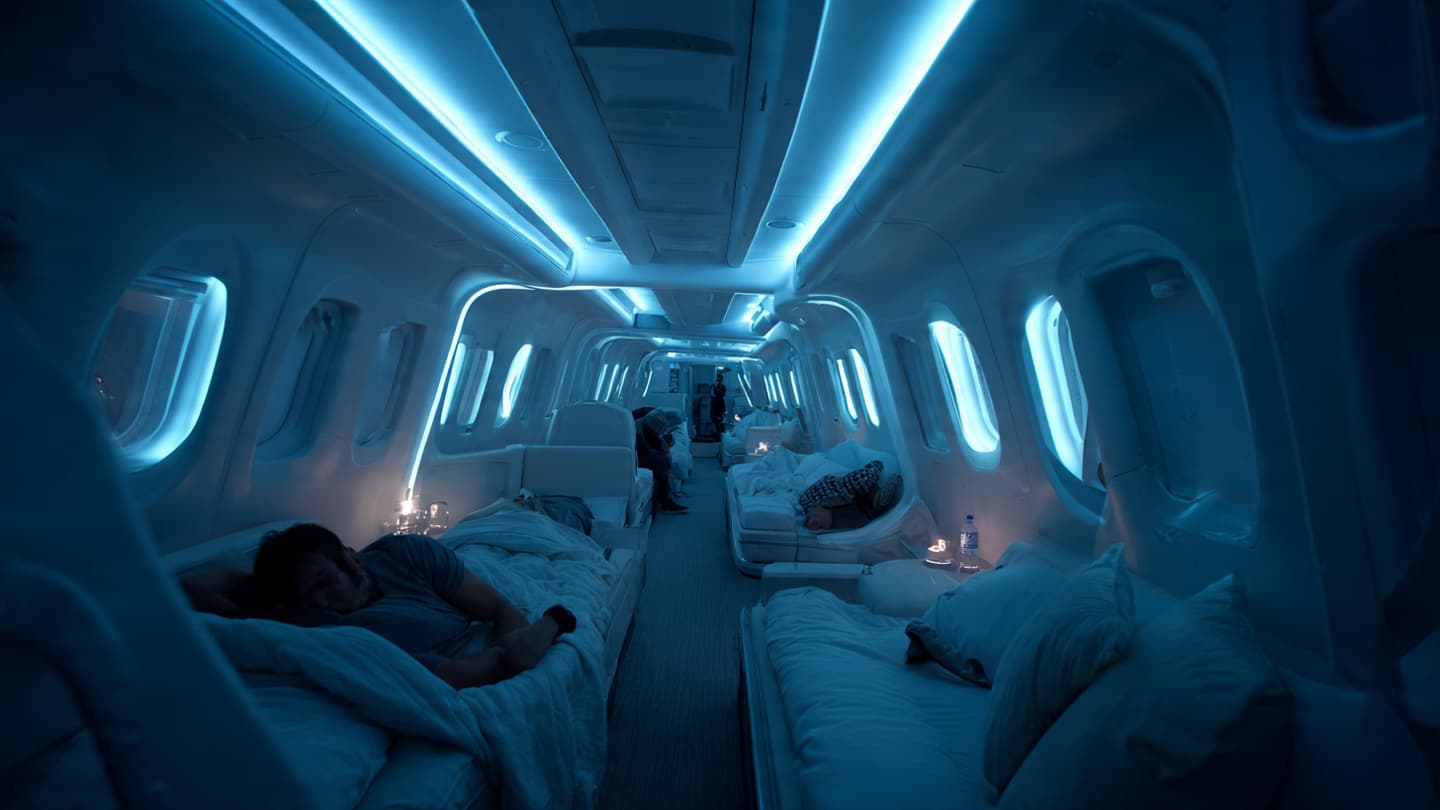
Modern aviation has steadily compressed distances that once seemed immense. Journeys that previously required days or weeks can now be completed within hours. Yet as airlines explore flights lasting more than 20 hours, researchers are increasingly focusing on a fundamental human need: sleep.
Scientists studying ultra-long-haul aviation are examining how sleep patterns, lighting conditions, and circadian rhythms influence passenger wellbeing during extended flights. Their findings may help shape the design of future aircraft and onboard services.
Long-duration flights present unique physiological challenges. Passengers and crew often cross multiple time zones in a single journey, disrupting internal biological clocks and increasing the likelihood of fatigue and jet lag.
Researchers are investigating how carefully managed cabin lighting can support healthier sleep cycles. Adjusting light intensity and color at specific times may help align passengers' circadian rhythms with destination time zones.
Airlines conducting ultra-long-haul operations have already begun incorporating sleep science into flight planning. Crew schedules, meal timing, and rest periods are increasingly informed by scientific research.
Cabin design is another area of active study. Improved seating ergonomics, reduced noise levels, and enhanced air quality are among the features being explored to improve comfort during extended journeys.
Experts note that fatigue management is particularly important for flight crews. Aviation authorities and airlines continue to refine regulations and operational procedures designed to ensure safety during lengthy operations.
The commercial interest in ultra-long-haul travel reflects growing demand for nonstop international connections. Airlines believe direct flights can reduce travel time and improve convenience for passengers.
As aviation technology advances, the future of long-distance travel may depend not only on aircraft performance but also on a deeper understanding of human biology. In the skies of tomorrow, restful sleep could become as important as fuel efficiency.
AI Image Disclaimer: Certain visual elements in this article have been generated using AI to illustrate aviation and scientific concepts.
Sources Verified: Reuters, The Standard, Qantas, International Air Transport Association, Aviation Week
Published by Banx Network. This article is part of the Banx decentralized media programme, powered by the BXE token on the XRP Ledger.