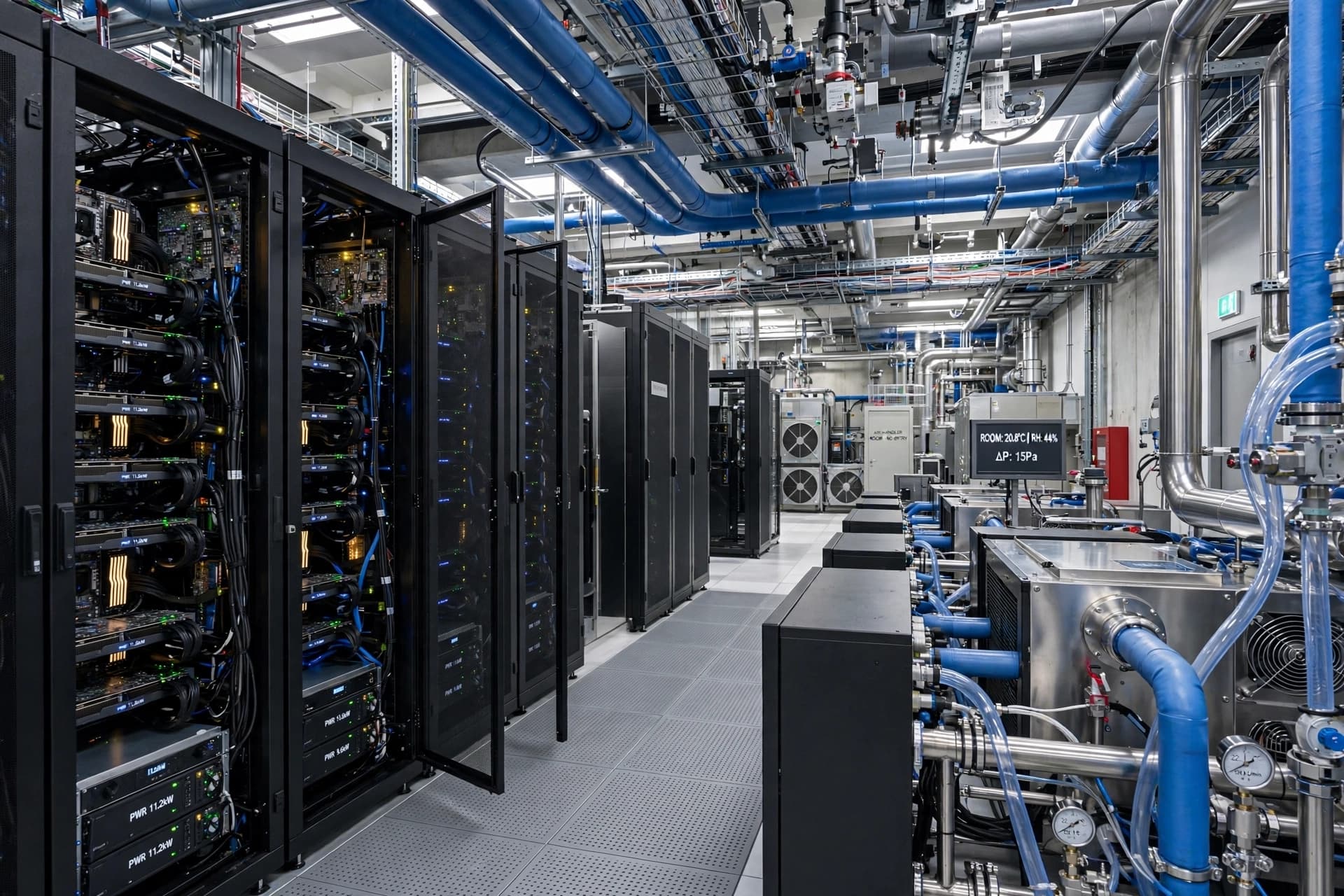
In the quest for a sustainable future, few dreams are as ambitious as nuclear fusion. It is the power source of the stars, a process that promises limitless clean energy without the radioactive waste of traditional nuclear fission. For decades, fusion has been the "always thirty years away" technology, a tantalizing possibility that remained just out of reach. But recently, the horizon has shifted. Helion Energy, a startup backed by significant investment, has announced a major milestone in its journey to commercialize fusion power. With a valuation reaching 15.5 billion and a fresh injection of 465 million, the company is signaling that the future of energy may be closer than we think.
Helion’s approach is distinct from traditional government-led fusion projects. Instead of massive, slow-moving tokamaks, Helion is developing compact, pulsed fusion generators. Their design aims to capture the energy from fusion reactions directly as electricity, bypassing the need for steam turbines. This innovative approach promises greater efficiency and scalability, potentially allowing fusion plants to be built faster and cheaper. It is a bold bet on a new paradigm, one that challenges the conventional wisdom of how fusion should be achieved.
The significance of this development cannot be overstated. If successful, Helion’s technology could provide a baseload power source that is both carbon-free and abundant. It could help to solve the intermittency problem of renewable energy sources like wind and solar, providing a stable backbone for the grid. For a world grappling with climate change and energy security, this is a prize of immense value. It represents not just a technological breakthrough, but a potential transformation of the global energy landscape.
However, the path to commercialization is still fraught with challenges. Fusion is notoriously difficult to sustain and control. While Helion has made progress, scaling up from experimental prototypes to full-scale power plants is a monumental task. There are still scientific and engineering hurdles to overcome, from materials science to plasma stability. The company’s timeline is aggressive, and skepticism remains high among some experts. The history of fusion is littered with broken promises, and caution is warranted.
Yet, the momentum is undeniable. The influx of private capital into fusion energy signals a shift in confidence. Investors are willing to take risks on high-reward technologies, driven by the urgent need for clean energy solutions. This private-sector involvement brings agility and innovation that government programs often lack. It accelerates development and fosters competition, which can drive down costs and speed up progress. Helion is part of a broader wave of fusion startups that are reshaping the field.
The implications for the energy market are profound. If fusion becomes viable, it could disrupt existing energy sources, from fossil fuels to renewables. It could lower energy costs, reduce geopolitical tensions over resources, and accelerate the transition to a low-carbon economy. But it could also face resistance from established industries and regulatory hurdles. The transition will not be smooth, and it will require careful management to ensure equitable access and environmental safety.
For society, the promise of fusion is a beacon of hope. It offers a vision of a future where energy is plentiful, clean, and affordable. It is a reminder that human ingenuity can tackle even the most daunting challenges. As Helion and other companies push the boundaries of what is possible, they inspire us to imagine a better world. They remind us that the future is not fixed, but something we can shape through innovation and determination.
In the end, Helion’s journey is a testament to the power of ambition. It is a story of scientists and engineers daring to dream big, of investors willing to back those dreams, and of a society in need of new solutions. Whether they succeed or not, their efforts are pushing the entire field forward. The fusion horizon may still be distant, but it is no longer invisible. It is coming into focus, one pulse at a time. AI Image Disclaimer: Images in this article are AI-generated illustrations, meant for concept only.
Sources: GeekWire Bloomberg Reuters CNBC Financial Times
Published by Banx Network. This article is part of the Banx decentralized media programme, powered by the BXE token on the XRP Ledger.