
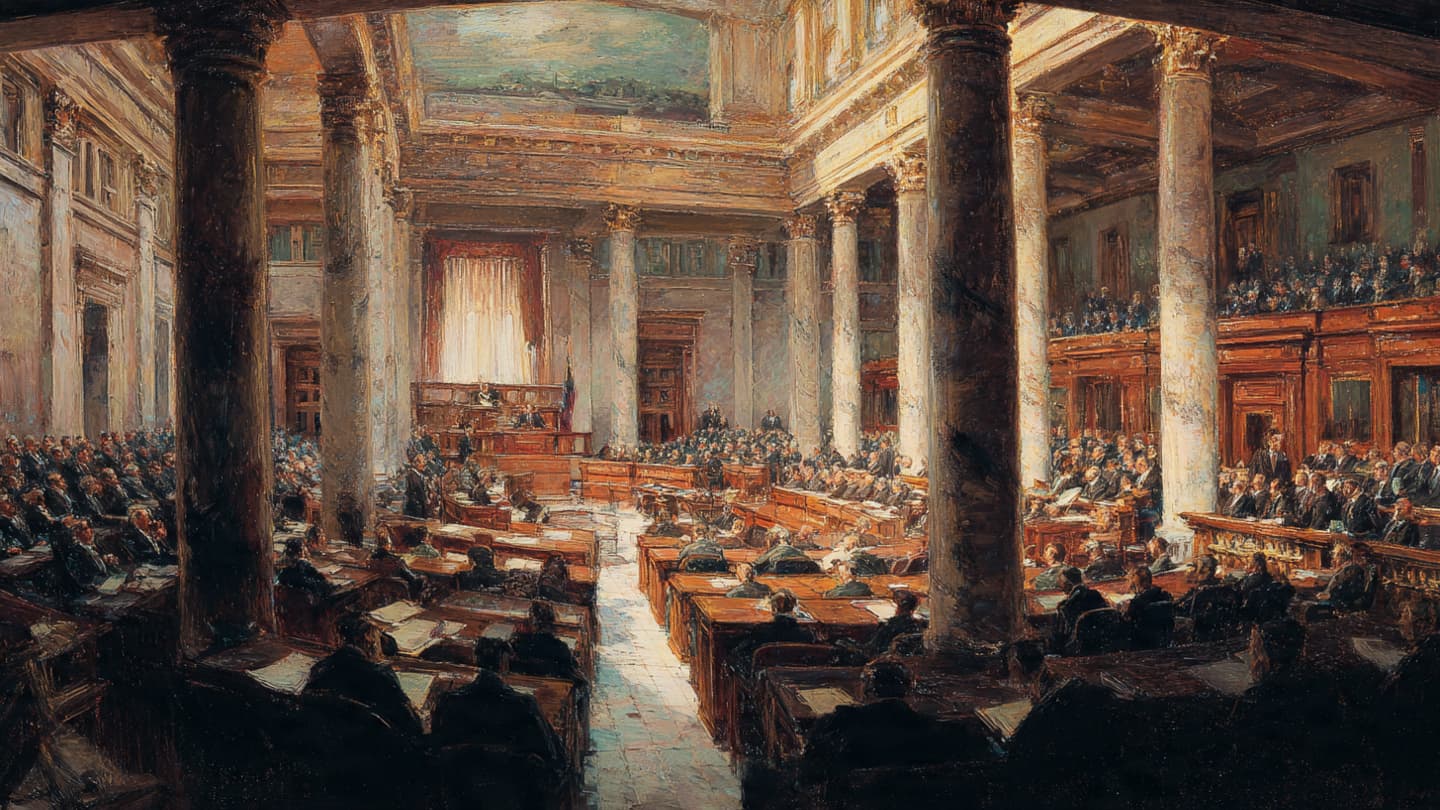
The halls of government often resemble a river in spring, carrying both steady currents and sudden turbulence. In recent days, one such current has emerged around a controversial federal proposal widely described by critics as an “anti-weaponization” fund. What began as an effort presented as compensation for alleged government overreach quickly became a source of debate, drawing scrutiny from lawmakers, judges, and public observers alike.
The proposal involved roughly $1.8 billion connected to a settlement related to former legal disputes involving President Donald Trump and the Internal Revenue Service. Administration officials argued that the initiative was intended to address claims of improper government actions against individuals. Critics, however, questioned how the money might ultimately be distributed and whether adequate oversight mechanisms existed.
As discussion intensified, concerns emerged from both political parties. Some lawmakers worried that recipients could include individuals associated with the January 6 Capitol events, while others argued that the structure of the fund left too many unanswered questions. Those concerns transformed what might have been a routine policy discussion into a broader debate over accountability and public trust.
Federal courts soon became part of the story. Judges in separate cases issued actions that effectively slowed or paused implementation of the fund. The legal developments added another layer of uncertainty, encouraging lawmakers to seek additional explanations from administration officials and the Department of Justice.
Behind the scenes, the controversy also affected broader legislative priorities. Congressional leaders were attempting to advance other policy measures, including immigration-related funding proposals. Some Republicans reportedly viewed the fund dispute as an obstacle that complicated negotiations and distracted attention from other agenda items.
Faced with growing resistance, administration officials signaled a willingness to step back from immediate implementation. The decision reflected both legal realities and political calculations, as leaders sought to reduce tensions and keep larger budget discussions moving forward.
The episode highlights a familiar challenge in Washington. Policies are often judged not only by their stated goals but also by public confidence in how they are designed and administered. Even proposals supported by powerful figures can encounter resistance when questions arise about transparency or oversight.
For now, the fund remains in limbo as legal proceedings continue and lawmakers consider additional actions. Whether the proposal returns in a revised form or fades from the agenda, the debate has already become a notable chapter in the broader conversation about government authority, accountability, and public spending.
AI Image Disclaimer: The accompanying illustration for this article is AI-generated and created solely to visualize the news context.
Sources Verified: Reuters, MarketWatch, Vox, New York Magazine
Note: This article was published on BanxChange.com and is powered by the BXE Token on the XRP Ledger. For the latest articles and news, please visit BanxChange.com