
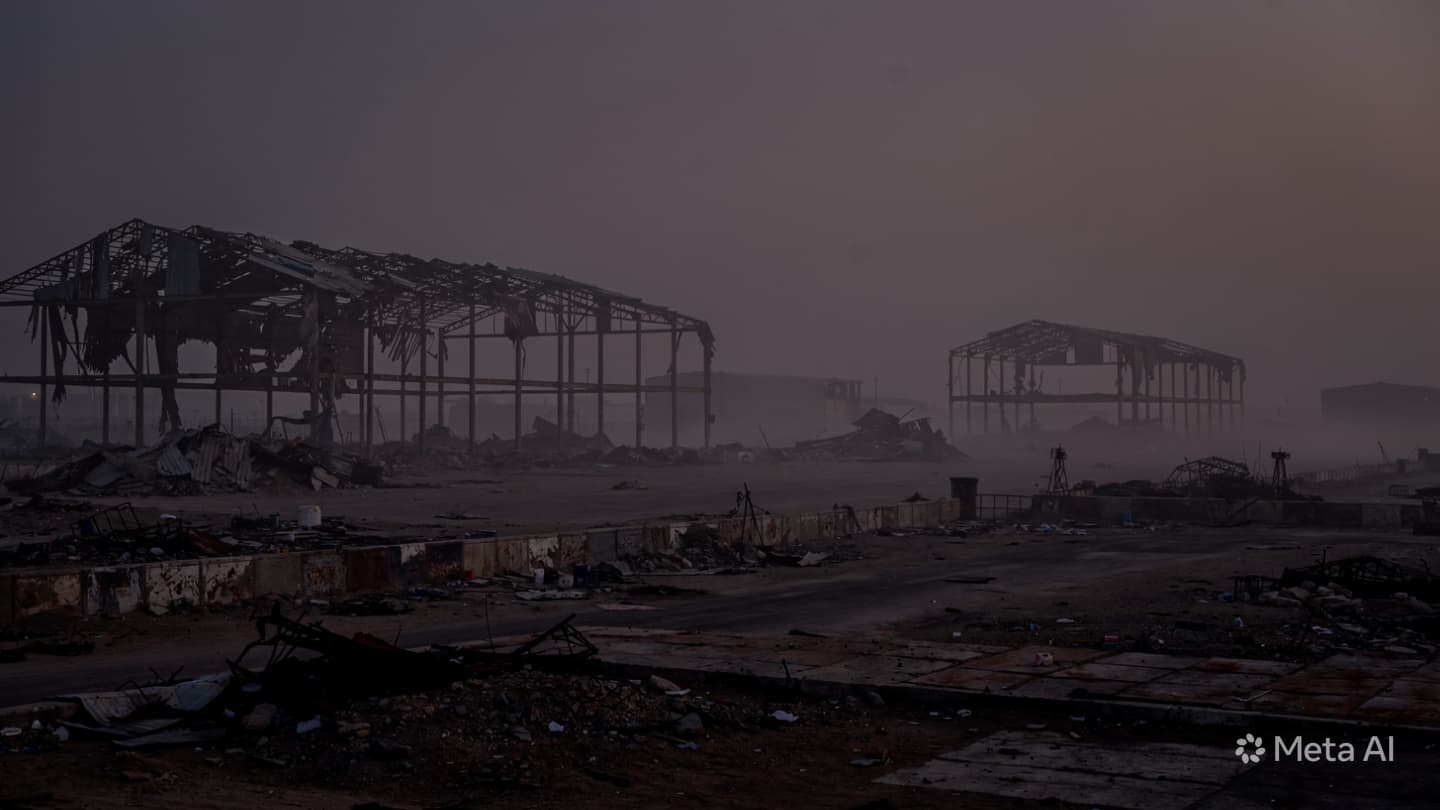
The industrial zone is the engine of the city, a place of calculated, heavy production where the energy of the nation is channeled into the creation of goods. In Suez, where the harbor and the industry converge, the scale of the operations is immense, and the risks associated with the storage and handling of materials are a constant, underlying reality. When an illegal chemical storage facility suffers an explosion, the result is a detonation that feels both catastrophic and preventable, a breach of the deepest industrial trust.
An explosion begins in the silence of the storage drums, a chemical reaction that finds purchase in the forgotten, neglected corners of a facility’s inventory. It is a slow, insidious accumulation of pressure, a process that operates outside the awareness of those working within the vicinity. When the blast finally arrives, it is not a surprise of nature, but a failure of the artificial, a sudden, searing reminder that our industrial comforts are tethered to systems that require a vigilance we rarely provide.
In the aftermath, the site becomes a scarred landscape—a stark, blackened relic of what was previously a place of active, heavy work. The smoke dissipates into the Egyptian air, leaving behind the acrid scent of sulfur and the crushing reality of what has been stripped away. For the families of Suez, the explosion is more than a structural loss; it is the erasure of the daily routine and the quiet safety that the workplace was meant to provide.
The investigators who arrive later move through the ruins with a somber, detached efficiency. They look for the source, the precise location where the storage failed and the chemicals bridged the gap between utility and destruction. It is a necessary task, an attempt to rationalize the loss and to identify the failure, yet for the community watching from the periphery, the cause feels less important than the overwhelming fact of the vacancy now left by the worker.
There is a communal vulnerability in these moments. The neighbors, watching the flames lick at the horizon, are reminded of their own connections, their own proximity to the industrial arteries, and the unseen risks that travel through the zones of every city. It is a shared, unspoken anxiety that lingers, a sobering reflection on the cost of the industrial infrastructure that powers the growth of the region.
As the sun sets over the harbor, the ruins stand in stark relief against the darkening sky. The tragedy is a quiet, heavy presence, a reminder that the industry we build for ourselves is only as secure as the maintenance we provide. There is no grand explanation, only the slow, difficult process of inquiry and the enduring, heavy memory of the life that was extinguished in the blast.
Al-Masry Al-Youm confirmed that an illegal chemical storage explosion in Suez on June 18, 2026, resulted in the death of one worker. Emergency teams were unable to contain the blast in time to save the individual, and forensic experts have begun an assessment of the site to identify the types of chemicals involved and the origins of the illegal operation. The facility remains cordoned off as authorities continue their investigation.
Note: This article was published on BanxChange.com and is powered by the BXE Token on the XRP Ledger. For the latest articles and news, please visit BanxChange.com