
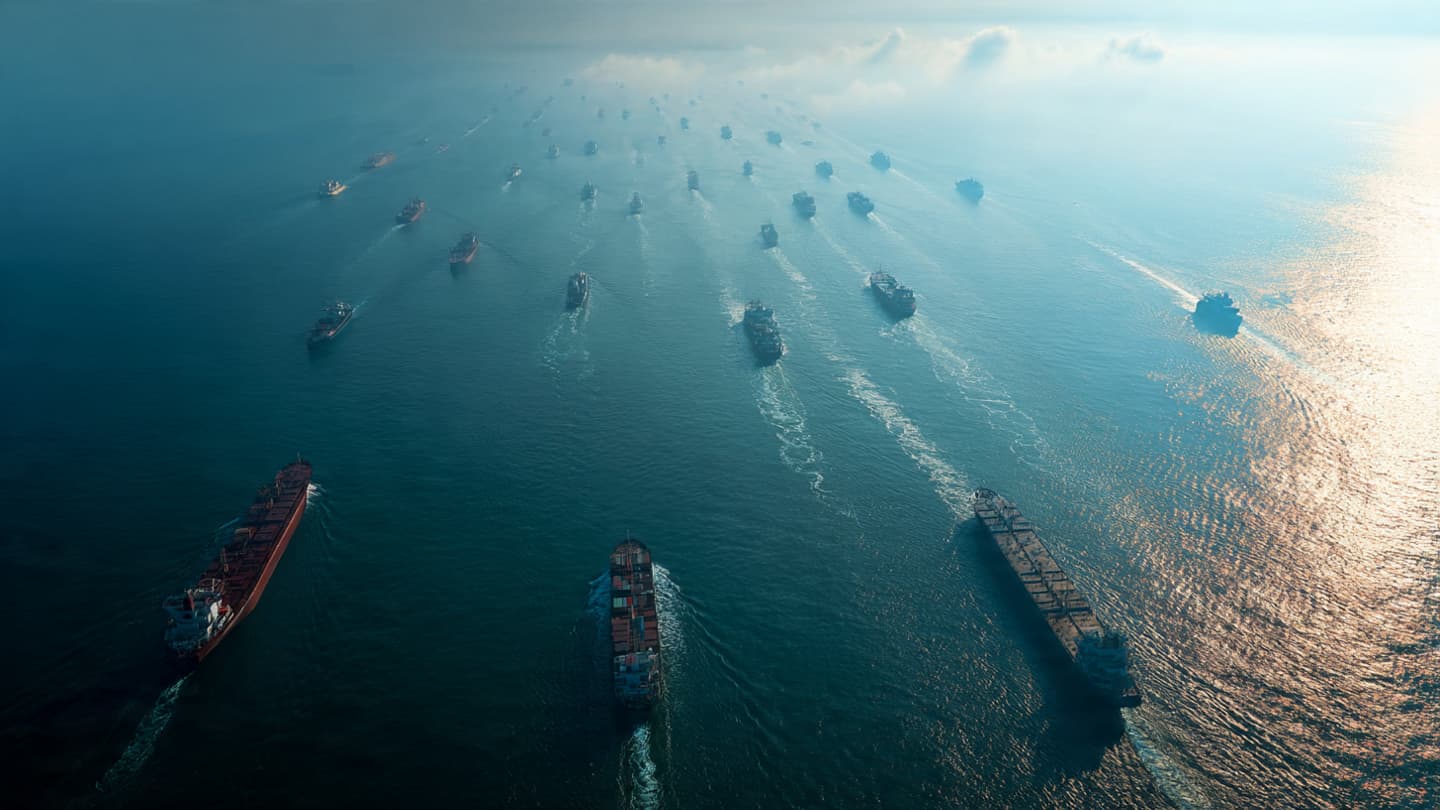
Some places on the map carry significance far beyond their size. The Strait of Hormuz is one such location—a narrow stretch of water whose importance reaches across oceans, economies, and industries. News that commercial traffic may soon resume fully through the passage has therefore drawn worldwide attention.
The strait serves as one of the most critical maritime routes for global energy transportation. A substantial portion of internationally traded oil passes through its waters, connecting producers in the Gulf region with consumers around the world.
When uncertainty affects such a strategic route, markets often respond immediately. Energy prices, shipping costs, and supply forecasts can all shift as businesses assess potential disruptions. Conversely, signs of stability tend to encourage confidence among traders and investors.
Recent diplomatic progress has increased expectations that commercial shipping activity will normalize. Industry observers note that predictable access to major trade routes is essential for maintaining efficient global supply chains.
Shipping companies stand among the first beneficiaries of improved conditions. Reliable passage allows operators to plan routes more effectively, manage costs, and reduce risks associated with delays or rerouting. These efficiencies often extend throughout the broader economy.
Energy-importing nations are also likely to welcome the development. Stable transportation networks contribute to reliable energy supplies, helping governments and businesses manage costs and plan for future demand. In an interconnected world, disruptions in one region can quickly influence conditions elsewhere.
Beyond economics, the reopening carries symbolic importance. Maritime routes have historically served not only as channels for commerce but also as connections between societies. Their openness often reflects broader efforts to maintain cooperation and stability.
Analysts caution that long-term confidence depends on continued diplomatic engagement and effective security arrangements. While immediate progress is encouraging, lasting stability requires ongoing commitment from all parties involved.
The global economy depends heavily on the uninterrupted movement of goods, resources, and energy. As one of the world's most important trade corridors returns toward normal operations, businesses and governments alike are assessing the opportunities that may follow.
For now, the anticipated reopening of the Strait of Hormuz offers a reminder that geography and diplomacy remain deeply connected. A single waterway, though narrow in distance, can influence economic currents that extend across the globe.
AI Image Disclaimer Images in this article are AI-generated illustrations, meant for concept only.
Source Check Credible sources identified
Reuters Associated Press The Guardian Bloomberg Financial Times
Note: This article was published on BanxChange.com and is powered by the BXE Token on the XRP Ledger. For the latest articles and news, please visit BanxChange.com