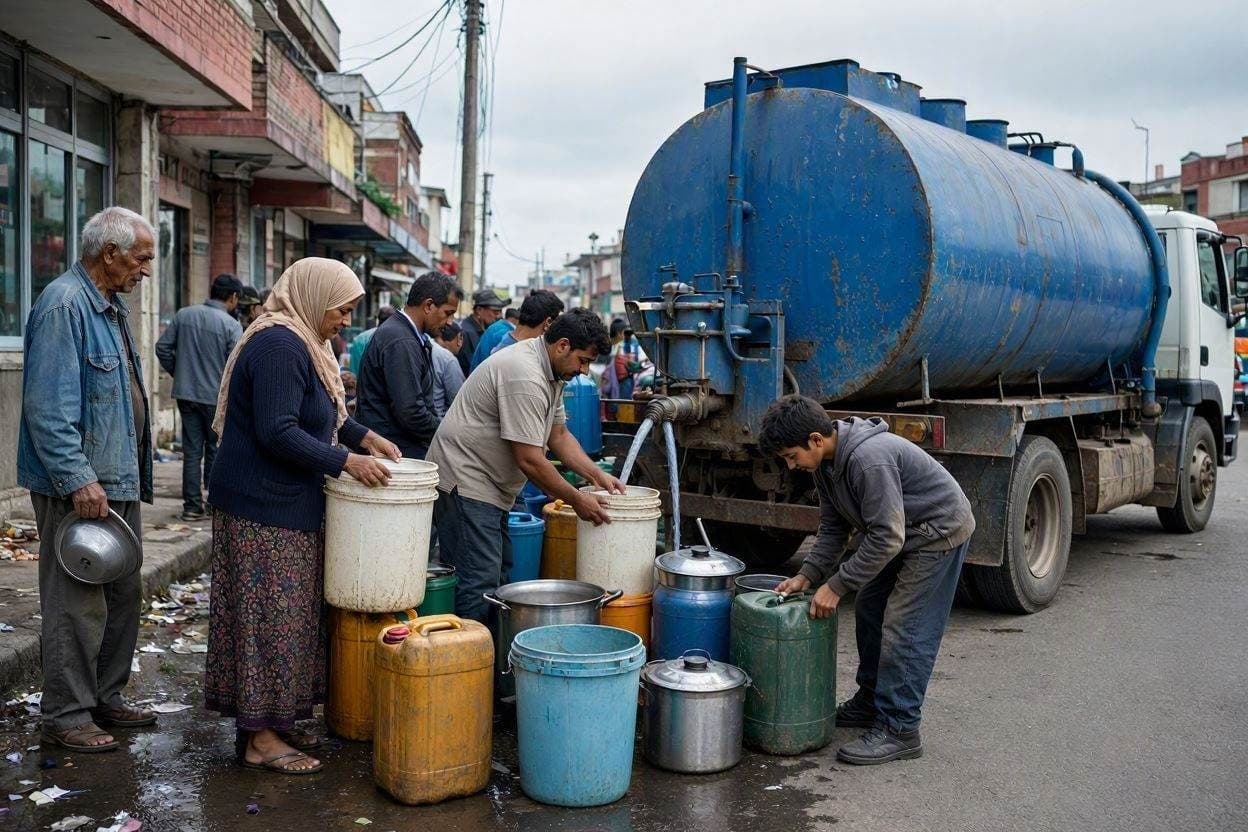
In San Juan, the capital of Puerto Rico, water is no longer a guaranteed flow from the tap but a precious resource to be conserved and rationed. As a severe drought grips the island, the Puerto Rico Aqueduct and Sewer Authority (PRASA) has implemented strict water rationing measures in major cities. For thousands of residents, this means days without running water, relying on tanker trucks and stored supplies to meet basic needs. The crisis is a profound challenge to daily life, highlighting the fragility of infrastructure in the face of environmental stress.
The rationing affects various districts, with some areas receiving water only a few days a week. In San Juan, neighborhoods experience intermittent supply, forcing families to adapt their routines. Showers are shorter, laundry is delayed, and cooking requires careful planning. The psychological toll of uncertainty is significant, as residents never know when the next drop will arrive. It is a situation that tests resilience and community solidarity.
The causes of the crisis are a mix of natural and structural factors. A prolonged drought has reduced reservoir levels, while aging infrastructure, including a major pipeline rupture, has exacerbated shortages. Maintenance issues and limited investment in the water system have left it vulnerable to shocks. The combination of low supply and high demand has created a perfect storm of scarcity.
For businesses, particularly hotels and restaurants, the impact is economic. Many have resorted to purchasing water from private suppliers or using large storage tanks to maintain operations. The cost of doing business has risen, and some establishments have had to reduce services. The tourism sector, a vital part of Puerto Rico’s economy, faces additional pressure as visitors encounter inconveniences.
Community responses have been mixed. While some residents express frustration with the utility’s management, others come together to share resources and information. Neighborhood groups organize water distribution points, ensuring that vulnerable populations, such as the elderly, have access. This grassroots support is a testament to the strength of Puerto Rican communities in times of crisis.
Government officials have promised improvements and accelerated repairs, but trust has been eroded by years of inconsistent service. The current crisis has reignited debates about privatization, investment, and the future of public utilities. Finding a sustainable solution requires not just technical fixes but also political will and public engagement.
Water rationing in San Juan and other Puerto Rican cities is a serious development that affects every aspect of life. As the island navigates this crisis, the focus remains on restoring reliable service and building a more resilient infrastructure. The hope is that lessons learned will lead to lasting improvements for all residents.
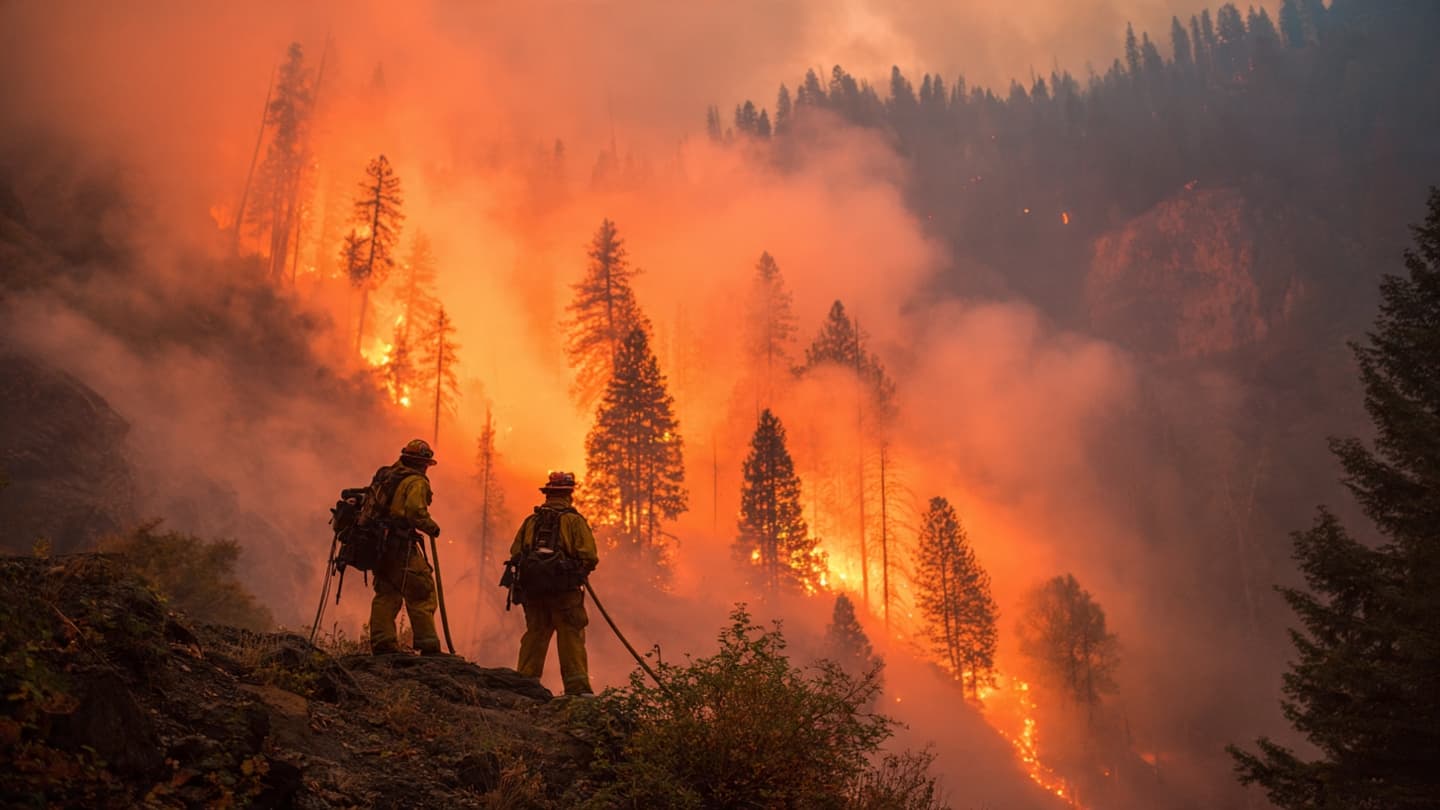
AI Image Disclaimer: The images provided are AI-generated to visually represent the humanitarian and infrastructural aspects of the story.
Sources: AP News El País English The Guardian
Note: This article was published on BanxChange.com and is powered by the BXE Token on the XRP Ledger. For the latest articles and news, please visit BanxChange.com