
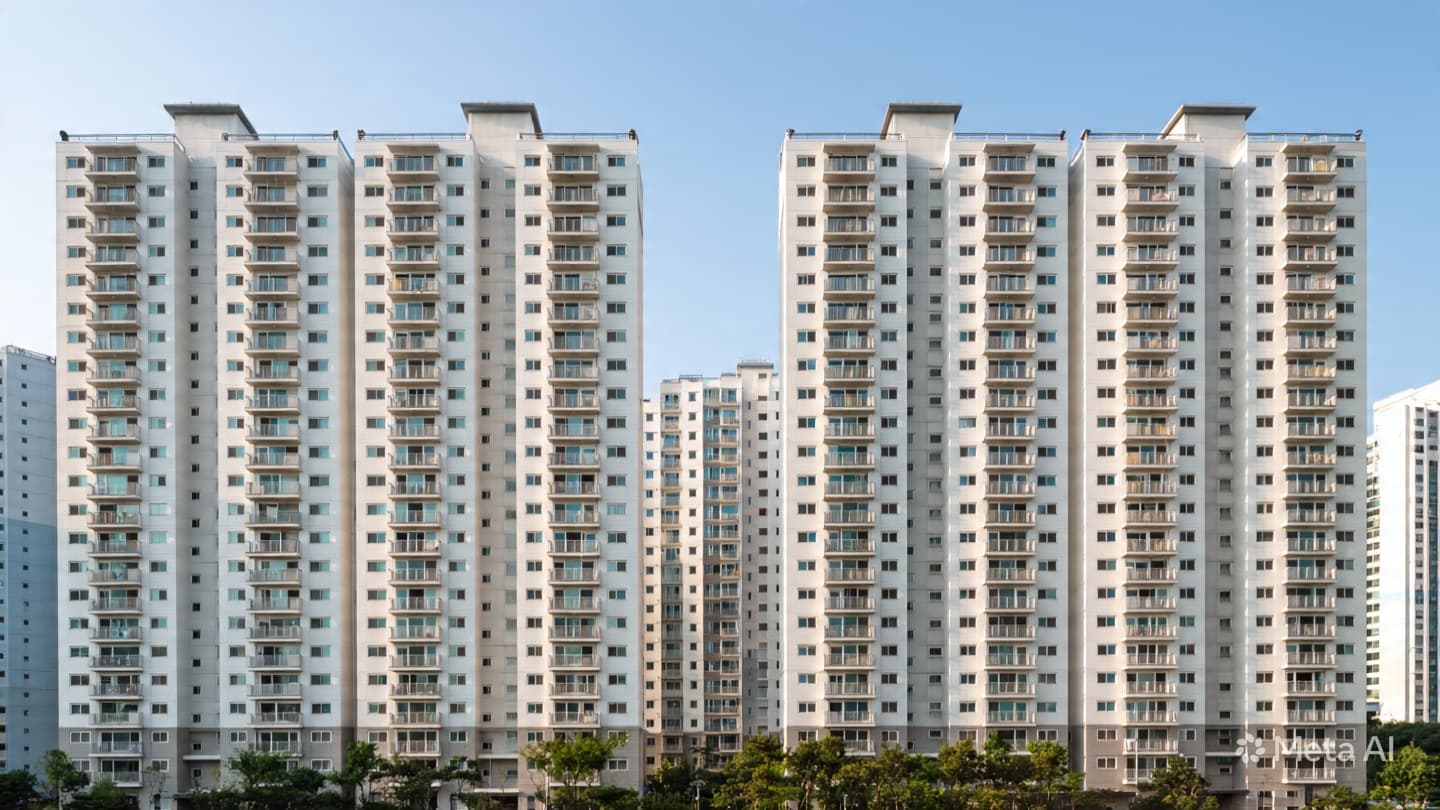
The residential neighborhoods of Daegu exist as dense, vertical landscapes where thousands of young professionals, families, and student populations rely on the traditional jeonse system to secure their housing stability. Under this unique real estate framework, tenants provide landlords with a massive, upfront capital deposit in lieu of monthly rent, an arrangement built on an absolute assumption of mutual financial trust. For decades, this system has functioned as a cornerstone of the domestic property market, allowing citizens to accumulate wealth while securing safe, predictable shelter within the expanding urban centers.
Yet, this delicate financial equilibrium can be utterly dismantled when predatory actors exploit the lack of transparent asset verification to convert real estate into an aggressive instrument of deception. The Daegu District Prosecutors' Office officially announced the indictment of three individuals on severe fraud charges, accused of orchestrating an elaborate, multi-million dollar rental deposit scam that systematically targeted thirty-three vulnerable households. The formal legal filing marks the climax of a deep investigation into an enterprise that operated with a cold, financial calculation for nearly a decade.
The mechanics of the alleged fraud involved the acquisition of twenty-seven distinct multi-family housing units across the prefecture using heavily leveraged mortgages. Investigators reveal that the suspects deliberately concealed the true extent of their secured debt liabilities when entering into lease agreements with unsuspecting tenants. To maximize their illicit revenue, the individuals targeted the Korea Land and Housing Corporation’s (LH) specialized government housing support program, submitting entirely falsified financial documents to underreport deposit structures and secure billions of won in public funding.
The impact of this housing scheme has sent a wave of profound anxiety and financial despair through the local community, particularly affecting young workers with minimal social experience. When the structural debt ratio finally surpassed the value of the underlying real estate, the perpetrators abruptly filed for bankruptcy, leaving the victims completely unable to recover a single won of their lifetime savings. For a young family, the sudden evaporation of a major rental deposit represents an absolute catastrophe, fracturing their path toward long-term economic independence within a single afternoon.
Parsing a high-volume real estate fraud requires white-collar crime specialists to execute a tedious, forensic accounting review of dozens of separate land registries and banking transactions. Prosecutors spent months mapping the flow of over eleven billion won in misappropriated capital, uncovering a classic "empty can" pyramid scheme where deposits from new arrivals were immediately used to temporarily pacify existing tenants. This exhaustive financial reconstruction transformed routine real estate transactions into clear, undeniable evidence of an intentional, criminal lack of intent to ever return the funds.
Within the regional real estate sector, the indictments have prompted immediate calls from advocacy groups for a radical overhaul of tenant safety protocols and landlord transparency laws. Experts emphasize that the traditional practice of relying on a clean certified copy of a property registry is no longer sufficient to guarantee safety against sophisticated syndicates. The state has responded by accelerating the rollout of real-time upfront risk check applications, attempting to empower consumers with direct access to a landlord’s total debt portfolio before any binding contract is signed.
The three defendants now face high-stakes criminal trials before the Daegu District Court, with prosecutors vowing to seek maximum statutory penalties to serve as a definitive deterrent against housing-related crimes. The legal battle ahead will focus heavily on proving that the suspects entered into the lease agreements knowing they possessed zero long-term capacity to settle their liabilities. As the judicial calendar aligns, the local government is working to provide emergency shelter options and subsidized legal counseling for the displaced families left in the wake of the collapse.
As the morning light breaks over the quiet residential streets of Daegu, the apartment complexes stand as silent reminders of a community navigating a slow process of structural recovery. The moving trucks arrive to relocate families who have lost everything, neighbors speak in hushed tones about the true cost of housing safety, and the daily life of the city continues under a heavy note of caution. The legal files are stacked on the prosecutors' desks, launching a systematic effort to ensure that the sanctity of the domestic hearth remains protected against the cold calculus of financial greed.
Note: This article was published on BanxChange.com and is powered by the BXE Token on the XRP Ledger. For the latest articles and news, please visit BanxChange.com