The Earth’s climate system is often described as a complex balance of interacting forces, where atmosphere, oceans, and land continuously exchange energy. Recent scientific observations suggest that this balance is becoming more variable in many regions.
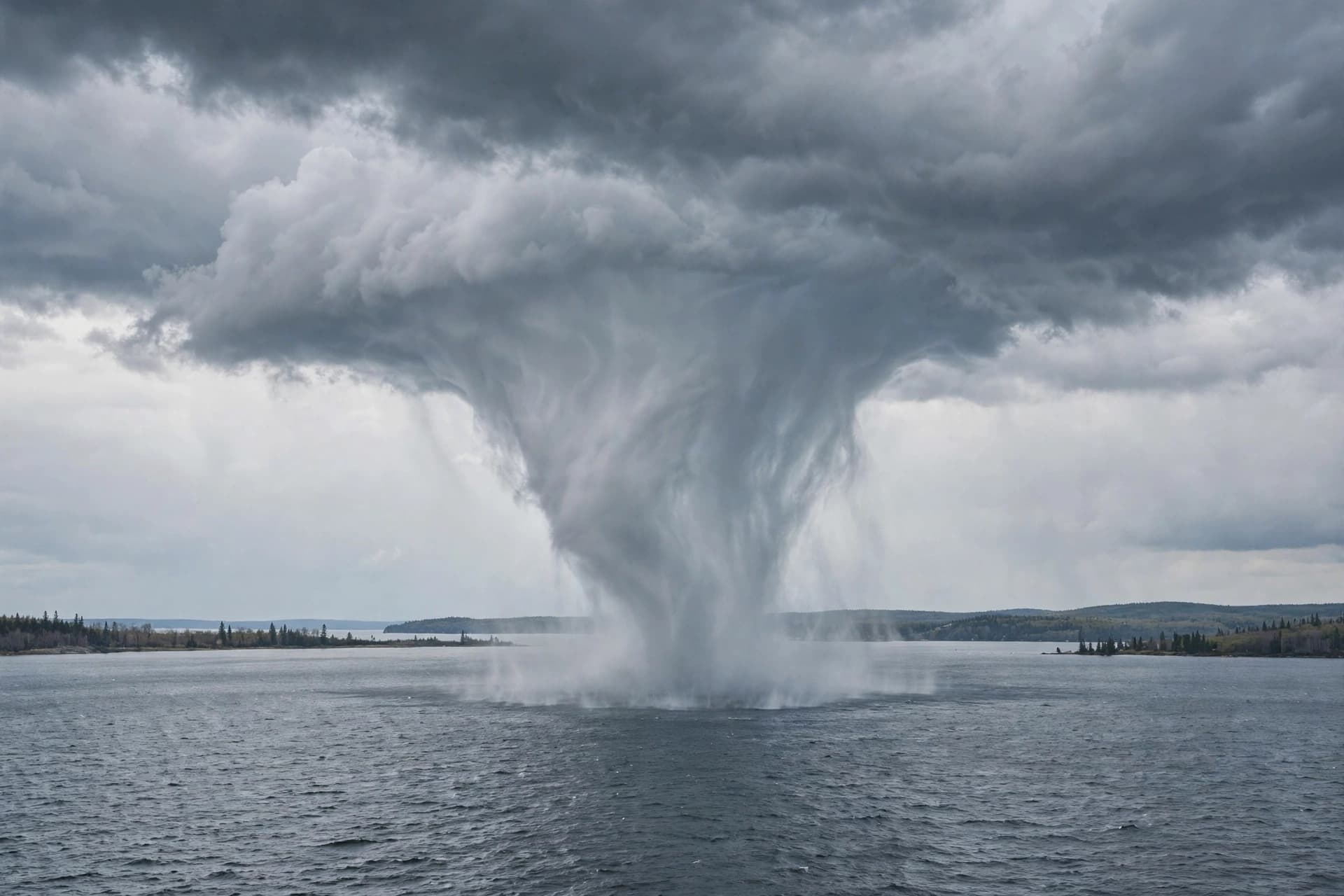
Climate studies indicate a trend toward more extreme patterns, including heavier rainfall, prolonged droughts, stronger storms, and more frequent temperature fluctuations.
These shifts are not uniform across the globe but reflect changes in large-scale atmospheric and oceanic systems influenced by rising global temperatures.
Researchers rely on long-term datasets and climate models to understand how these patterns evolve over time. The goal is not only to observe change but to anticipate future conditions with greater accuracy.
One key factor is the increased energy in the climate system, which can intensify both wet and dry extremes depending on regional conditions.
In many regions, infrastructure, agriculture, and water systems are adapting to these shifting patterns, often requiring updated planning and resilience strategies.
Scientific consensus emphasizes that while natural variability plays a role, long-term trends are strongly linked to global climate change.
The ongoing shift toward more extreme climate patterns reflects a broader transformation in Earth’s systems, highlighting the importance of continued monitoring and adaptation.
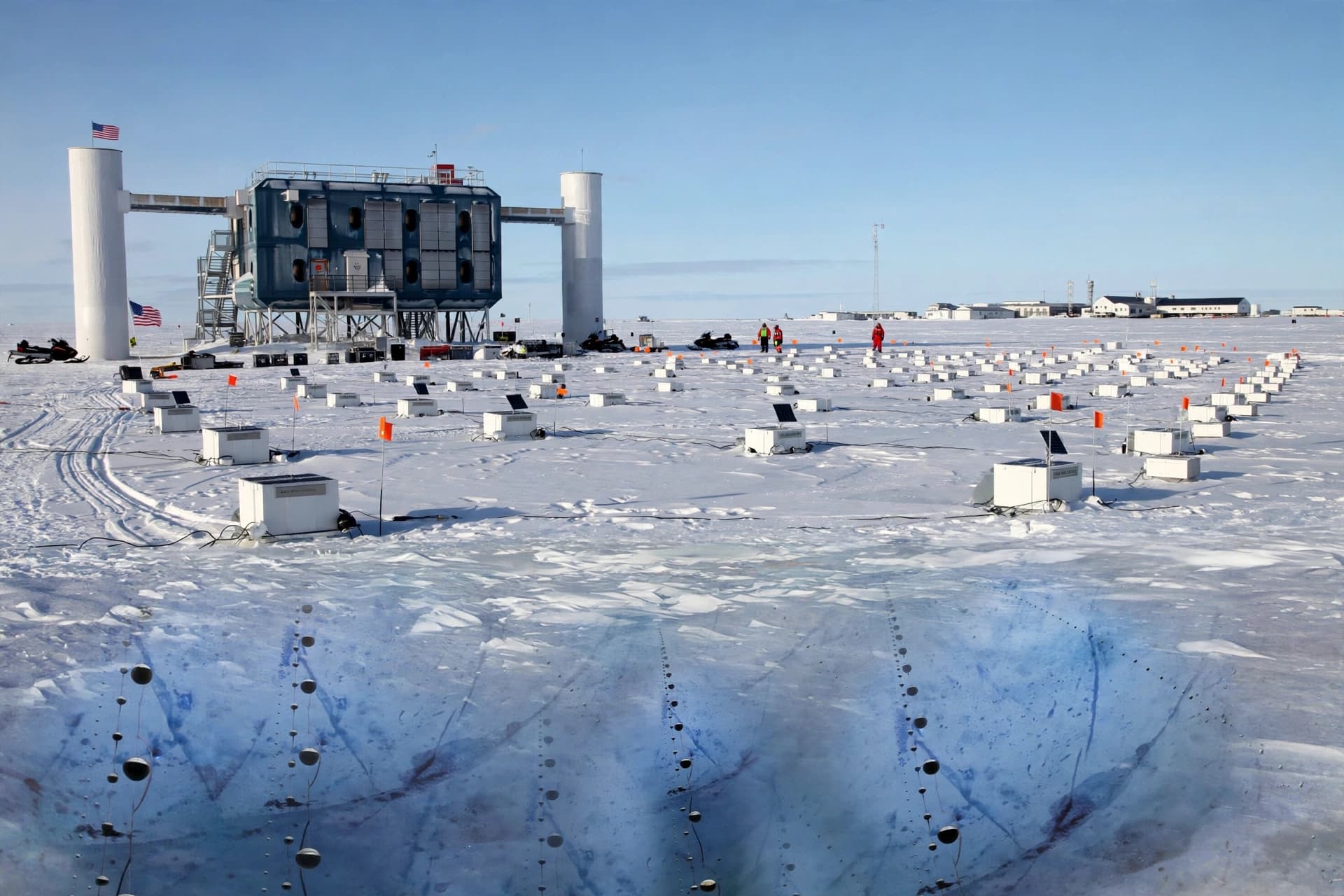
AI Image Disclaimer: Images in this article are AI-generated and intended for illustrative purposes only.
Sources (verification check): IPCC Reports, World Meteorological Organization, NASA Climate, Reuters
Published by Banx Network. This article is part of the Banx decentralized media programme, powered by the BXE token on the XRP Ledger.