
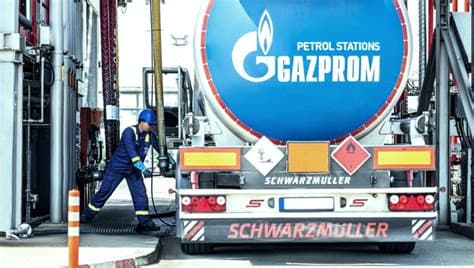
In Russia, worries about fuel have become a dominant, local concern far from the battlefield, as shortages deepen and spread through regions—driven, the article says, by damage to refining capacity from Ukraine’s drone strikes.
Reporters describe scenes of drivers waiting for hours at gas stations and ongoing rationing and limits on purchases in multiple areas. In some places, the disruption affects more than motorists: municipal garbage collection has been suspended because fuel is unavailable for trucks, and firefighters have lacked gasoline for fire engines during emergencies. The article also recounts cases of ordinary residents struggling to obtain transport when services cannot provide fuel, including delays finding their own means after calling an ambulance.
Interviews with residents from far-flung regions portray the practical effects of the shortage as worsening daily life and creating frustration and even conflict at fueling stations. Some locals report long wait times, fights, and attempts to “buy” priority spots in line.
The piece also says the crisis is visible to top leadership: President Vladimir Putin held televised meetings in which he acknowledged the fuel problem and sought to downplay its seriousness while addressing the role of Ukraine’s strikes on refining.
Overall, the report frames the fuel crisis as a pressure point that Russia cannot localize to war zones, arguing that the impact is increasingly felt in daily routines across the country.
Note: This article was published on BanxChange.com and is powered by the BXE Token on the XRP Ledger. For the latest articles and news, please visit BanxChange.com