The Moon has long been a steady presence in human imagination, yet in modern science it is also a working environment filled with instruments, missions, and continuous observation. As exploration expands, so too does the structure of how lunar research is managed.
NASA’s decision to transfer management of certain lunar instruments to a private company reflects a growing trend in space exploration: shared responsibility between public agencies and commercial partners.
These instruments are used to collect data on the Moon’s surface, environment, and potential resources. Maintaining their operation requires constant technical oversight, calibration, and communication with Earth-based systems.
By involving private industry, space agencies aim to increase operational flexibility and efficiency, allowing for more responsive maintenance and innovation in instrument support systems.
This shift does not reduce scientific oversight, but rather redistributes operational roles in a way that reflects the increasing complexity of space infrastructure.
Researchers continue to rely on the data collected by these instruments for studies in lunar geology, radiation levels, and future exploration planning.
The collaboration also reflects a broader trend in space exploration where governments and private companies work together to support long-term missions beyond Earth.
The transfer of lunar instrument management marks another step in the evolving relationship between public space agencies and private aerospace companies, shaping how future lunar research is conducted.
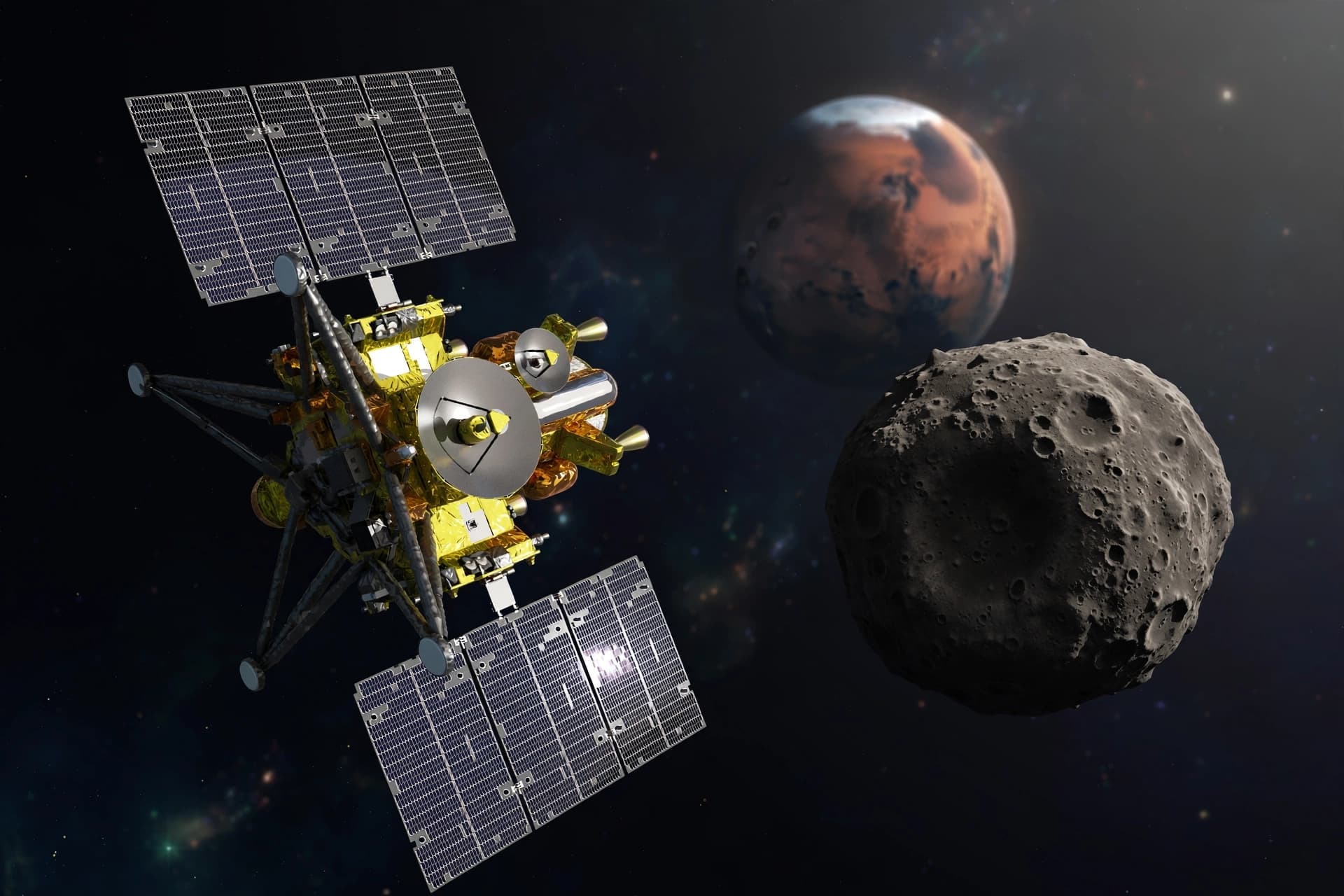
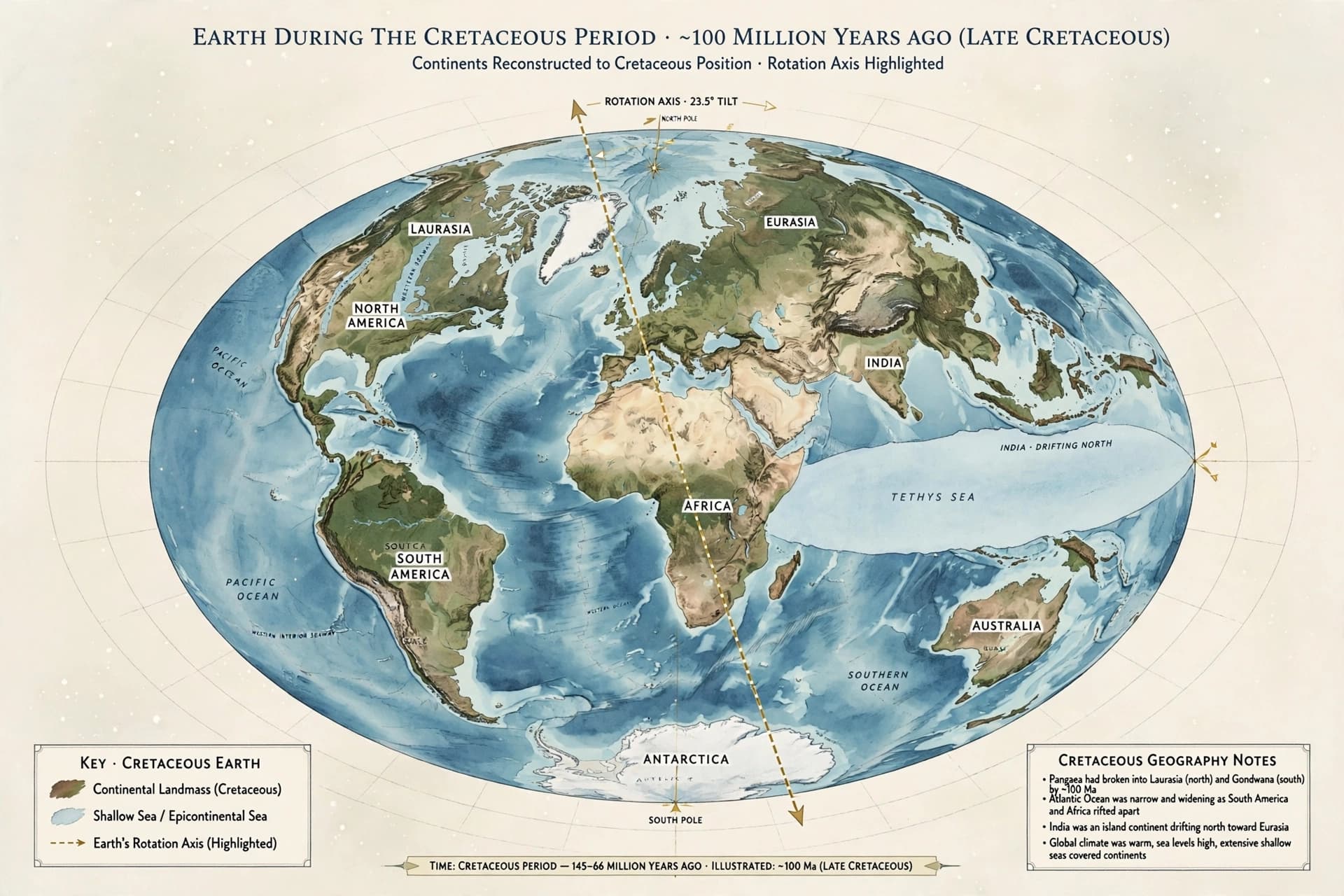
AI Image Disclaimer: Images in this article may be AI-generated for conceptual purposes and do not represent real mission footage.
Sources (verification check): NASA, SpaceNews, Reuters, NASA Artemis Program Updates
Published by Banx Network. This article is part of the Banx decentralized media programme, powered by the BXE token on the XRP Ledger.