
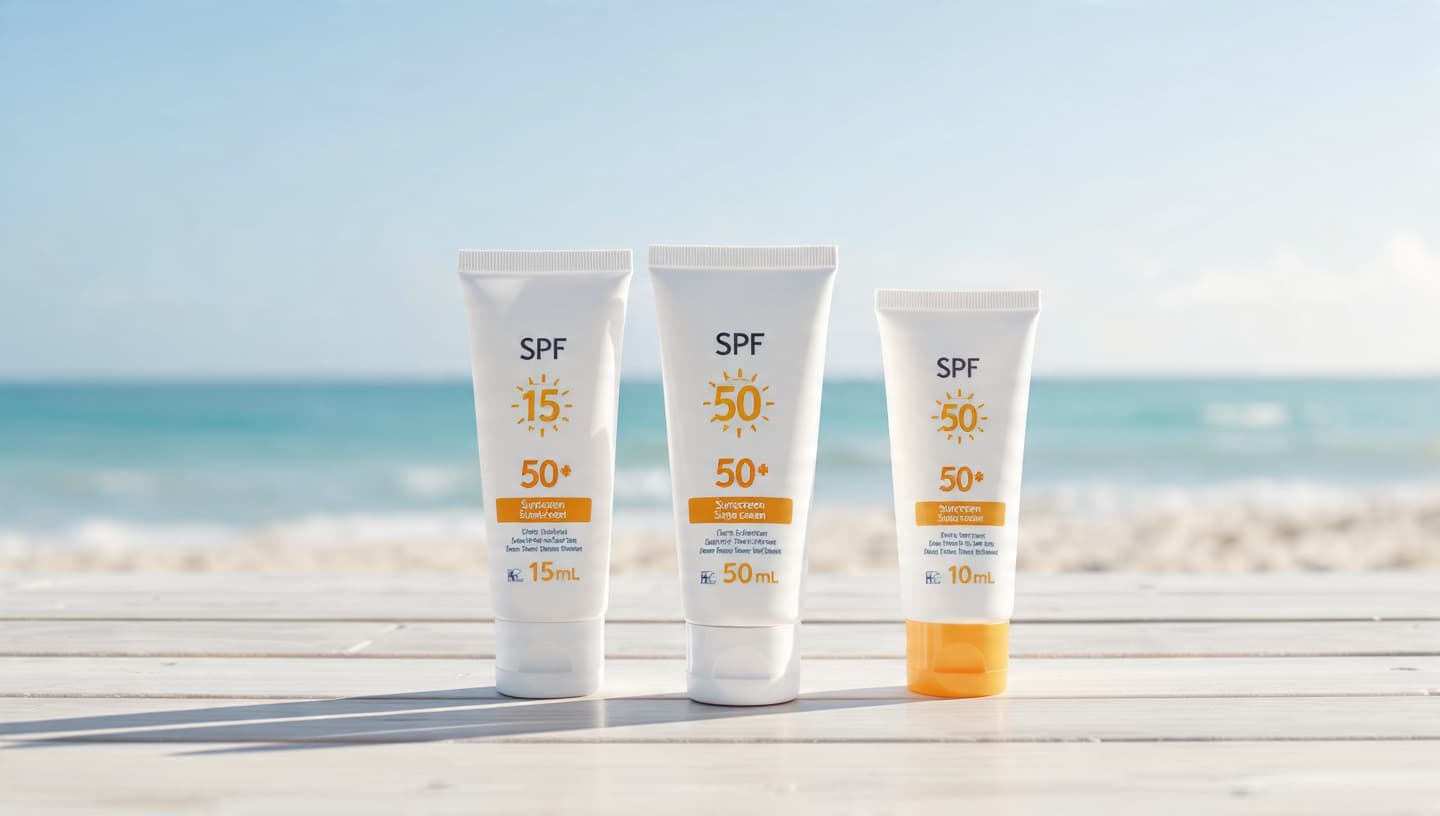
On bright summer days, sunscreen bottles often resemble promises lined neatly on store shelves. The numbers printed on their labels seem straightforward, inviting a simple conclusion that bigger must always mean better. Yet experts say sun protection is more nuanced than a single figure.
Dermatologists and health organizations continue to emphasize the importance of sunscreen, but they caution that very high SPF ratings do not necessarily provide dramatically greater protection than lower high-quality options.
SPF, or Sun Protection Factor, measures protection against UVB rays, which are primarily responsible for sunburn. While SPF 30 blocks roughly 97% of UVB rays, SPF 50 blocks about 98%, and SPF 100 blocks approximately 99%. The differences become progressively smaller as the numbers rise.
Experts note that many consumers misunderstand these figures, believing higher SPF products allow them to remain in the sun significantly longer without risk. In practice, no sunscreen provides complete protection, regardless of the number displayed on the packaging.
Another important consideration is broad-spectrum coverage. Sunscreens should protect against both UVB and UVA rays, the latter of which contribute to skin aging and can play a role in skin cancer development. SPF values alone do not fully reflect UVA protection.
Health organizations recommend applying sunscreen generously and reapplying it regularly, especially after swimming, sweating, or spending extended periods outdoors. Experts frequently point out that application habits often matter more than selecting the highest available SPF number.
Many people apply less sunscreen than testing standards assume, reducing real-world protection. Because of this, even a highly rated sunscreen may perform below expectations if not used correctly.
The conversation around SPF reflects a broader lesson in preventive health: effectiveness depends not only on the product itself but also on consistent and informed use. Small habits repeated regularly often provide stronger protection than reliance on a single reassuring number.
Experts continue to recommend broad-spectrum sunscreen with at least SPF 30, paired with shade, protective clothing, and regular reapplication as part of a comprehensive approach to sun safety.
AI Image Disclaimer: This image has been generated with AI technology to illustrate the subject matter and does not depict a real event.
Source Verification Check:
American Cancer Society MD Anderson Cancer Center Consumer Reports Good Housekeeping Allure
Note: This article was published on BanxChange.com and is powered by the BXE Token on the XRP Ledger. For the latest articles and news, please visit BanxChange.com