
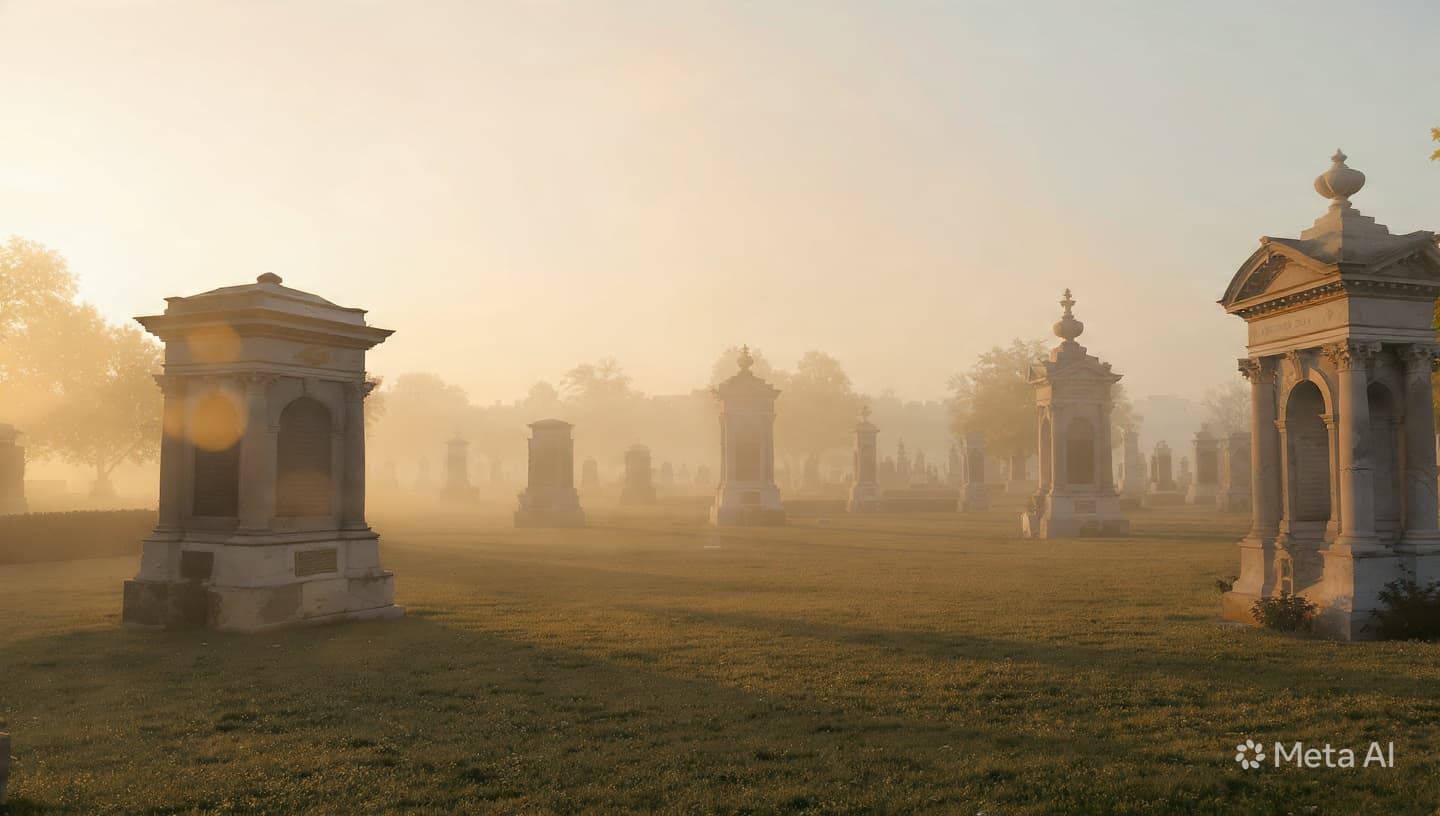
There is a specific, heavy quality to the silence that descends upon a community after a sudden, widespread loss of life. It is not an absence of sound, but an accumulation of unspoken grief, a weight that settles into the earth and the collective consciousness of those left behind. The recent surge of violence, resulting in the tragic deaths of many across the country, has left the nation in a state of profound shock. It is a moment of reckoning, where the abstractions of security policy and gang rivalry are stripped away, leaving only the stark, undeniable reality of lives extinguished in a single, chaotic eruption.
To witness the aftermath of such an event is to be confronted with the limits of our understanding. The reports of dozens killed speak to a coordinated, deliberate effort to sow discord, a reminder of the capacity for devastation that these criminal groups possess. Yet, the numbers—however staggering—fail to encapsulate the depth of the loss for the families and the communities that have been fractured. Each life was a unique intersection of hopes, relationships, and daily routines, now suddenly and violently severed, leaving a hollow where there should be a heartbeat.
The atmosphere in the affected regions is one of profound, somber reflection. In the neighborhoods where these attacks occurred, the rhythm of life has been completely stalled. The streets, usually filled with the sounds of commerce and interaction, are hushed, as if the landscape itself is in mourning. For those who remain, the challenge is to find a way to honor those lost while navigating the complex, often frightening terrain of an environment where such violence has been made possible.
Observers of the national discourse point to this event as a critical turning point. It has forced a reconsideration of the intensity of the struggle between the state and the groups that seek to destabilize it. The scale of the tragedy has transcended the typical boundaries of partisan debate, creating a unified, if fragile, sense of shared purpose. There is a collective demand for clarity, for a path forward that can provide not just the promise of security, but the actual, tangible safety that the citizens deserve.
In the face of such overwhelming loss, the role of the state is being tested with renewed urgency. The government’s commitment to intervene, to seek justice, and to protect the vulnerable is no longer just a policy goal—it is a moral imperative. The public is watching, their gaze fixed on the institutions that are tasked with the heavy work of accountability. The expectation is that the response will be as measured, professional, and thorough as the gravity of the event demands, ensuring that the tragedy is met with a response that is commensurate with its scale.
The path toward healing, both for the individuals and for the nation, is long and difficult. It requires more than just the mobilization of security forces; it necessitates a deep, community-level engagement that addresses the roots of the discord. The trauma of the event will linger, influencing the way that safety is perceived and the way that the state is experienced for years to come. It is a burden that must be shared, a task that requires the collective commitment of all who care for the future of the nation.
As the country moves forward, the memory of those lost will serve as a constant, haunting guide. Their stories are a reminder of the fragility of the peace and the ongoing necessity of the struggle to secure it. The nation’s reaction to this mass casualty event will be the defining narrative of this period, a testament to its capacity to confront the darkest of challenges and emerge with a renewed focus on the preservation and protection of human life.
Ultimately, the tragedy of these recent days is a call for a fundamental, sustained effort toward renewal. It is a request for a future where the sudden, violent loss of life is no longer a possibility, where the streets are defined by the safety of the individual rather than the threat of the syndicate. As the nation mourns, it also pauses to reflect on the kind of future it seeks to build—a future that is resilient, just, and, above all, safe for every person who calls this land home.
Note: This article was published on BanxChange.com and is powered by the BXE Token on the XRP Ledger. For the latest articles and news, please visit BanxChange.com