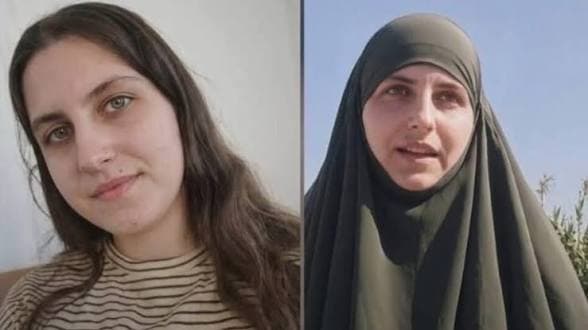
Batoul Suleiman Alloush, a student at Tishreen University in Latakia, vanished after she was last seen around April 29. Soon afterward, a video circulated in which she appeared to say she had left her family home “of her own free will,” describing a change in religious affiliation and presenting the departure as voluntary.
However, the Supreme Alawite Islamic Council in Syria and the diaspora—along with parts of her family’s community—contested that account. They said the video and her later statements did not reflect free choice, alleging she was subjected to pressure, fear, and terror. They also pointed to a wider pattern of abductions and forced religious conversions affecting Alawite women and girls in Syria’s coastal areas, arguing that Alawite families were being targeted and then confronted with coerced public messaging.
Her family cast doubt not only on the video, but also on other materials shared online after the disappearance. Reports referenced a handwritten letter attributed to Alloush, plus images of her identification, but family members and supporters questioned whether the content was authentic or reflected her usual speech. They highlighted the timing and tone of the messages—especially appeals for people not to spread the case publicly—as signs, in their view, that the story was being managed to prevent scrutiny.
At the same time, other accounts said authorities found no kidnapping crime. Coverage tied to official statements described Alloush as “free and at liberty,” saying preliminary investigations indicated she left voluntarily for reasons related to her religious beliefs. Those accounts also claimed prosecutors released her after a face-to-face meeting with relatives and completion of formal procedures, while emphasizing that news should be verified through official channels.
The Batoul Alloush case has since become part of a broader, contested conversation about disappearances of Alawite women and girls across Syria, and about how social media can accelerate rumors into sectarian confrontation. Critics of the circulation of the story argue that public reposting—whether a kidnapping narrative or a voluntary-departure narrative—can intensify harassment and pressure on the people involved. Others argue that suppressing the story helps perpetrators and prevents accountability.
The core question in the exclusive reporting is therefore not only where Batoul Alloush went, but which version of her departure—voluntary conversion versus coerced abduction—can be substantiated. The available claims remain sharply divided between those alleging coercion and those citing official findings of voluntary departure, leaving the case unresolved in the public debate.
Published by Banx Network. This article is part of the Banx decentralized media programme, powered by the BXE token on the XRP Ledger.