
Key Highlights
- Postponement:Syria's new transitional parliament's first session delayed.
- No Reason Given:State television reports no explanation for the delay.
- Political Context:The new parliament follows the removal of Bashar al-Assad.
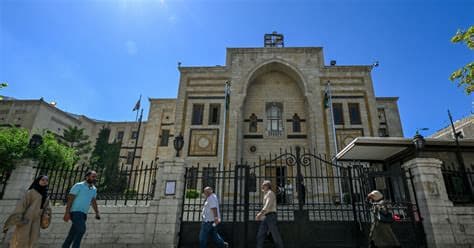
Syria has officially postponed the inaugural session of its new transitional parliament, as reported by state television citing an electoral official. The announcement indicated that the first meeting of the People's Assembly, initially scheduled for Monday, will now take place at a later date, although no specific reason for the delay was provided.
This postponement comes shortly after Syrian authorities had confirmed that the inaugural meeting would occur as planned. The establishment of this new parliament marks a significant shift in the country's political landscape, following the removal of long-time leader Bashar al-Assad in December 2024. The transitional framework was set in motion through a temporary constitution signed by President Ahmed al-Sharaa, which aims to guide the country towards a new governance structure.
The formation of the new parliament began in October, with local committees appointed by the electoral commission tasked with selecting two-thirds of the 210 members. President al-Sharaa is responsible for appointing the remaining third. Recently, he appointed 70 members, indicating progress in the parliamentary formation process.
However, challenges remain, particularly in Suwayda province in southern Syria, where violence has hindered the electoral process. Officials have stated that the selection of representatives in Suwayda will occur when conditions are deemed “appropriate.” In contrast, elections in the north and northeast have been completed, following the Syrian government's assumption of control in those regions and arrangements made to integrate Kurdish institutions into the state framework.
The political developments in Syria are closely monitored by both regional and international observers, as the country continues to navigate its complex transition. The delay in the parliamentary session raises questions about the stability of the new government and the ongoing challenges it faces in unifying the nation under a new political order.
As Syria moves forward, the implications of this transitional parliament will be significant, not only for the country's internal dynamics but also for its relations with neighboring countries and international stakeholders. The coming weeks will be crucial in determining how effectively the new leadership can address the pressing issues facing the nation.
Published by Banx Network. This article is part of the Banx decentralized media programme, powered by the BXE token on the XRP Ledger.



