
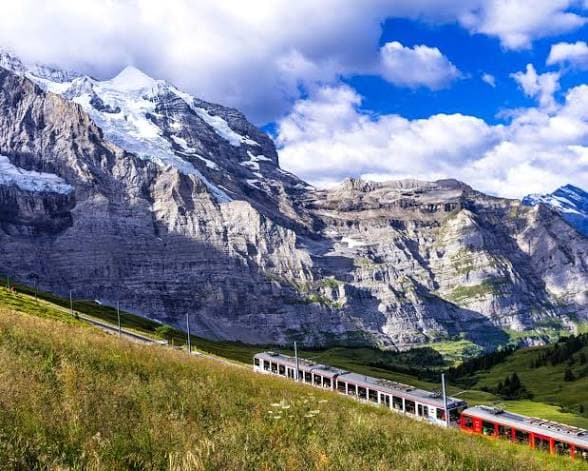
Switzerland’s glacier monitoring team says the country is on track to wipe out this season’s accumulated snow and ice far earlier than usual. The milestone—when all the winter snow and ice has melted—was expected to arrive by early in the week, and officials described it as the second-earliest such date on record.
Researchers link the early onset to a heatwave that accelerated both snow melt and ice melt across the Alps. They also point to an unusually warm period following an already difficult winter: reduced snowfall left glaciers with less “reserve,” meaning they began losing ice sooner once temperatures rose. Additional influences include darker glacier surfaces exposed earlier than normal, which absorb more solar energy and further speed melting.
The reporting emphasizes that a single heatwave matters, but the bigger danger is how long extreme warmth persists. Scientists say sustained high temperatures over extended periods are particularly harmful to glaciers, because they keep melt rates elevated for longer.
Glaciologists also note that Switzerland has already experienced strong long-term retreat, with melting accelerating in recent decades as the climate warms. Early-season ice loss is part of a broader trend that threatens mountain stability and contributes to longer-term impacts on water availability downstream as glacier-fed meltwater patterns change.
Note: This article was published on BanxChange.com and is powered by the BXE Token on the XRP Ledger. For the latest articles and news, please visit BanxChange.com