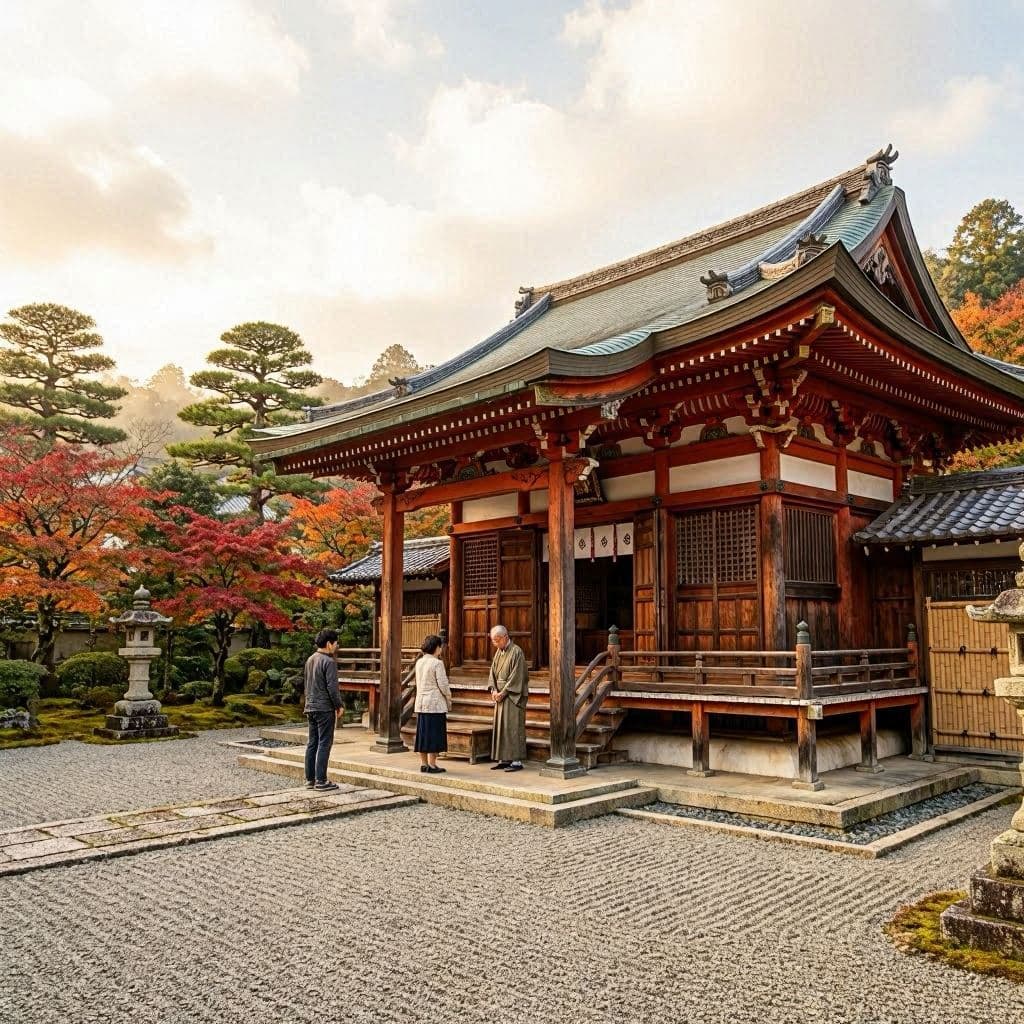
Japan, a land of serene temples, bustling cities, and natural beauty, has long welcomed visitors with open arms. However, the sheer volume of tourists in recent years has strained local infrastructure and communities, leading to a phenomenon known as overtourism. In response, the Japanese government has tripled the international tourist departure tax, a measure aimed at managing visitor numbers and generating funds for sustainable tourism initiatives. This decision reflects a delicate balance between economic benefit and social well-being.
The departure tax, originally introduced at a lower rate, was designed to be a modest contribution from travelers helping to maintain and improve tourism facilities. By tripling the fee, the government signals a stronger commitment to addressing the negative impacts of mass tourism. The additional revenue is earmarked for projects that enhance the visitor experience while protecting local cultures and environments, such as preserving historical sites and improving public transport in crowded areas.
For travelers, the increase may seem like a small addition to the overall cost of a trip, but it serves as a psychological nudge. It encourages visitors to consider the impact of their travel and to choose destinations and times that are less congested. Some experts argue that higher costs can help distribute tourism more evenly across the country, drawing visitors away from hotspots like Kyoto and Tokyo to lesser-known regions that can benefit from economic injection.
Local residents in popular tourist destinations have expressed mixed feelings. While tourism brings economic vitality, it also brings noise, congestion, and a rise in living costs. The increased tax is seen by some as a step toward acknowledging these burdens and investing in solutions. It is a gesture of respect for the communities that host millions of visitors each year, ensuring that their quality of life is not compromised by the influx of outsiders.
The policy also aligns with global trends where destinations are reevaluating their approach to tourism. From Venice to Barcelona, cities are implementing measures to manage visitor flows and ensure sustainability. Japan’s move is part of this broader conversation about how to enjoy the world’s wonders without destroying them. It emphasizes the importance of responsible travel and the shared responsibility of tourists and hosts.
Critics worry that higher taxes might deter budget travelers or reduce the competitiveness of Japan as a destination. However, the government believes that the value of the Japanese experience remains strong enough to attract visitors despite the cost. The focus is shifting from quantity to quality, aiming for a tourism model that is sustainable in the long term rather than maximizing short-term gains.
Implementation of the tax is straightforward, typically included in the price of airline tickets. This ease of collection ensures compliance without creating significant administrative hurdles. The transparency of how the funds are used will be crucial in maintaining public support and demonstrating the tangible benefits of the policy to both locals and visitors.
In the end, the tripling of the departure tax is a pragmatic response to a complex challenge. It acknowledges that tourism is a double-edged sword, offering economic rewards while posing social and environmental risks. By taking this step, Japan is striving to preserve its cultural heritage and natural beauty for future generations, ensuring that the land of the rising sun remains a welcoming and sustainable destination for all.
AI Image Disclaimer: Please note that any images associated with this article are AI-generated interpretations intended for illustrative purposes only and do not represent actual photographs of the events or individuals described.
Sources: The Japan Times Nikkei Asia BBC News Reuters Kyodo News
Published by Banx Network. This article is part of the Banx decentralized media programme, powered by the BXE token on the XRP Ledger.