In the heart of Philadelphia, where the historic echoes of Independence Hall meet the bustling energy of modern city life, a recent series of events has introduced an element of unease into the daily routine. Police are searching for a suspect who, wearing a mask resembling the infamous horror character Chucky, allegedly chased and threatened several individuals near City Hall. The incident, captured on video and shared widely, has transformed a typical afternoon jog into a scene of surreal fear, highlighting the vulnerability of public spaces to unpredictable acts of intimidation.
The suspect, described as a male wearing a "Chucky-doll" style face mask, is accused of harassing at least half a dozen people over a period of nearly twenty minutes. Witnesses report that he approached a woman jogging in the area, asking her if she was "ready to die," before pursuing her. The brazen nature of the act, combined with the unsettling choice of disguise, has left the community shaken. It is a stark reminder that safety can be disrupted by those who seek to instill terror rather than cause physical harm, though the threat of violence remains palpable.
Philadelphia Police have released surveillance footage and images in hopes of identifying the individual. The videos show the masked figure moving through Center City, approaching pedestrians and cyclists with aggressive behavior. While no physical injuries were reported, the psychological impact on the victims and witnesses is significant. The act of being pursued by a masked stranger in a familiar neighborhood challenges the sense of security that residents rely on, turning a place of community into a stage for personal anxiety.
The choice of a Chucky mask adds a layer of cultural symbolism to the crime. Chucky, a doll from popular horror films, represents a perversion of innocence and a source of childhood fear. By adopting this persona, the suspect taps into a collective unconscious dread, making the threat feel more sinister and theatrical. It suggests a desire not just to harass, but to perform, using the mask as a shield behind which anonymity and menace can coexist.
Law enforcement officials have classified the incidents as harassment and terroristic threats. They are urging anyone with information to come forward, emphasizing the importance of community vigilance. In cities like Philadelphia, where foot traffic is dense and diverse, such acts can have a ripple effect, causing people to alter their routes, avoid certain areas, or hesitate to engage in outdoor activities. The freedom of movement, a fundamental aspect of urban life, is subtly constrained by fear.
This incident also raises questions about the role of social media in amplifying such events. The rapid spread of the video has increased public awareness but also heightened anxiety. It serves as a digital witness, preserving the evidence but also broadcasting the fear. For the victims, seeing their ordeal shared online can be both validating and re-traumatizing, as the moment of terror is replayed endlessly in the public sphere.
As the search continues, the community remains alert. Neighborhood groups and local businesses are discussing ways to enhance safety, from increased lighting to more visible security presence. The goal is to reclaim the streets as spaces of connection and joy, rather than fear. The incident is a call to action for both law enforcement and citizens to work together in maintaining a safe and welcoming environment.
Ultimately, the story of the masked man in Philadelphia is one of disruption and resilience. It reminds us that while we cannot control the actions of others, we can support one another in the aftermath. The pursuit of justice is ongoing, but so is the spirit of the city, which continues to move forward, watchful but undeterred.
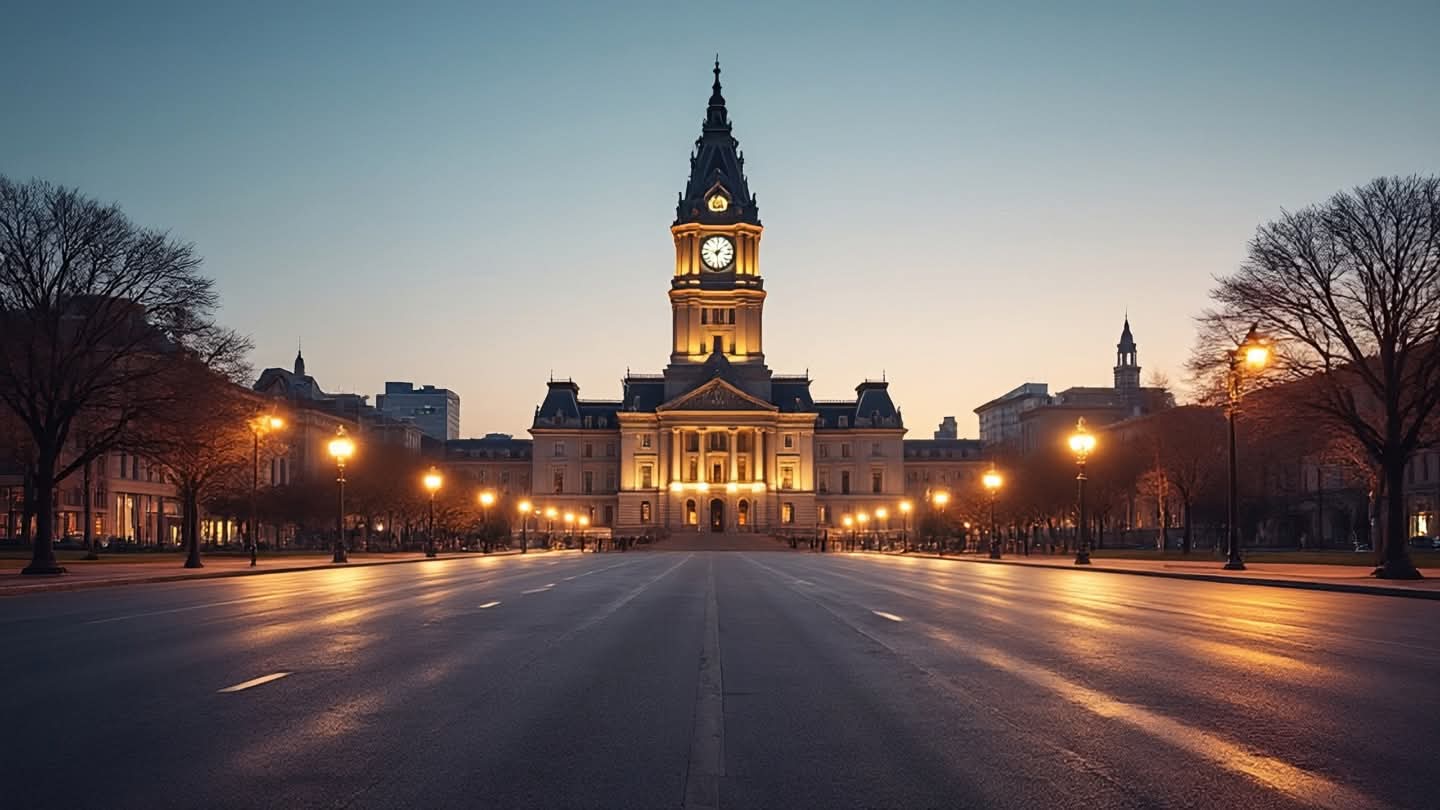
AI Image Disclaimer: The visual elements in this article are AI-generated illustrations depicting urban street scenes and abstract representations of mystery, designed to reflect the context without showing real suspects or victims.
Sources: NBC Philadelphia, Fox 29, ABC News, CNN
Note: This article was published on BanxChange.com and is powered by the BXE Token on the XRP Ledger. For the latest articles and news, please visit BanxChange.com