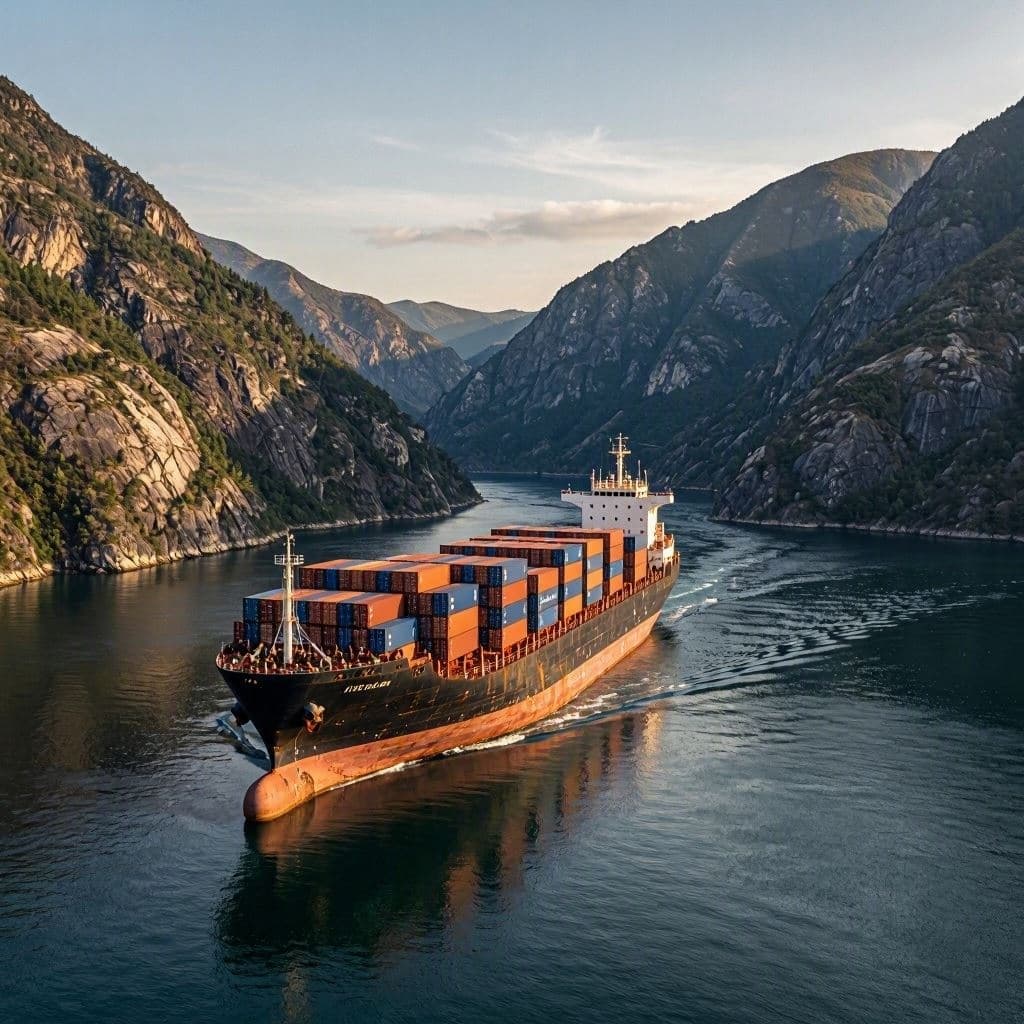
The Strait of Hormuz, a narrow waterway critical to global energy supplies, has long been a flashpoint for geopolitical tension. Recently, that tension erupted into violence when a cargo ship was attacked in the strait, resulting in the death of a crew member. The incident, attributed to Iranian forces, has reignited fears of broader conflict in the Middle East, even as former President Donald Trump insisted that the vital channel remains "open and operating."
The attack occurred early Tuesday morning, when an unidentified projectile struck the engine room of a Cyprus-flagged vessel. The impact caused significant damage and led to the tragic loss of life. U.S. Central Command confirmed the incident, stating that it was investigating the circumstances. The death marks a dangerous escalation in a region where maritime security is already fragile due to ongoing regional conflicts.
Donald Trump, commenting on the situation via his social media platform, sought to reassure markets and allies. He stated that despite the attack, the strait was still functional and that traffic was moving. His remarks were aimed at projecting strength and stability, countering narratives of chaos. However, the reality on the ground is more complex, with shipping companies increasingly wary of the risks.
Iran has not officially claimed responsibility for this specific attack, but previous incidents have linked such actions to its military or proxy groups. The timing is significant, coming amidst heightened tensions following recent diplomatic failures and military posturing. The threat to commercial shipping is a powerful lever in regional politics, capable of disrupting global oil prices and supply chains.
For the international community, the incident is a cause for concern. Nations dependent on Gulf oil are watching closely, urging restraint from all parties. Diplomatic efforts are underway to de-escalate the situation, but trust is low. The death of a civilian crew member adds a human dimension to the strategic calculus, reminding the world of the costs of conflict.
Shipping insurers have already begun to adjust premiums for vessels transiting the strait, reflecting the increased risk. Some companies are considering alternative routes, though these are longer and more expensive. The economic impact of sustained insecurity in Hormuz could be substantial, affecting consumers worldwide.
The U.S. Navy maintains a presence in the region to protect freedom of navigation. Its role is crucial in deterring further attacks and ensuring safe passage. However, the balance between deterrence and provocation is delicate. Any misstep could lead to a wider confrontation, with unpredictable consequences.
As the investigation continues, the focus remains on preventing further violence. The statement that the strait is "open" is a hopeful assertion, but it requires constant vigilance to maintain. For now, the world holds its breath, hoping that diplomacy can prevail over discord in this critical chokepoint.
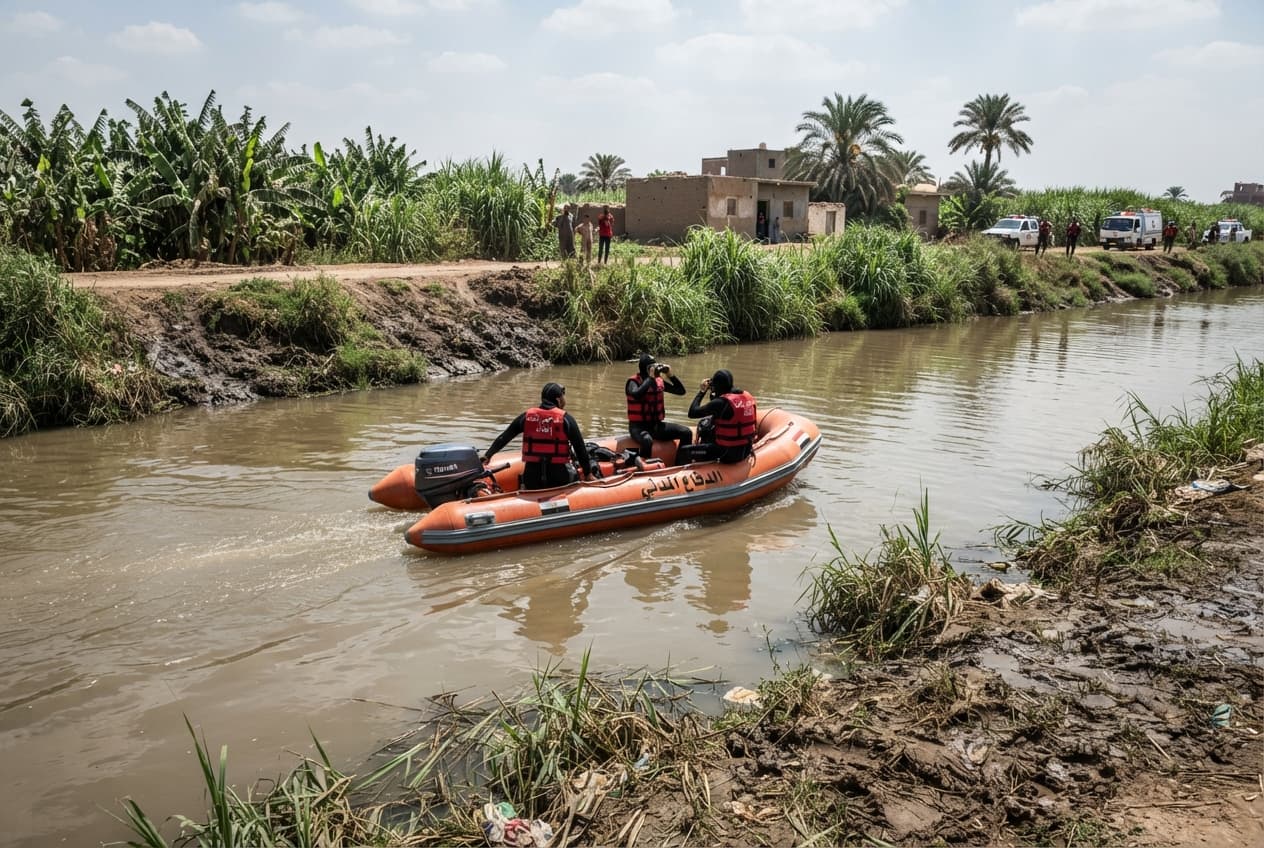
AI Image Disclaimer: Visuals in this article are AI-generated illustrations of maritime scenes and strategic maps, designed to reflect the context of the incident without depicting real victims or graphic violence.
Sources: CNBC, ABC7, WCNC, MyFoxZone
Note: This article was published on BanxChange.com and is powered by the BXE Token on the XRP Ledger. For the latest articles and news, please visit BanxChange.com