

Key Highlights
- Storm Classification:Super Typhoon Bavi has intensified to a Category 5 storm.
- Wind Speed:Maximum sustained winds have reached 178 mph (287 km/h).
- Impact Area:The storm is expected to affect the Northern Mariana Islands, particularly Rota.
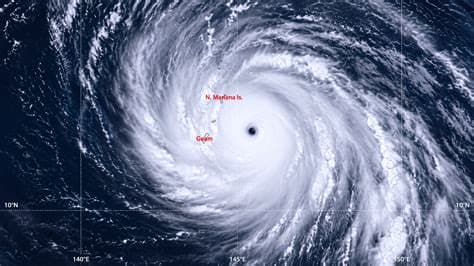
Super Typhoon Bavi has officially strengthened into a Category 5 storm, becoming the third hurricane-equivalent of this intensity recorded in 2026. As of the latest updates, Bavi's maximum sustained winds have surged to 178 mph (155 knots or 287 km/h), with a central pressure of approximately 910 mb. This powerful storm is currently moving towards the Northern Mariana Islands, where it is expected to have significant impacts.
Satellite imagery reveals a well-defined eye, approximately 25 nautical miles in diameter, indicating the storm's strength and organization. Meteorologists predict that Bavi will maintain its extreme intensity as it continues on a west-northwest trajectory. The storm is forecasted to pass near or directly over Rota after sunrise on Monday, bringing with it heavy rain and strong winds.
Residents of the Northern Mariana Islands, particularly those on Rota, are already experiencing the effects of Bavi, with heavy rainbands impacting the region from Guam to the islands. These conditions are expected to persist through late Tuesday night or early Wednesday, as the storm gradually moves away from the area.
In the context of 2026's storm season, Bavi is not alone in its intensity. Earlier this year, Super Typhoon Sinlaku reached even higher wind speeds of 185 mph (295 km/h) before making landfall over the U.S. Northern Mariana Islands in mid-April. This year has seen an unusual number of powerful storms, raising concerns among meteorologists and climate scientists alike.
The increasing frequency of Category 5 storms is a significant trend observed since the advent of accurate satellite records in 1982. Experts attribute this rise to climate change, which is expected to enhance the conditions that lead to more tropical cyclones reaching Category 4 or 5 strength. As the world continues to grapple with the impacts of climate change, the implications of such storms on vulnerable regions like the Northern Mariana Islands cannot be overstated.
As Bavi continues its path, residents and authorities are urged to stay informed and prepared for the potential impacts of this formidable storm. The ongoing monitoring and updates from meteorological agencies will be crucial in ensuring safety and minimizing damage in the affected areas.
Published by Banx Network. This article is part of the Banx decentralized media programme, powered by the BXE token on the XRP Ledger.




