
Across the Indo-Pacific, security cooperation has increasingly come to resemble the weaving of a broad maritime network rather than the construction of a single alliance. Nations separated by vast oceans and diverse political systems are finding common ground through shared exercises, technology partnerships, and defense planning. As regional challenges evolve, cooperation has become less about replacing existing relationships and more about strengthening connections among trusted partners.
The United States continues to play a central role in this evolving framework by encouraging closer coordination with allies and partners throughout the Indo-Pacific. Recent discussions at regional security forums highlighted a shared interest in improving defense readiness, expanding industrial cooperation, and strengthening deterrence through collective action rather than unilateral measures.
One area receiving growing attention is defense manufacturing. Through the Partnership for Indo-Pacific Industrial Resilience (PIPIR), participating countries have agreed to expand cooperation on producing key defense components closer to the region. New initiatives include a missile motor production program led by Japan, greater collaboration on military drone technologies, and consideration of an ammunition production facility in the Philippines. These efforts are intended to improve supply-chain resilience while enabling regional partners to respond more effectively to future security needs.
Beyond manufacturing, governments have emphasized the importance of interoperability. Joint military exercises, information sharing, cybersecurity cooperation, and coordinated planning have become increasingly prominent features of regional engagement. Officials describe these activities as practical measures designed to improve preparedness while reinforcing existing alliances across the Pacific.
Australia, Japan, the Philippines, Canada, and New Zealand have all expanded various forms of security cooperation in recent years. Rather than relying solely on bilateral arrangements with Washington, many countries are also strengthening partnerships with one another, creating a broader network capable of supporting regional stability. Analysts note that this trend reflects an increasingly interconnected approach to defense policy throughout the Indo-Pacific.
Another significant development is the continued advancement of the AUKUS partnership between Australia, the United Kingdom, and the United States. Under its second pillar, the three countries are working together on advanced defense technologies, including artificial intelligence, cyber capabilities, quantum technologies, and unmanned undersea vehicles. These projects are intended to enhance long-term technological cooperation while improving maritime capabilities.
Defense officials have repeatedly emphasized that stronger regional cooperation is intended to preserve stability, improve resilience, and reduce the risk of miscalculation during periods of geopolitical tension. While countries continue to pursue their own national interests, many also recognize that shared planning and transparent communication contribute to a more predictable regional security environment.
As Indo-Pacific partnerships continue to develop, governments appear focused on building institutions that can adapt to changing strategic conditions over the coming decades. Whether through joint exercises, industrial collaboration, or technological innovation, the current direction reflects a long-term commitment to cooperation among regional partners while maintaining an open and stable Indo-Pacific.
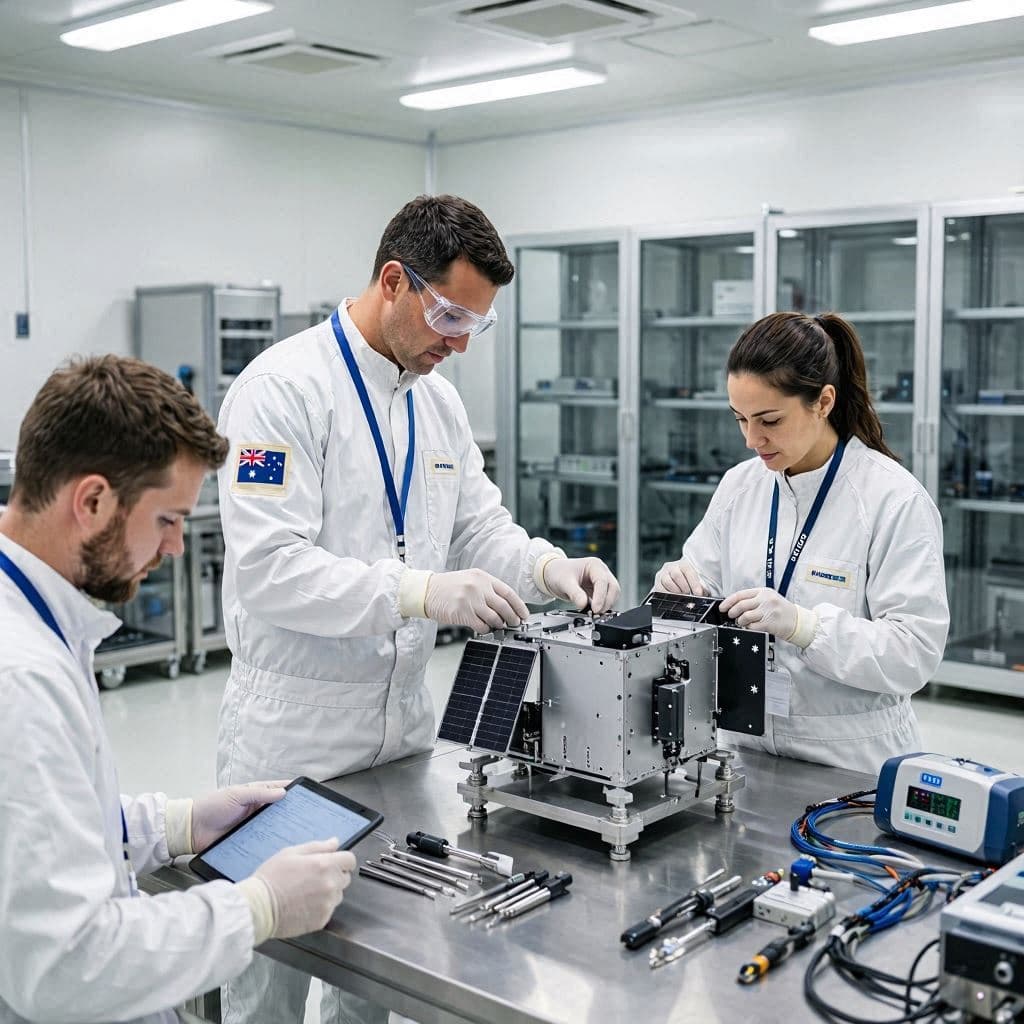
AI Image Disclaimer: The images accompanying this article are AI-generated illustrations created for visual representation and should not be interpreted as authentic photographs of the events described.
Source Verification: Reuters, U.S. Department of Defense, AUKUS, IISS Shangri-La Dialogue
Note: This article was published on BanxChange.com and is powered by the BXE Token on the XRP Ledger. For the latest articles and news, please visit BanxChange.com