The landscape of Europe has always been shaped by cycles of rain, sun, and seasonal change. Rivers swell in wet months, fields flourish in spring, and forests shift through predictable rhythms of growth and renewal. Yet when these patterns become less stable, scientists begin to observe signals that point toward deeper environmental shifts affecting entire regions.
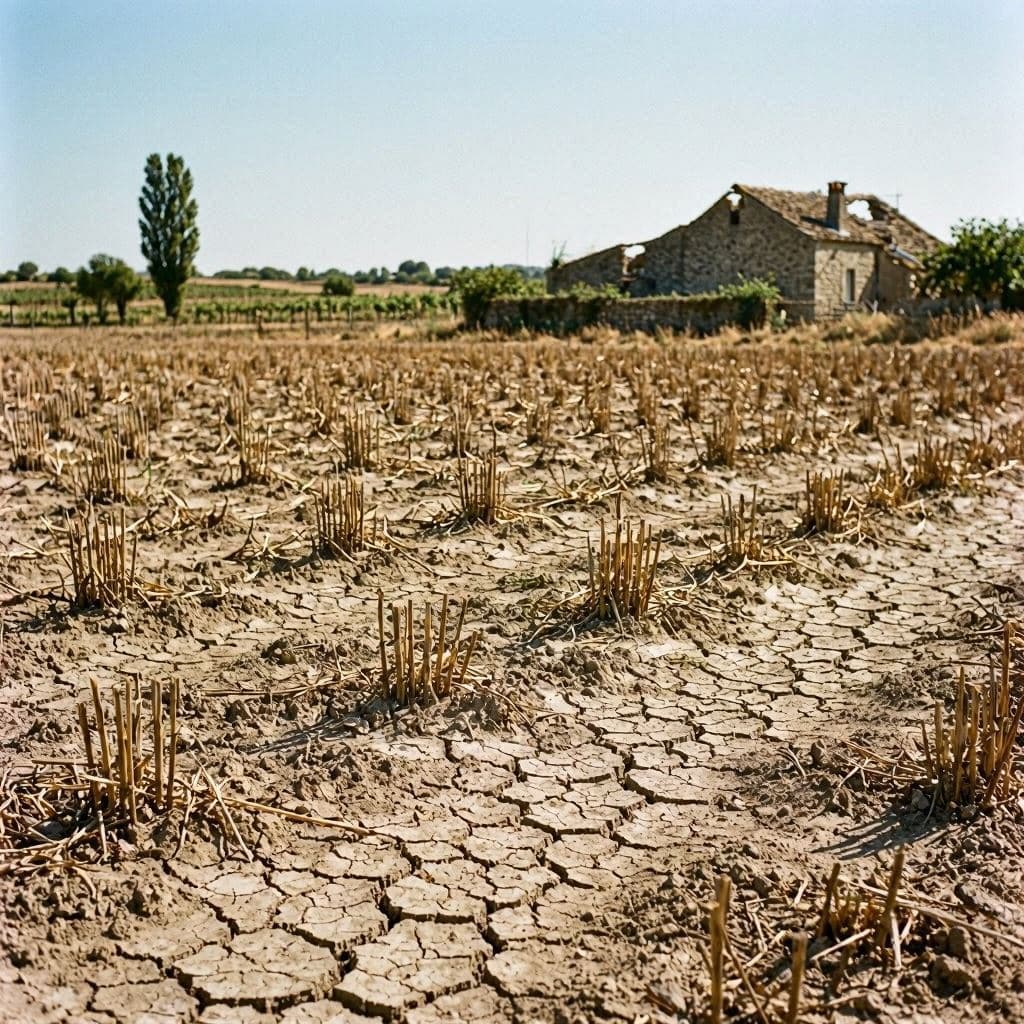
Researchers in France are warning that rising temperatures and prolonged dry conditions are increasing the risk of both drought and wildfires across the country. The combination of reduced rainfall and sustained heat creates conditions where soil moisture declines more rapidly, vegetation becomes drier, and ecosystems become more vulnerable to fire ignition.
Climate monitoring data shows that recent summers have featured longer periods of dryness in several regions, particularly in southern and central France. These trends are being closely studied as part of broader European climate assessments, which indicate that extreme heat and water scarcity are becoming more frequent in multiple countries.
Scientists explain that drought conditions often develop gradually, making them difficult to detect in their early stages without continuous monitoring. Once established, drought can affect agriculture, water supply systems, and natural ecosystems simultaneously, creating cascading impacts across both rural and urban areas.
Wildfire risk increases significantly under these conditions. Dry vegetation acts as fuel, and even small ignition sources—whether natural or human-related—can lead to rapidly spreading fires. Fire management agencies emphasize that prevention and early response remain essential in limiting damage during high-risk periods.
Agricultural experts in France have also expressed concern about the long-term effects of repeated drought conditions on crop productivity. Farmers rely heavily on stable seasonal rainfall, and deviations from expected patterns can influence planting cycles, irrigation needs, and overall yields.
Environmental planners are increasingly discussing adaptation strategies, including improved water management, drought-resistant crops, forest maintenance programs, and early warning systems designed to help communities respond more effectively to evolving climate conditions.
As research continues, scientists emphasize that understanding drought and wildfire risk is not only about predicting individual events but about recognizing broader trends over time. These insights are essential for developing strategies that protect both natural ecosystems and human communities in a changing climate.
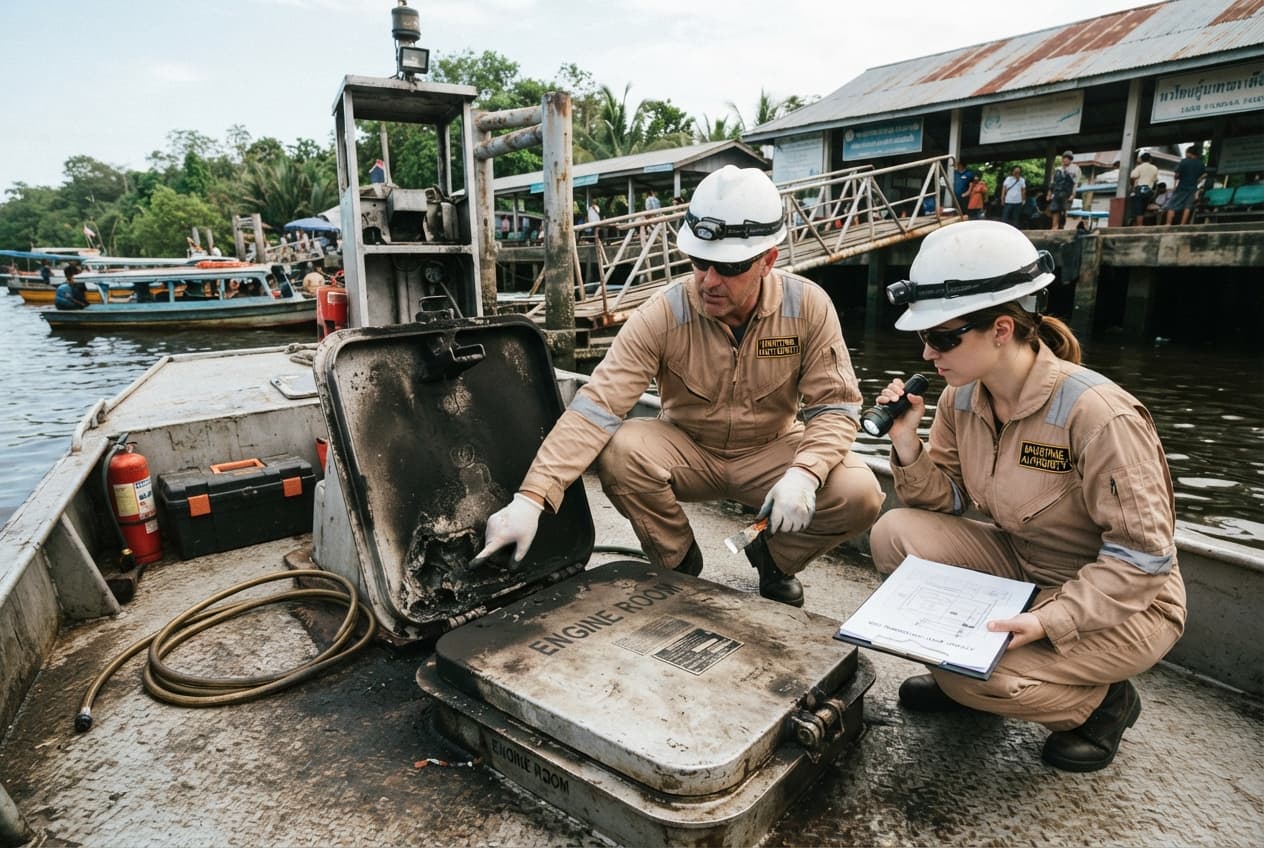
AI-generated image disclaimer: The images used for illustration are AI-generated and intended for editorial visualization purposes only.
Source verification check: Météo-France, Reuters, BBC News, European Environment Agency, Copernicus Climate Service.
Published by Banx Network. This article is part of the Banx decentralized media programme, powered by the BXE token on the XRP Ledger.