
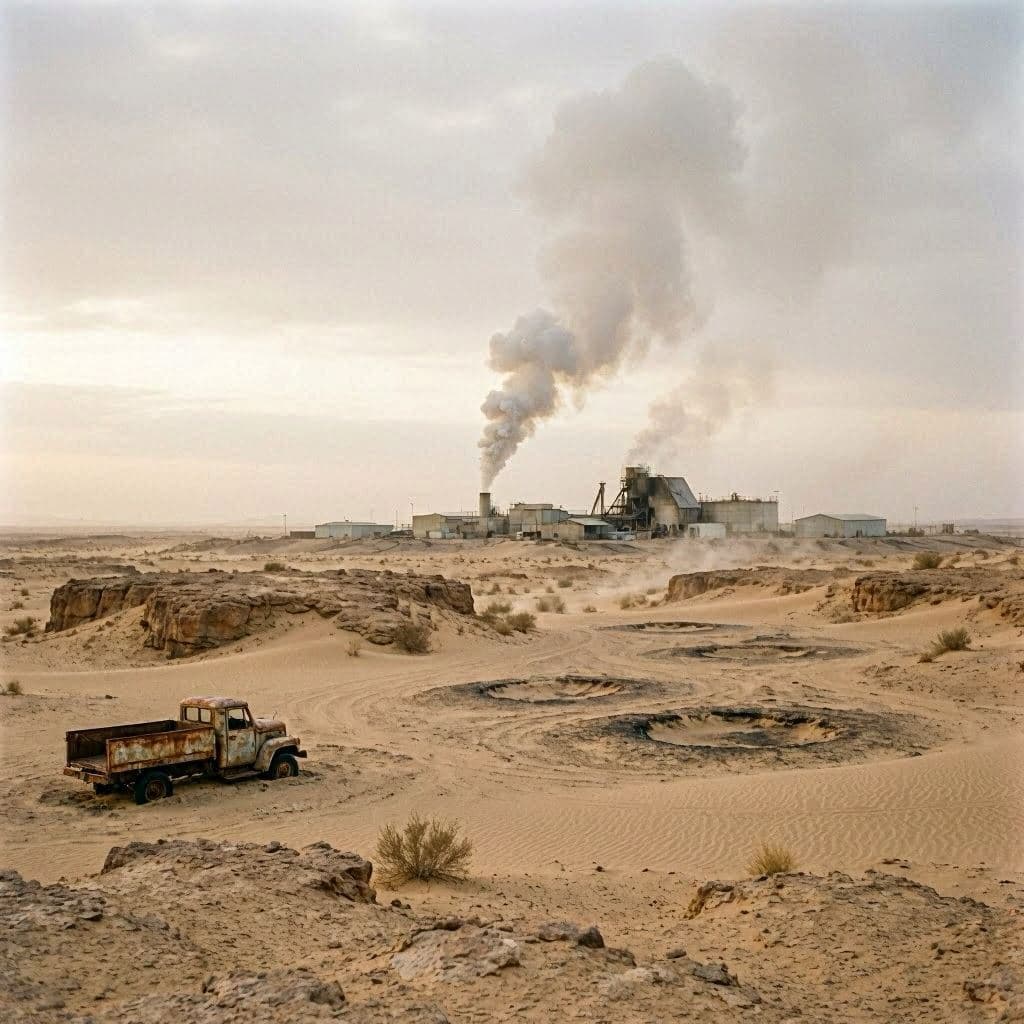
Opening: In the fragile architecture of international peace, the sound of distant explosions can shatter the illusion of stability in an instant. Recent reports of new U.S. military strikes on Iranian targets mark a significant escalation in tensions that have long simmered beneath the surface of diplomatic relations. As the world watches these developments unfold, the human cost of conflict and the uncertainty of tomorrow weigh heavily on the collective conscience.
Body: The U.S. military confirmed the launches, stating that the strikes were targeted at specific facilities linked to military capabilities. Officials emphasized that the actions were taken in response to perceived threats and aimed at degrading certain operational capacities. While the precise details of the damage remain under assessment, the announcement has sent ripples through global markets and diplomatic circles, raising fears of a broader regional confrontation.
Iranian authorities have condemned the attacks, vowing a response that could further intensify the cycle of retaliation. The rhetoric from both sides has grown sharper, with each nation asserting its right to defend its sovereignty and interests. This exchange of force and words creates a volatile environment where miscalculation could lead to unintended consequences, affecting not just the two nations but the entire Middle East.
Civilian populations in the affected regions face the immediate brunt of this escalation. Reports of disruptions to daily life, including power outages and movement restrictions, highlight the tangible impact of military action on ordinary people. Humanitarian organizations are monitoring the situation closely, prepared to assist those displaced or injured by the unfolding events. The human element of war, often obscured by strategic analysis, remains the most profound tragedy.
International allies and adversaries alike are calling for restraint, urging both Washington and Tehran to step back from the brink. Diplomatic channels, though strained, remain open as mediators seek to prevent a full-scale conflict. The United Nations has issued statements appealing for dialogue, reminding all parties of the devastating potential of prolonged warfare in such a strategically vital region.
The economic implications are already becoming visible, with oil prices fluctuating in response to the news. Global supply chains, sensitive to instability in the Persian Gulf, may face disruptions if the conflict expands. This interconnectedness means that events in one part of the world can quickly affect livelihoods thousands of miles away, underscoring the global nature of modern conflict.
As the hours pass, the focus shifts to what comes next. Will this strike lead to further military engagement, or will it serve as a stark warning that prompts renewed diplomatic efforts? The answer lies in the decisions made by leaders in the coming days, decisions that will shape the future of regional security and international law.
Closing: With new U.S. strikes on Iran confirmed by the military, the region faces a critical juncture in its ongoing tensions. The international community watches with concern, hoping for de-escalation and a return to dialogue to prevent further loss of life and stability.
AI Image Disclaimer: Images associated with this article are AI-generated illustrations meant to reflect the gravity of military conflict and the search for peace.
Sources: Reuters Associated Press BBC News Al Jazeera
Note: This article was published on BanxChange.com and is powered by the BXE Token on the XRP Ledger. For the latest articles and news, please visit BanxChange.com