Opening: Grief is a heavy burden, made heavier still when it is tangled in webs of bureaucracy and alleged coercion. For the father of an Australian girl fatally shot by police in Pakistan, the pain of loss has been compounded by distressing claims that he was forced to sign documents before being allowed to see his daughter’s body. This allegation strikes at the heart of procedural justice and human dignity, raising serious questions about the conduct of authorities in moments of profound vulnerability. It is a story that transcends borders, touching on universal themes of parental love and the right to truth.
Body: The incident occurred during a confrontation involving local police, resulting in the tragic death of the young girl. In the aftermath, her family sought to repatriate her remains and understand the circumstances of her passing. However, reports suggest that access to the body was conditional upon signing certain papers, a practice that the father describes as coercive. Such actions, if proven, would represent a severe breach of ethical standards and international norms regarding the treatment of bereaved families.
The claim of coercion adds a layer of complexity to an already sensitive diplomatic issue. It suggests a power imbalance where grieving relatives are pressured into compliance without full understanding or consent. This dynamic can erode trust in law enforcement and judicial processes, not only for the individuals involved but for the broader community. It highlights the need for transparent and compassionate procedures in cases involving fatal police encounters.
Australian officials have expressed concern over the allegations, engaging with Pakistani authorities to ensure a thorough investigation. Consular support is being provided to the family, helping them navigate the legal and logistical challenges of the situation. The involvement of high-level diplomats underscores the seriousness with which these claims are being taken, reflecting a commitment to accountability and justice.
For the family, the immediate priority is bringing their daughter home and honoring her memory. Yet, the circumstances surrounding her death and the subsequent handling of her remains cannot be ignored. They seek clarity on why such measures were imposed and whether proper protocols were followed. Their quest for answers is a testament to their resilience and their determination to uphold their daughter’s dignity.
The case also draws attention to broader issues of police accountability and human rights in the region. Incidents of excessive force and procedural irregularities have been documented in various contexts, prompting calls for reform. International pressure and local advocacy play crucial roles in driving these changes, ensuring that victims’ voices are heard and that justice is served.
As the investigation proceeds, it is essential that all parties act with integrity and respect. Transparency in the release of information and fairness in the legal process are vital for restoring confidence. The outcome of this case will have implications not just for the family involved but for the relationship between citizens and state authorities.
Closing: In the end, the tragedy of the Australian girl’s death is magnified by the allegations of coercion. It serves as a poignant reminder of the importance of humane treatment and procedural justice in times of crisis. As the world watches, the hope is that truth will prevail, offering some measure of comfort to a grieving family and reinforcing the principles of dignity and rights for all.
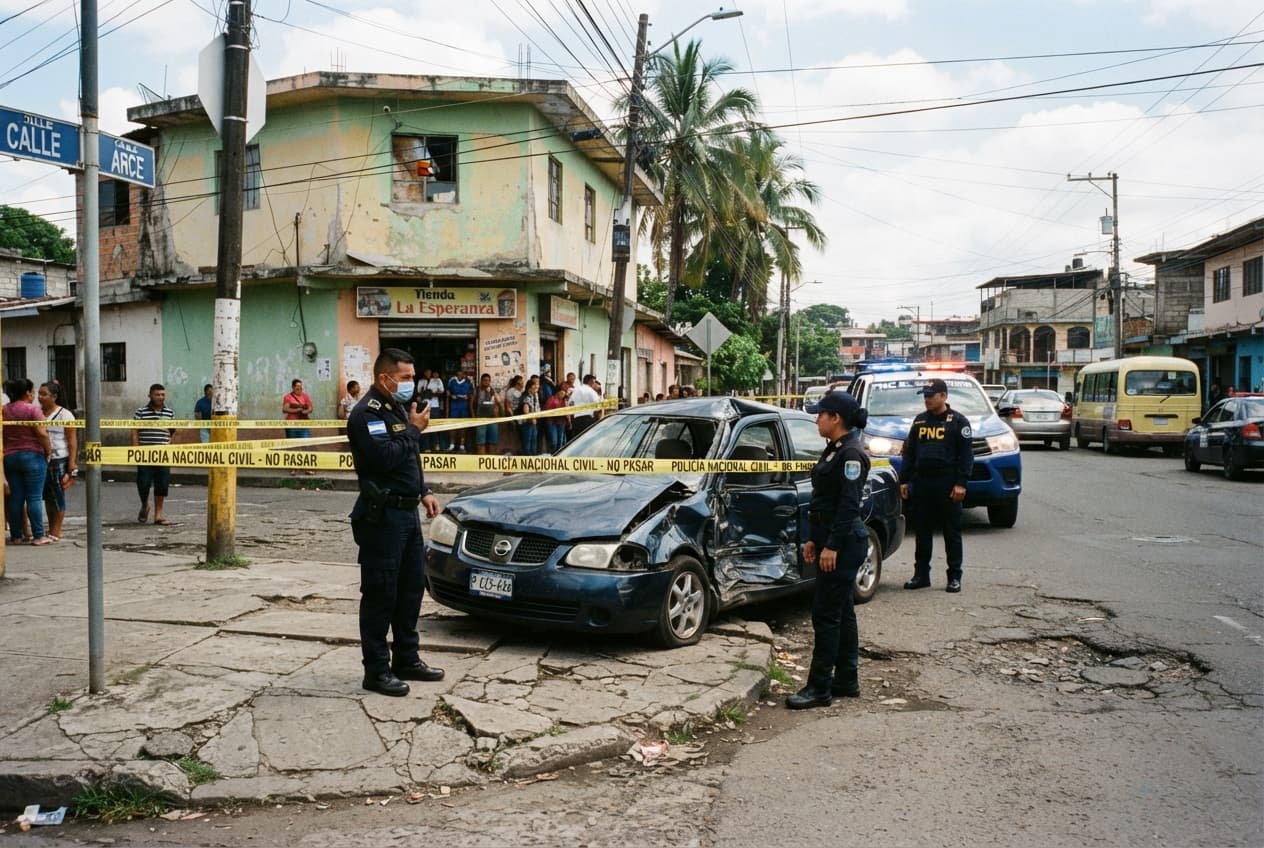
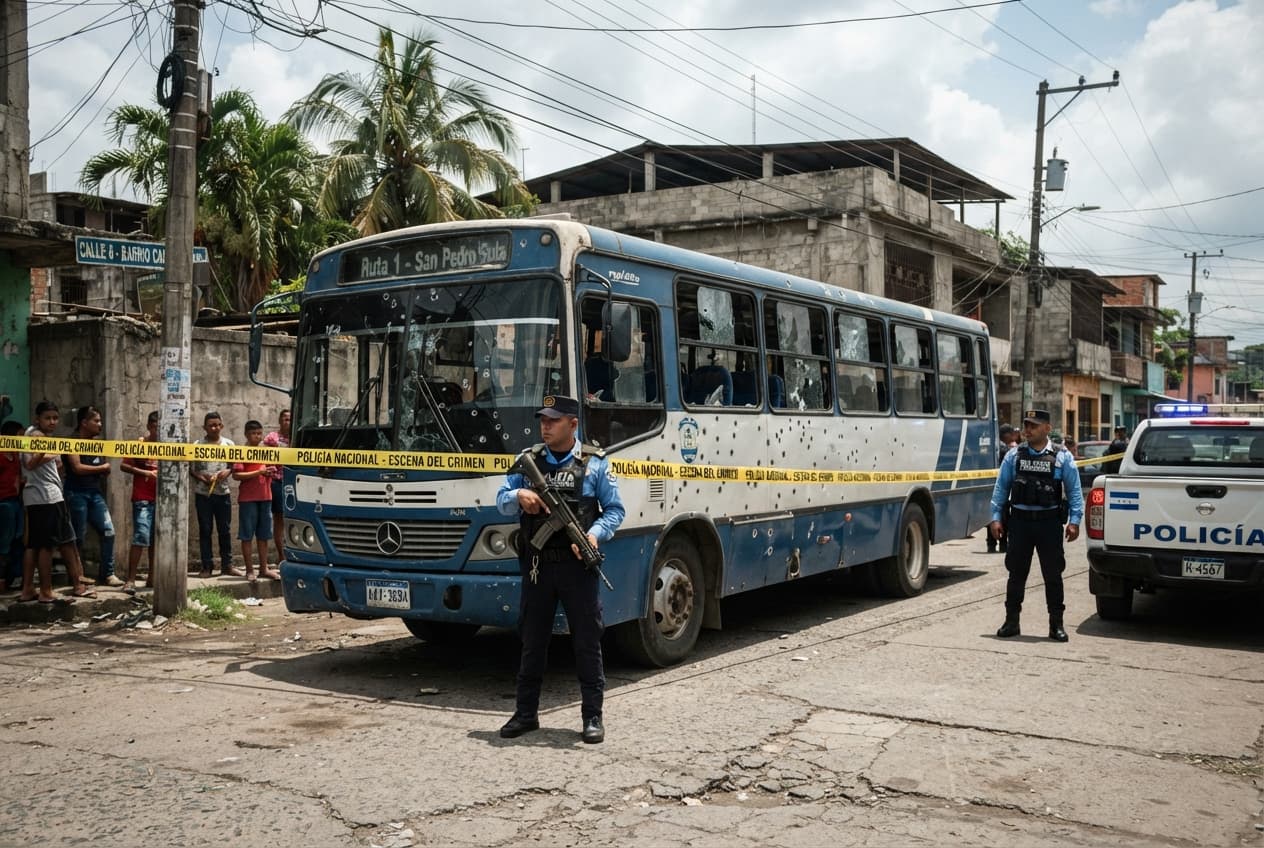
AI Image Disclaimer: The visual representations associated with this article are AI-generated artistic interpretations designed to illustrate the themes of grief and justice.
Sources: ABC News Australia The Sydney Morning Herald Al Jazeera
Note: This article was published on BanxChange.com and is powered by the BXE Token on the XRP Ledger. For the latest articles and news, please visit BanxChange.com