The geopolitical landscape of the Middle East has long been defined by complex alliances and strategic interests. For decades, the presence of US troops in Saudi Arabia has been a cornerstone of American influence in the region, serving as a deterrent against regional threats and a guarantee of energy security. However, recent reports suggest that Washington is considering a withdrawal of these forces, signaling a potential shift in policy as tensions with Iran escalate and bilateral ties become increasingly strained.
The decision to potentially pull troops is not made in isolation. It reflects a broader reevaluation of America’s role in the Middle East, where priorities are shifting toward great-power competition in Asia and Europe. The enduring conflict with Iran, which has seen periodic escalations into direct confrontation, has complicated the security architecture. US policymakers are weighing the costs of maintaining a permanent military footprint against the benefits of diplomatic flexibility and reduced exposure to regional conflicts.
For Saudi Arabia, the potential departure of US forces raises questions about future security guarantees. The kingdom has relied on American military support to counterbalance Iranian influence and protect its oil infrastructure. A withdrawal could prompt Riyadh to seek new partnerships or accelerate its own defense capabilities, altering the balance of power in the Gulf. It is a moment of uncertainty that requires careful diplomatic navigation from both sides.
The souring of ties is partly attributed to differences in approach toward Iran. While the US has pursued a mix of pressure and diplomacy, Saudi Arabia has often advocated for a more assertive stance. Recent escalations in the region have highlighted these divergences, leading to friction in high-level discussions. The potential troop withdrawal is seen by some analysts as a lever in these negotiations, though it carries significant risks for regional stability.
Energy markets are also watching closely. The stability of oil supplies from the Gulf is crucial for the global economy. Any perception of reduced US commitment could lead to volatility, affecting prices and economic planning worldwide. Ensuring that energy security is maintained, even with a reduced military presence, will be a key challenge for diplomats and energy experts alike.
Public opinion in both countries plays a role in this evolving dynamic. In the US, there is growing fatigue with endless military engagements in the Middle East, with many calling for a focus on domestic issues. In Saudi Arabia, there is a desire for greater sovereignty and less dependence on foreign powers. These internal pressures shape the external policies of both nations, driving them toward a new kind of relationship.
Despite the tensions, cooperation on certain issues remains possible. Counterterrorism, intelligence sharing, and economic investment are areas where mutual interests still align. The relationship may transform rather than dissolve, moving from a patron-client model to a more transactional partnership. This evolution reflects the maturing of international relations in a multipolar world.
In the end, the potential withdrawal of US troops is a significant marker of change. It invites reflection on the nature of alliance and the cost of security. As both nations navigate this transition, the hope is that dialogue and mutual respect will guide them toward a stable and productive future, even as the old structures fade away.
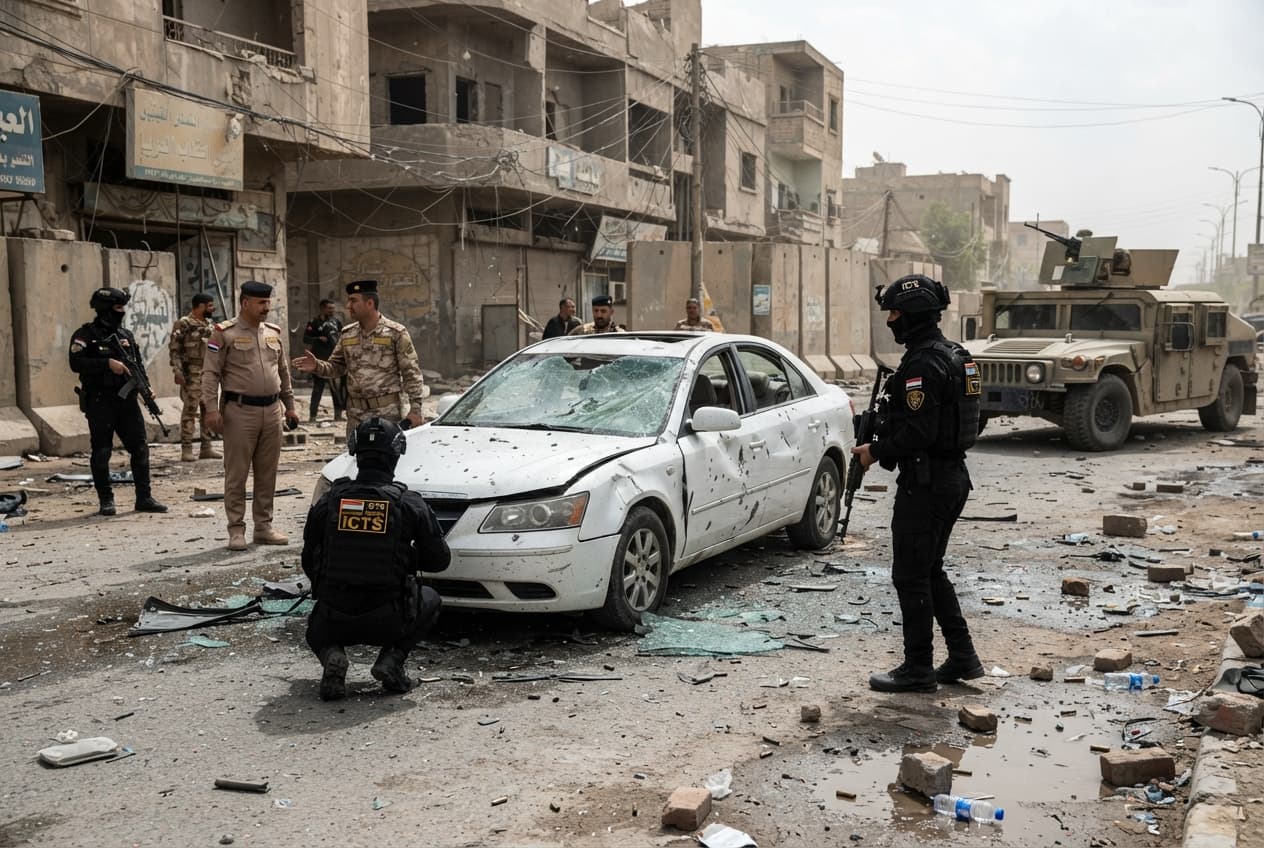
AI Image Disclaimer: Please note that any images associated with this article are AI-generated interpretations intended for illustrative purposes only and do not represent actual military movements or political meetings.
Sources: Reuters The Washington Post Al Jazeera Foreign Policy The Guardian
Published by Banx Network. This article is part of the Banx decentralized media programme, powered by the BXE token on the XRP Ledger.