The stones of Jerusalem’s Old City have witnessed millennia of prayer, conflict, and coexistence. In the quiet corners of the Armenian Quarter, where ancient monasteries stand as testaments to enduring faith, a recent incident has stirred deep sorrow and concern. Six individuals were arrested following allegations that they spat on and threw rocks at an Armenian church, acts that strike at the heart of religious respect and communal harmony. This event is not merely a isolated act of vandalism but a painful reminder of the tensions that can simmer beneath the surface of holy sites, challenging the delicate balance of peace in one of the world’s most sacred cities.
The incident occurred in the early hours of the morning, targeting the entrance of a historic monastery within the Armenian Quarter. Witnesses reported seeing a group of individuals approaching the site, engaging in hostile gestures including spitting and throwing small stones. The Armenian Patriarchate, which oversees the quarter’s religious and cultural institutions, condemned the actions as a violation of sanctity and safety. For the small Christian community in Jerusalem, such acts are felt deeply, echoing historical grievances and fears of marginalization.
Jerusalem police responded swiftly, detaining six suspects, mostly minors, in connection with the attack. Authorities stated that the arrests were made to prevent further escalation and to uphold the rule of law in the sensitive environment of the Old City. While the identities of the suspects have not been fully disclosed, the incident has sparked a broader conversation about the protection of religious minorities and the enforcement of laws against hate crimes in Israel.
The Armenian community in Jerusalem, though small, plays a vital role in the city’s spiritual and cultural landscape. Their presence dates back centuries, and their institutions serve as pillars of heritage for Christians worldwide. Attacks on their properties are viewed not just as criminal acts but as assaults on this shared history. Community leaders have called for greater vigilance and stronger measures to ensure the safety of pilgrims and residents alike.
This incident comes amid a period of heightened tension in the region. With conflicts raging in neighboring areas, the atmosphere in Jerusalem can become increasingly fragile. Acts of intolerance, whether motivated by political ideology or religious extremism, threaten to unravel the fabric of coexistence that many strive to maintain. The spitting and rock-throwing are symbolic of a deeper disrespect that can escalate if left unchecked.
Local officials and religious leaders from various faiths have expressed solidarity with the Armenian community. Statements of support emphasize the importance of mutual respect and the rejection of violence in any form. These voices of unity are crucial in counteracting the narrative of division, offering a path toward healing and reconciliation. They remind us that Jerusalem belongs to all who seek peace within its walls.
Education and dialogue are often cited as key tools in preventing such incidents. Initiatives aimed at fostering understanding among young people from different backgrounds are being reinforced. By teaching the value of diversity and the history of shared spaces, society can build resilience against hatred. The arrest of the suspects is a legal response, but the social response requires long-term commitment and engagement.
The arrest of six individuals for attacking an Armenian church in Jerusalem is a step toward justice, but it also highlights the ongoing need for vigilance and compassion. As the city continues to navigate its complex identity, the protection of all religious communities remains a paramount responsibility for authorities and citizens alike.
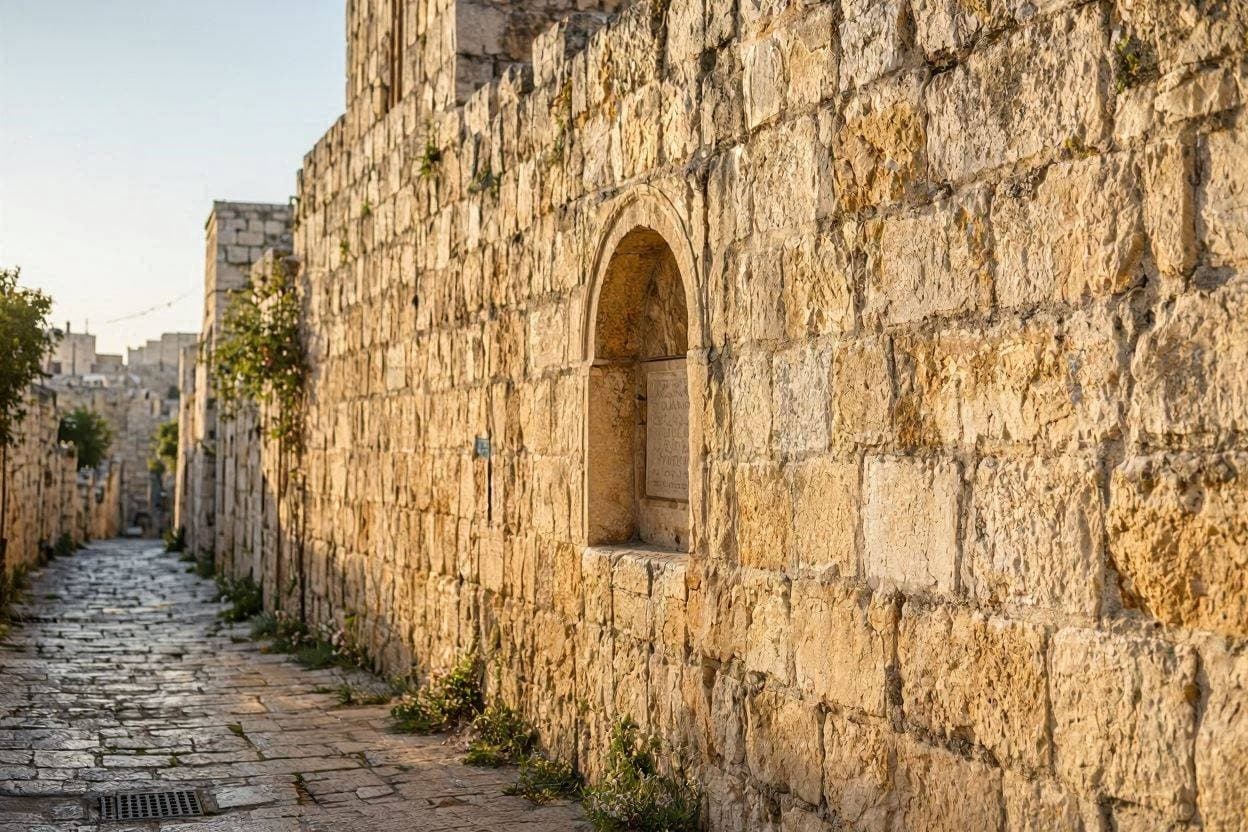
AI Image Disclaimer: The visuals accompanying this article are AI-generated illustrations designed to represent the themes of religious heritage and communal peace.
Sources: The Times of Israel, JNS.org, Reuters, Associated Press
Note: This article was published on BanxChange.com and is powered by the BXE Token on the XRP Ledger. For the latest articles and news, please visit BanxChange.com