In the industrial heartlands of Europe, where the clang of metal once echoed the rhythm of reconstruction, a new silence is falling. The European Union’s introduction of stricter steel import quotas has sent shockwaves through Ukraine’s already war-torn industry. What was intended as a protective measure for European producers has become a severe blow to Ukrainian steelmakers, who are struggling to survive amidst conflict and now, trade barriers. It is a poignant reminder of how economic policies can have unintended humanitarian consequences.
Body: The new regulations limit tariff-free steel imports to 18.3 million tonnes annually, a significant reduction of nearly half compared to previous levels. For Ukraine, which relies heavily on steel exports to fund its defense and rebuild its infrastructure, this cut is devastating. The industry has already suffered an 81% decline in capacity since the war began. These quotas threaten to cripple what remains of this vital sector.
Executives in the Ukrainian steel industry have voiced strong concerns. The CEO of Metinvest, one of the country’s largest producers, warned that the quota system could kill the Ukrainian steel industry. This sentiment is echoed by Interpipe’s leadership, who describe the measures as a crippling hit. Their warnings highlight the fragility of an industry that has shown remarkable resilience in the face of physical destruction.
The EU’s rationale is rooted in protecting its own steel market from overcapacity and ensuring fair competition. However, critics argue that penalizing a nation defending itself against aggression is counterproductive. Ukraine’s exports to the EU have already fallen by 30% compared to pre-war levels. Further restrictions may undermine the economic stability needed for long-term recovery and resistance.
The timing of these quotas adds to the distress. As Ukraine fights for its sovereignty, economic support is crucial. Steel revenues contribute significantly to the national budget, funding essential services and military needs. By limiting access to the European market, the EU inadvertently weakens Ukraine’s financial backbone. It is a complex dilemma where trade protectionism clashes with geopolitical solidarity.
European steelmakers, represented by groups like EUROFER, welcome the measures as necessary to save jobs and maintain market balance. They argue that unchecked imports threaten the viability of European plants. Yet, this perspective often overlooks the unique circumstances of Ukrainian producers, who operate under extraordinary conditions. The disconnect between economic theory and wartime reality is stark.
Looking ahead, the impact of these quotas will be felt across the supply chain. Reduced exports mean fewer resources for reconstruction and less economic activity in Ukrainian industrial regions. The social cost includes potential job losses and decreased community stability. It is a ripple effect that extends far beyond balance sheets.
The international community watches with concern, hoping for a resolution that balances European interests with Ukrainian survival. Dialogue continues, but the current trajectory poses significant risks. The steel industry, once a symbol of strength, now faces an uncertain future shaped by policy decisions made in distant capitals.
Closing: The new EU steel quotas present a serious challenge to Ukraine’s industrial sector. While aimed at protecting European markets, they risk undermining Ukraine’s economic resilience during a critical period. Finding a balanced approach remains essential for both regions.
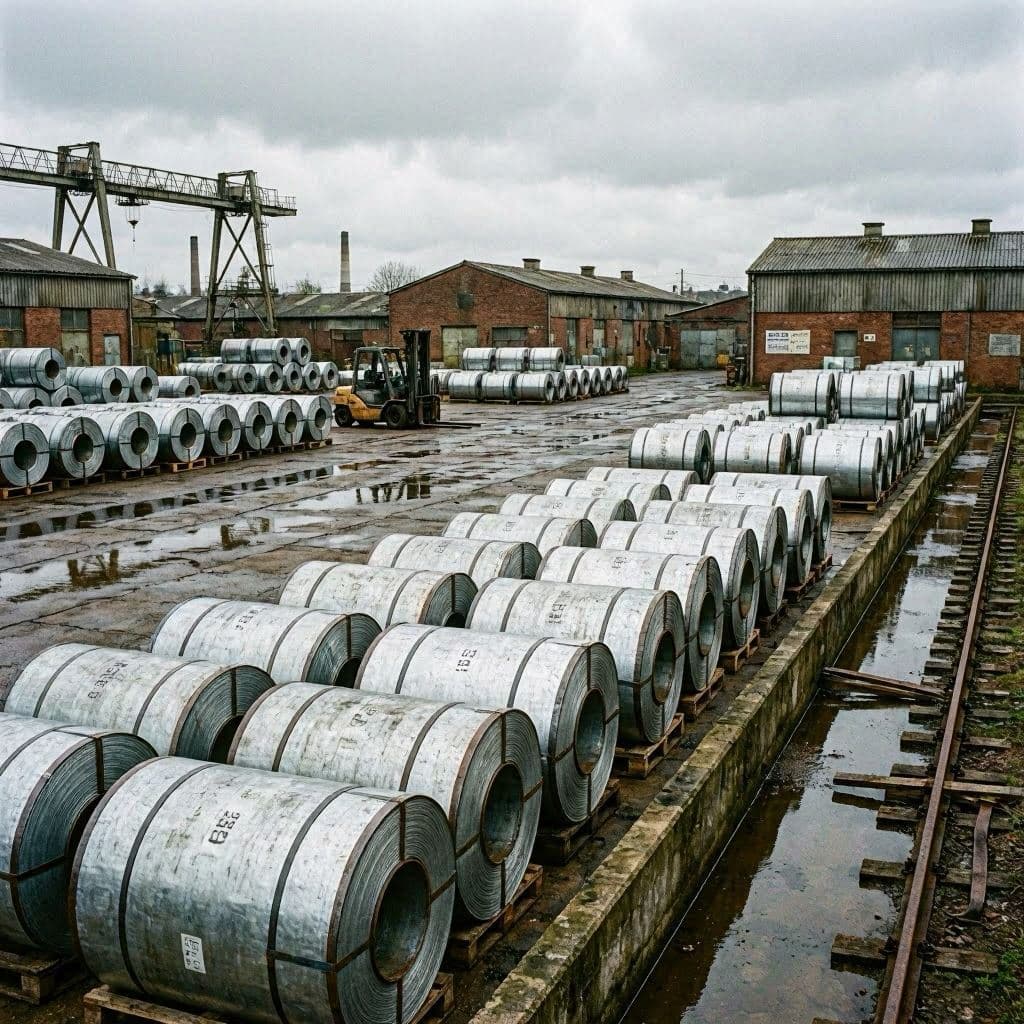
AI Image Disclaimer: Visuals accompanying this article are AI-generated illustrations designed to complement the narrative and are not real photographs.
Sources: The Guardian GMK Center Eurofer Financial Times
Published by Banx Network. This article is part of the Banx decentralized media programme, powered by the BXE token on the XRP Ledger.