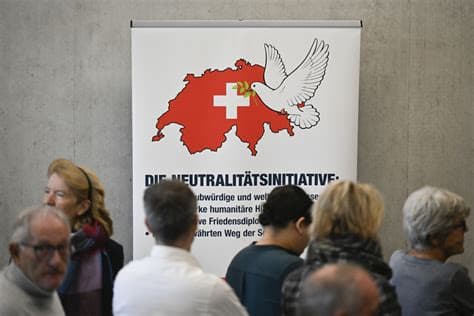
Switzerland and Ireland have cultivated reputations for neutrality in international conflicts, but the debates surrounding this stance are evolving in both countries. While historically rooted in different contexts, their discussions regarding neutrality reveal shared concerns and distinctive national perspectives. Switzerland’s Neutrality Debate
Switzerland has maintained a policy of neutrality for over two centuries, anchored in its desire to avoid entanglement in international conflicts and preserve its sovereignty. This neutrality has allowed Switzerland to be a hub for diplomacy, hosting numerous international organizations, including the Red Cross and various UN agencies.
Recently, Swiss neutrality has been scrutinized due to geopolitical tensions such as the ongoing conflict in Ukraine. Calls for Switzerland to provide military support to Ukraine have intensified, emphasizing the need for the nation to reconsider its historical stance in light of contemporary threats. The debate reflects a tension between traditional values of neutrality and the moral imperative to support global stability and human rights. Ireland’s Neutrality Discourse
Similarly, Ireland's neutrality has been a defining feature of its foreign policy. Protecting sovereignty and retaining independence from military alliances have guided Irish decisions since the mid-20th century. Ireland has positioned itself as a peacekeeper in international contexts, often participating in UN peacekeeping missions rather than engaging in direct military alliances.
However, the recent security environment, especially following Brexit and increased EU defense cooperation, has led to renewed discussions among Irish political leaders and the public. The growing threats posed by terrorism and aggression highlight a compelling need for Ireland to reassess its defense strategy, provoking discourse on whether participation in collective security agreements may be warranted. Common Themes and Divergences
Both nations confront the challenge of balancing their traditional commitments to neutrality with emerging security threats. While public opinion in Switzerland appears increasingly divided about maintaining the status quo, Ireland’s political landscape is evolving as well, with some parties advocating for a more active role in European defense.
Despite these complexities, both Switzerland and Ireland emphasize the importance of diplomacy and international cooperation, aligning with their historical identities. Each country’s cultural context and political structures significantly shape how debates on neutrality unfold, reflecting domestic priorities and historical lessons.
As global geopolitical dynamics continue to shift, the debates in Switzerland and Ireland serve as vital reflections of broader discussions on neutrality and military engagement, revealing how nations adapt traditional policies in an increasingly interconnected world. The outcomes of these discussions will undoubtedly influence their futures on the international stage and their roles in global security frameworks.
Published by Banx Network. This article is part of the Banx decentralized media programme, powered by the BXE token on the XRP Ledger.