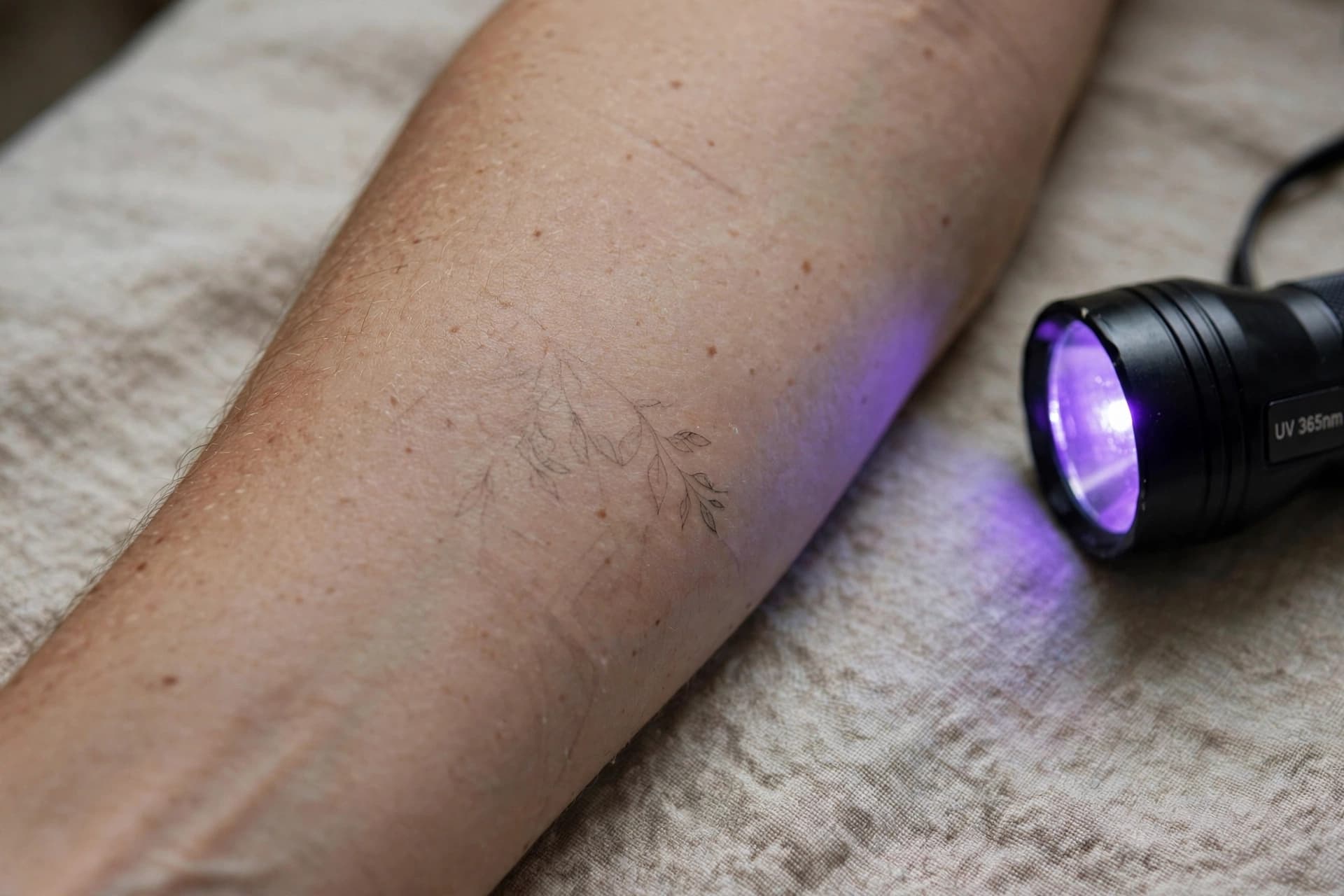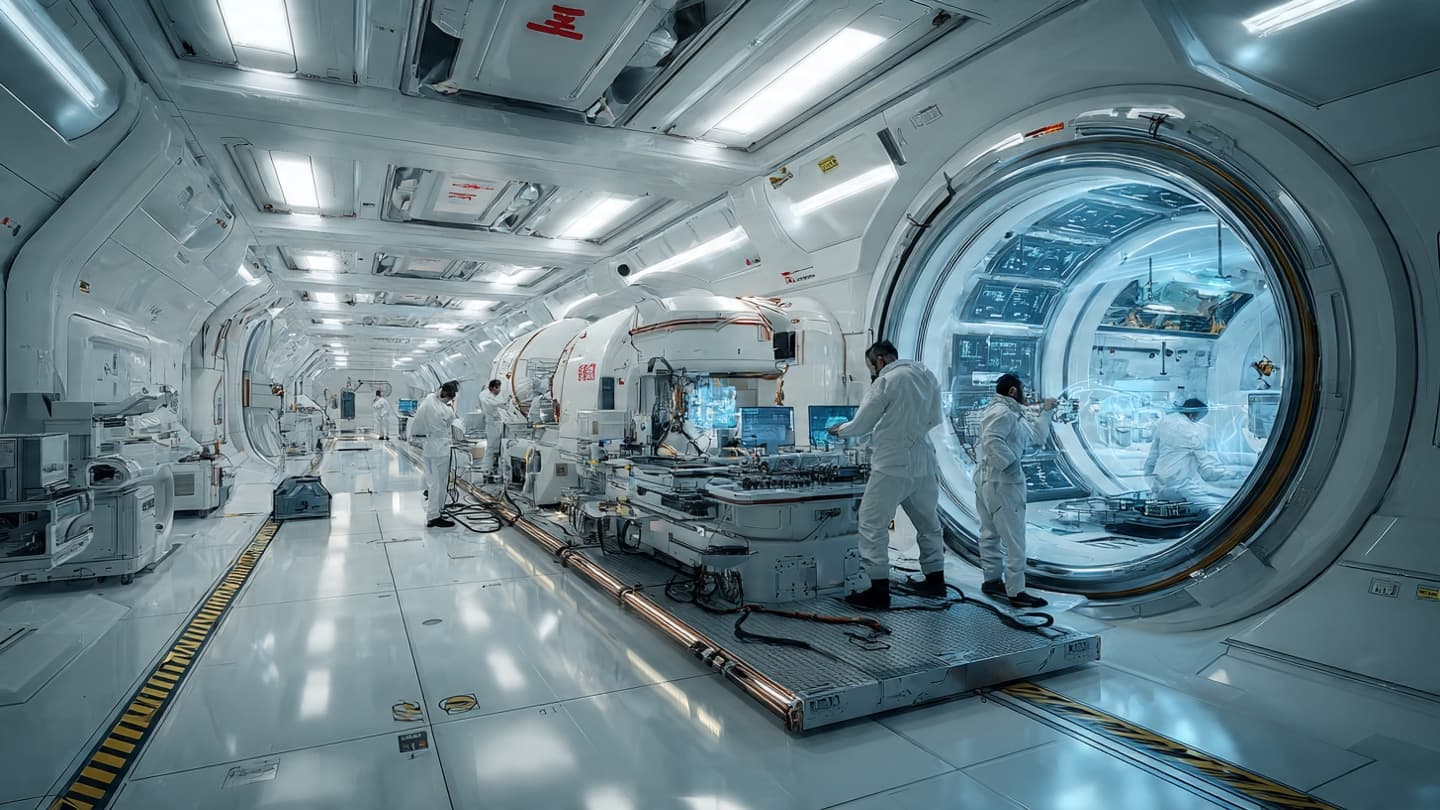
As humanity looks farther into the solar system, some scientific questions become deeply practical as well as profoundly philosophical. Among them is whether human life could one day continue beyond Earth itself. A recent Chinese research mission involving laboratory-created embryo models sent into space has therefore drawn attention from scientists, ethicists, and policymakers around the world.
The project reportedly involves artificial embryo-like structures rather than viable human embryos intended for reproduction. Researchers are studying how microgravity and space radiation affect early biological development, particularly during the first stages of cellular organization. Such experiments are part of a broader effort to understand whether long-term human settlement beyond Earth may someday be biologically possible.
Scientists have long known that space changes the human body in significant ways. Bone density decreases, muscles weaken, and radiation exposure rises dramatically during extended missions. However, relatively little is understood about how reproduction and embryonic development would function in space environments far from Earth’s gravity.
Chinese researchers involved in the experiment stated that the work is designed to examine cellular behavior rather than pursue immediate reproductive applications. Artificial embryo models are increasingly used in laboratories worldwide because they allow scientists to study developmental processes without using traditional embryos in certain stages of research.
The experiment also enters a sensitive ethical landscape. Questions surrounding human reproduction research, especially beyond Earth, often generate international debate. Bioethicists continue to discuss where scientific exploration should pause and where global standards may need stronger coordination as space biology advances.
Space agencies across several countries have shown growing interest in space medicine and long-duration habitation. Future lunar bases or missions to Mars would likely require extensive understanding of how human biology adapts over generations, not simply over months. For this reason, even preliminary biological studies attract global scientific attention.
At the same time, many experts caution that current technology remains far from supporting human reproduction outside Earth. Space radiation, limited medical infrastructure, and uncertain developmental risks represent major barriers. Researchers emphasize that existing studies remain exploratory rather than operational.
The mission also reflects China's expanding ambitions in scientific space research. Over recent years, the country has increased investment in lunar exploration, orbital stations, and biological experimentation in microgravity environments. International observers see these efforts as part of a broader global competition in advanced space capabilities.
For now, the experiment offers more questions than conclusions. Yet it also reflects an era in which humanity is beginning to examine not only how to visit space, but whether life itself can one day continue there across generations.
AI Image Disclaimer: Visual elements associated with this article may include AI-generated artistic interpretations.
Sources: Reuters, Nature, SpaceNews, South China Morning Post
Published by Banx Network. This article is part of the Banx decentralized media programme, powered by the BXE token on the XRP Ledger.