
In southern Lebanon, ordinary routines increasingly unfold beneath the uncertainty of distant aircraft and interrupted nights. Families continue navigating daily life while regional tensions shape the rhythm of villages and towns standing close to one of the Middle East’s most fragile frontiers.
Lebanese authorities said at least 21 people, including children, were killed in Israeli air strikes targeting areas in southern Lebanon. The attacks marked another escalation in ongoing cross-border hostilities between Israel and armed groups operating near the frontier.
Israeli military officials stated that the strikes targeted positions linked to Hezbollah, the Iran-backed movement that has exchanged fire with Israeli forces during months of regional tension following the Gaza conflict.
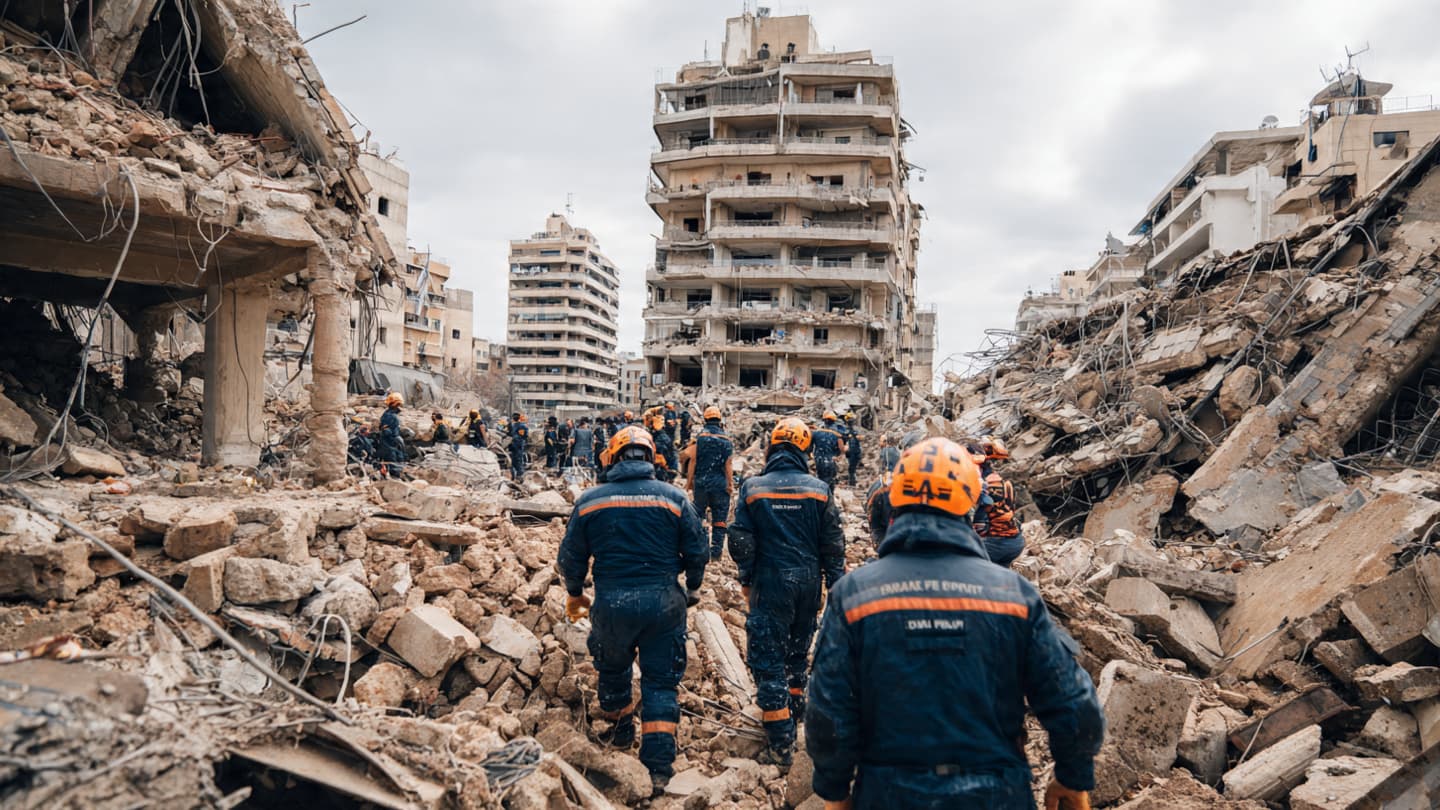
Local officials and humanitarian workers described scenes of destruction in affected communities, where homes and civilian infrastructure reportedly suffered heavy damage. Emergency crews continued rescue operations while hospitals treated the injured.
The violence along the Lebanon-Israel border has intensified repeatedly over recent months, raising fears that broader regional conflict could emerge from continued military exchanges. International organizations have repeatedly urged restraint from all sides.
Humanitarian agencies warned that civilians living near the border remain especially vulnerable as displacement, infrastructure damage, and interruptions to essential services continue affecting communities in both Lebanon and northern Israel.
Diplomatic efforts involving regional and international actors have attempted to reduce tensions, though ceasefire discussions and mediation attempts have faced repeated setbacks. Analysts note that both Israel and Hezbollah appear cautious about full-scale war while continuing military operations.
Observers also pointed to the growing humanitarian cost of prolonged instability across the region. Schools, healthcare systems, and local economies near conflict zones have faced sustained disruption as security concerns persist.
Lebanese authorities said investigations and emergency response efforts were continuing while international calls for de-escalation intensified following the latest strikes.
AI-generated image disclaimer: Certain visuals related to this report may include AI-generated representations of conflict zones and humanitarian response efforts.
Sources: Reuters, Associated Press, Al Jazeera, BBC News, The Guardian
Note: This article was published on BanxChange.com and is powered by the BXE Token on the XRP Ledger. For the latest articles and news, please visit BanxChange.com