
Key Highlights
- Over 900 arrests:South African police reported more than 900 arrests during anti-immigration protests.
- Multiple provinces involved:Major arrests occurred in Western Cape, Eastern Cape, Free State, and KwaZulu-Natal.
- Various charges:Arrests included public violence, looting, and harboring illegal immigrants.
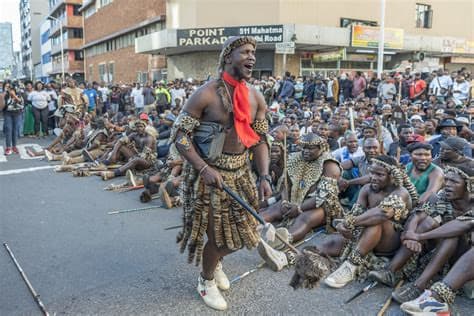
South Africa’s police have confirmed that they made over 900 arrests during operations conducted in conjunction with nationwide anti-immigration protests that took place on Tuesday. The protests were marked by significant public unrest, prompting a robust response from law enforcement agencies across the country.
Acting National Commissioner Puleng Dimpane stated that the majority of those arrested were illegal foreigners. These arrests were part of broader law enforcement actions that coincided with the demonstrations. Dimpane emphasized that the police's proactive approach was essential in maintaining order during the protests, which were characterized by various forms of public disorder.
In her remarks, Dimpane noted that some of the arrests were linked to looting incidents, while others involved serious offenses such as public violence and the harboring of illegal immigrants. Additionally, there were reports of business robberies occurring at spaza shops, which are small convenience stores often run by immigrants. This highlights the complex interplay between immigration issues and local economic activities.
The police's operations were not limited to a single region; significant arrests were reported in several provinces. The Western Cape, Eastern Cape, Free State, and KwaZulu-Natal each recorded more than 100 arrests, showcasing the widespread nature of the protests and the police's response. Dimpane described the police's actions as disciplined and effective, indicating a readiness to manage the situation as it unfolded.
The protests and subsequent arrests come amid ongoing debates in South Africa regarding immigration policies and the treatment of foreign nationals. Many South Africans have expressed concerns about the impact of illegal immigration on local job markets and public services, leading to heightened tensions in communities.
As the situation develops, the South African government is likely to face increased scrutiny regarding its immigration policies and the handling of protests. The police's response will be critical in shaping public perception and maintaining order in the face of ongoing unrest.
The events of Tuesday serve as a reminder of the challenges that South Africa faces in balancing immigration control with the rights of individuals. The government's approach to these issues will be closely watched in the coming weeks as the nation grapples with the implications of these protests and the arrests that followed.
Published by Banx Network. This article is part of the Banx decentralized media programme, powered by the BXE token on the XRP Ledger.



