
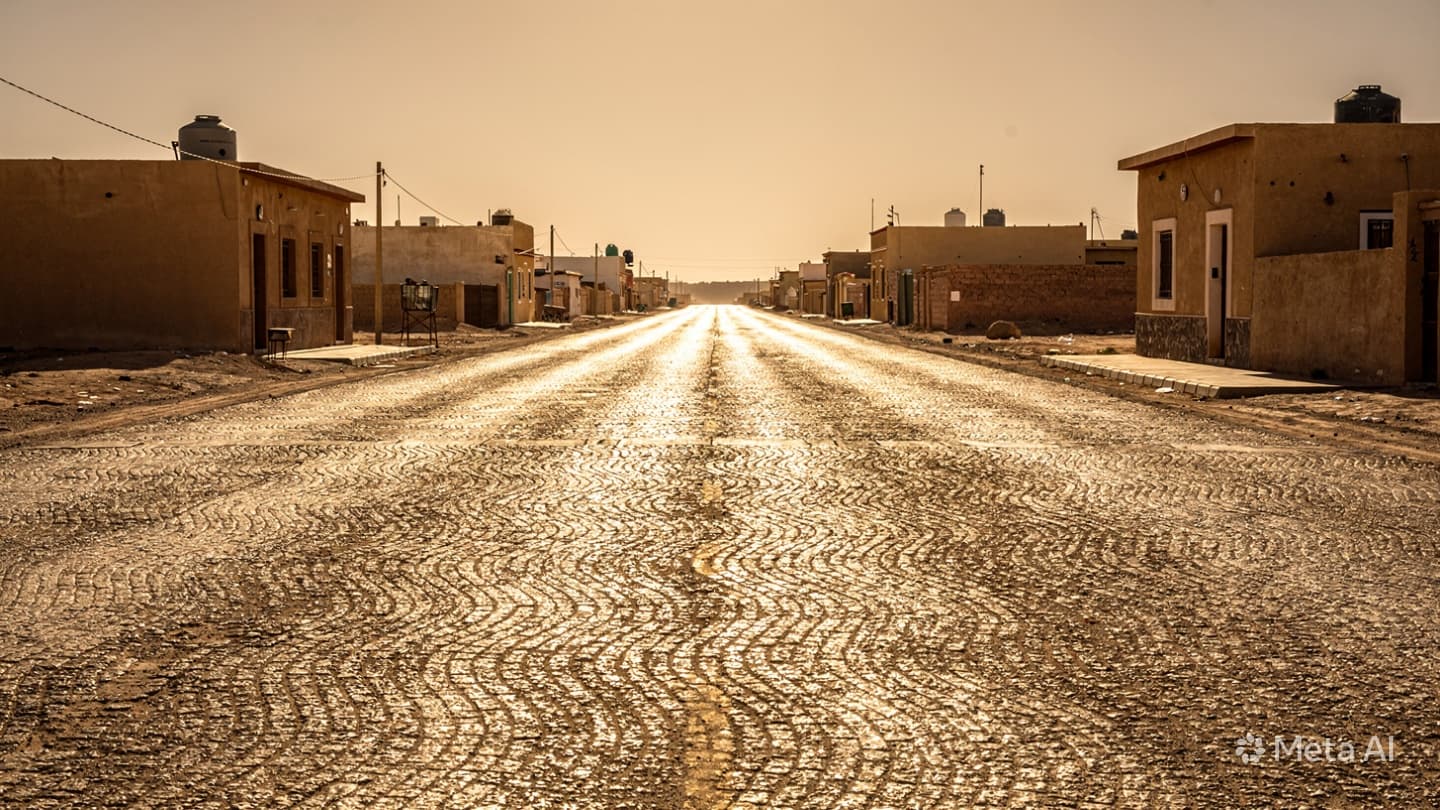
Hermosillo, Mexico—The state of Sonora is currently battling a brutal heatwave that has claimed several lives over the last forty-eight hours. Local health officials confirmed today that multiple residents died from severe dehydration and heatstroke. The victims, primarily elderly individuals and outdoor laborers, succumbed after temperatures in the region climbed past forty-five degrees Celsius. Hospitals are struggling to manage a surge in patients complaining of exhaustion and acute sun-related illness.
Emergency response teams have set up cooling centers in the city center to provide water and shade for those most at risk. The state government issued a public alert yesterday, urging citizens to avoid direct sunlight between eleven in the morning and five in the evening. Despite these warnings, the economic reality of the region forces many to remain outdoors for their livelihood. Productivity in the agricultural sector has ground to a complete standstill as a precaution.
Meteorologists describe the current weather as a heat dome, a high-pressure system trapping stagnant air over the northwest. This phenomenon has prevented any cooling breezes from reaching the desert terrain. The lack of nighttime cooling has further compounded the danger, leaving no reprieve for vulnerable bodies to recover from the daily thermal assault. Public infrastructure is showing signs of strain under the persistent demand for electricity.
The local morgue is currently processing the bodies of the latest victims while families wait for news in the stifling heat outside. State medical examiners are working around the clock to certify the causes of death, which are overwhelmingly linked to the environmental conditions. Resources from the federal government are being mobilized to assist local clinics, but supply lines for intravenous fluids and electrolytes are running thin.
Community leaders are demanding more robust support for the impoverished neighborhoods where lack of air conditioning makes survival difficult. Many residents remain confined to homes that act as ovens, unable to access the cooling centers situated in the business districts. Local charities are organizing water distribution efforts, but the scale of the need far exceeds their current inventory.
The heat shows no signs of breaking. Forecasts for the next week indicate that temperatures will stay consistently high, complicating efforts to lower the death toll. The state’s emergency services have moved to their highest level of alert, coordinating with municipal water departments to ensure that public fountains and supply pipes remain operational during the crisis.
The situation remains dire as of this evening. Health officials emphasize that the most dangerous phase of this event is likely still ahead as thermal mass continues to build up in urban environments. No further deaths have been reported since noon, but officials warn that the count is provisional.
Note: This article was published on BanxChange.com and is powered by the BXE Token on the XRP Ledger. For the latest articles and news, please visit BanxChange.com