Smoke has a way of obscuring not just the horizon but also the sense of normalcy. In Spokane, Washington, the sky has turned an ominous shade of orange as wildfires rage through the surrounding forests. The flames, driven by dry winds and high temperatures, have forced thousands of residents to evacuate their homes, leaving behind memories and possessions in a rush for safety. This crisis is a stark illustration of the growing threat of wildfire seasons, which are becoming longer and more intense due to climate change.
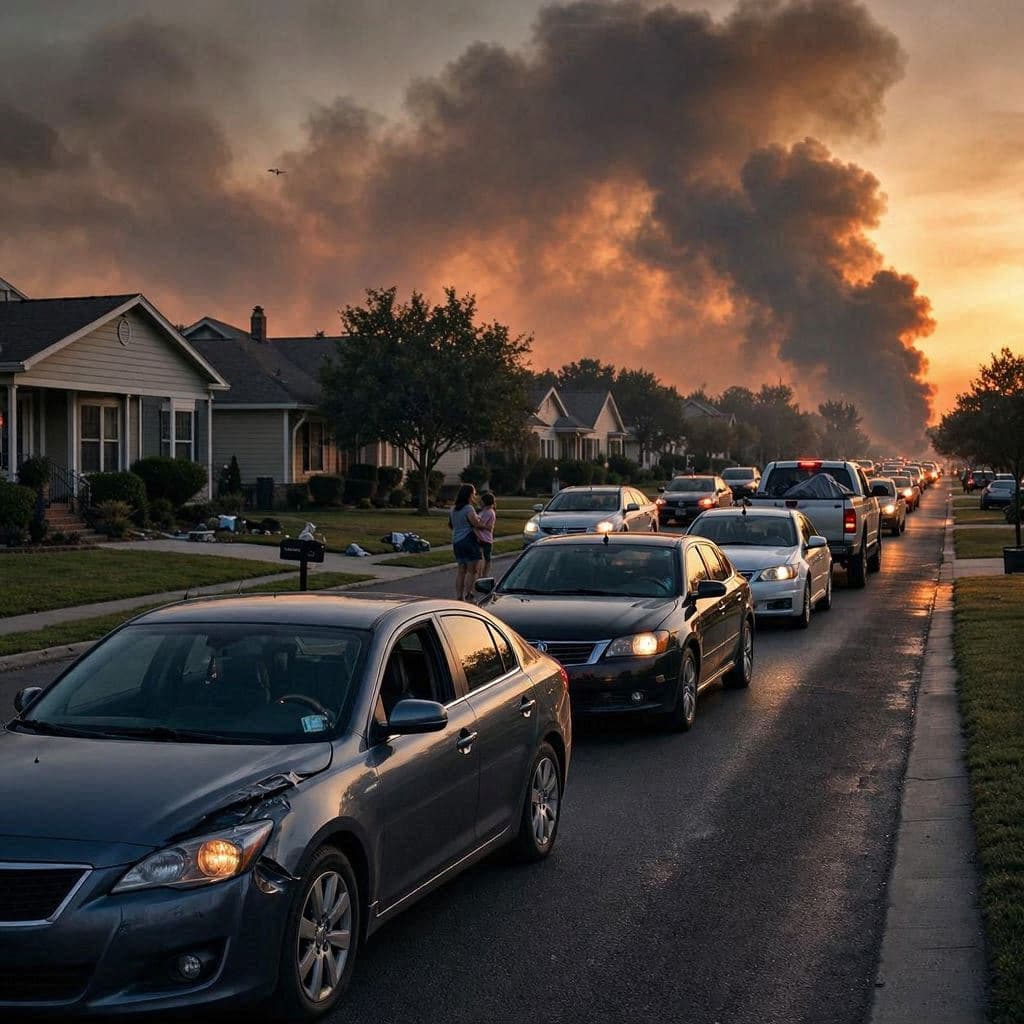
The fires began in the rugged terrain east of the city, spreading rapidly through dense pine forests. Emergency services issued mandatory evacuation orders for several neighborhoods, urging residents to leave immediately. Roads were congested with cars fleeing the danger, while firefighters worked tirelessly to contain the blazes. The scale of the displacement is significant, with shelters set up to accommodate those who have lost their homes.
Visuals from the scene capture the intensity of the disaster. Thick plumes of smoke rise into the air, blocking out the sun and casting a eerie glow over the landscape. Flames lick at the edges of homes, threatening to consume everything in their path. These images serve as a powerful testament to the destructive force of nature and the vulnerability of human settlements in wildland-urban interfaces.
For the evacuees, the experience is traumatic. Many had only minutes to gather essential items before leaving. Pets, photographs, and heirlooms were left behind, creating a sense of loss that extends beyond material value. Community members have rallied to support those displaced, offering food, clothing, and a place to stay. This outpouring of kindness highlights the resilience of the human spirit in the face of adversity.
Firefighters from across the region have joined the effort, battling the flames with hoses, aircraft, and sheer determination. The work is dangerous and exhausting, requiring constant vigilance. Despite their efforts, the fire continues to spread, fueled by unpredictable winds. The outcome remains uncertain, with much depending on changes in weather patterns.
The economic impact on Spokane is substantial. Local businesses are closed, tourism has halted, and infrastructure damage is mounting. Insurance claims are expected to rise, placing strain on the financial system. Recovery will take time and significant resources, requiring coordination between local, state, and federal agencies.
Climate scientists point to this event as evidence of a changing environment. Higher temperatures and prolonged droughts create ideal conditions for wildfires, making them more frequent and severe. Adapting to this new reality requires not just firefighting but also forest management and urban planning that prioritizes safety.
As the fires in Spokane continue to burn, the community stands united in its response. The evacuations are a painful disruption, but they also demonstrate the importance of preparedness and solidarity. In the shadow of the smoke, hope remains that the flames will be contained and life will return to normal.
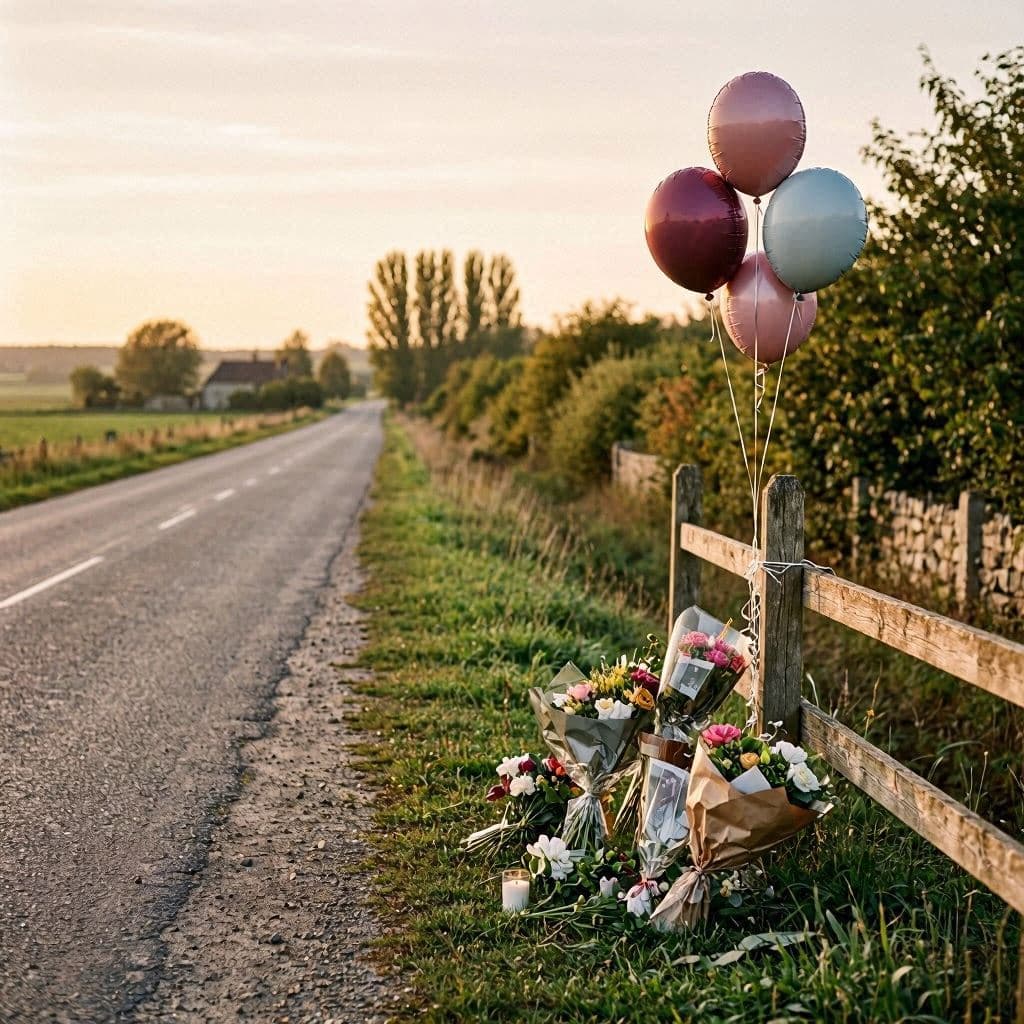
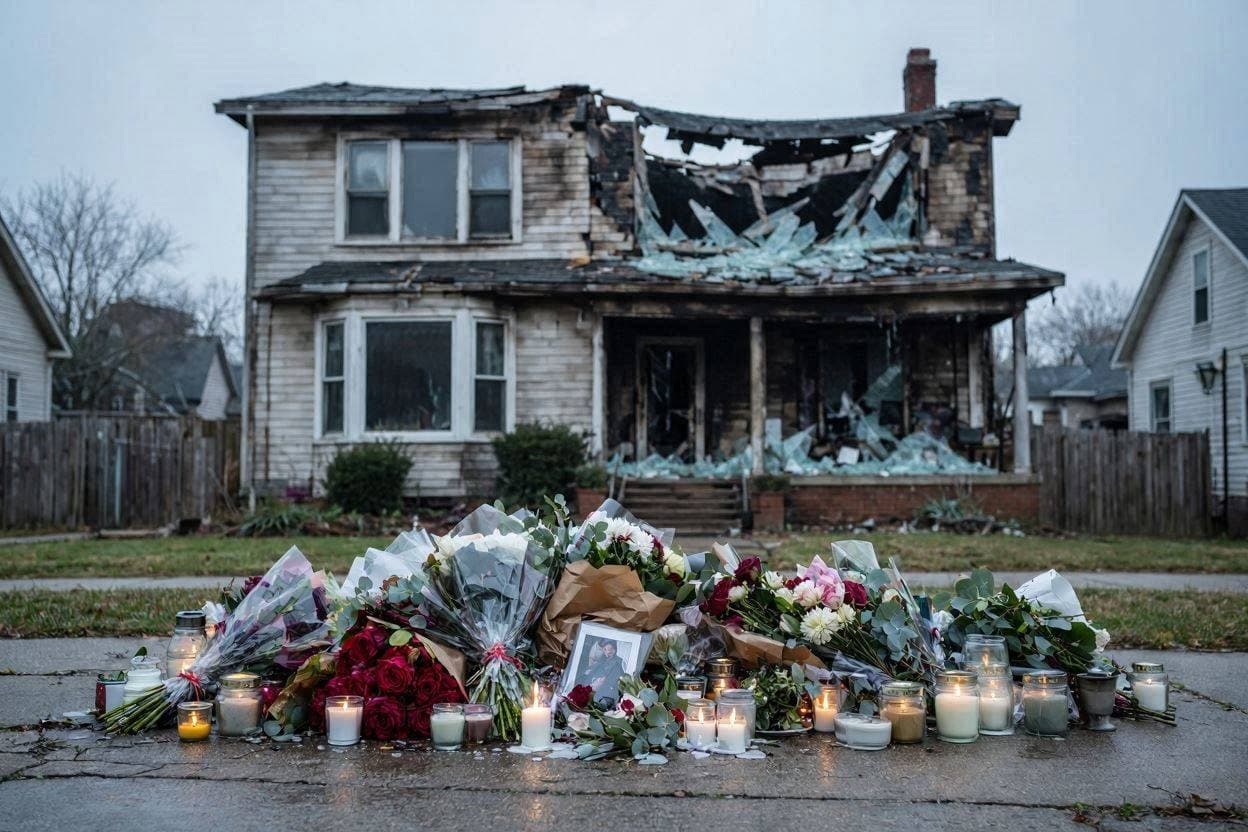
AI Image Disclaimer: The images associated with this article are AI-generated illustrations designed to represent the themes of wildfire disaster and community resilience.
Sources: The Seattle Times, King 5 News, Associated Press, CNN
Note: This article was published on BanxChange.com and is powered by the BXE Token on the XRP Ledger. For the latest articles and news, please visit BanxChange.com