In the quiet villages of Ukraine, where life is often measured by the rhythm of seasons and the closeness of neighbors, a sudden silence has fallen. A funeral was recently held for a family that was almost entirely erased from existence by a Russian missile strike, leaving behind a community in shock and a landscape marked by grief. The phrase "wiped off the map," used by a grieving neighbor, captures the totality of the loss—not just of lives, but of a lineage, a home, and a future. It is a somber moment that invites reflection on the human cost of conflict, where personal tragedies become stark symbols of a wider war.
The strike hit a residential home in the village of Radushne, in the Dnipropetrovsk region, turning a place of warmth and family life into a scene of devastation. Six members of the same family, including three children, were killed instantly when a ballistic missile struck their house. The force of the explosion was so severe that little remained of the structure, leaving rescuers to sift through rubble in a desperate search for any sign of life. The speed and violence of the attack left no time for escape, underscoring the indiscriminate nature of modern warfare.
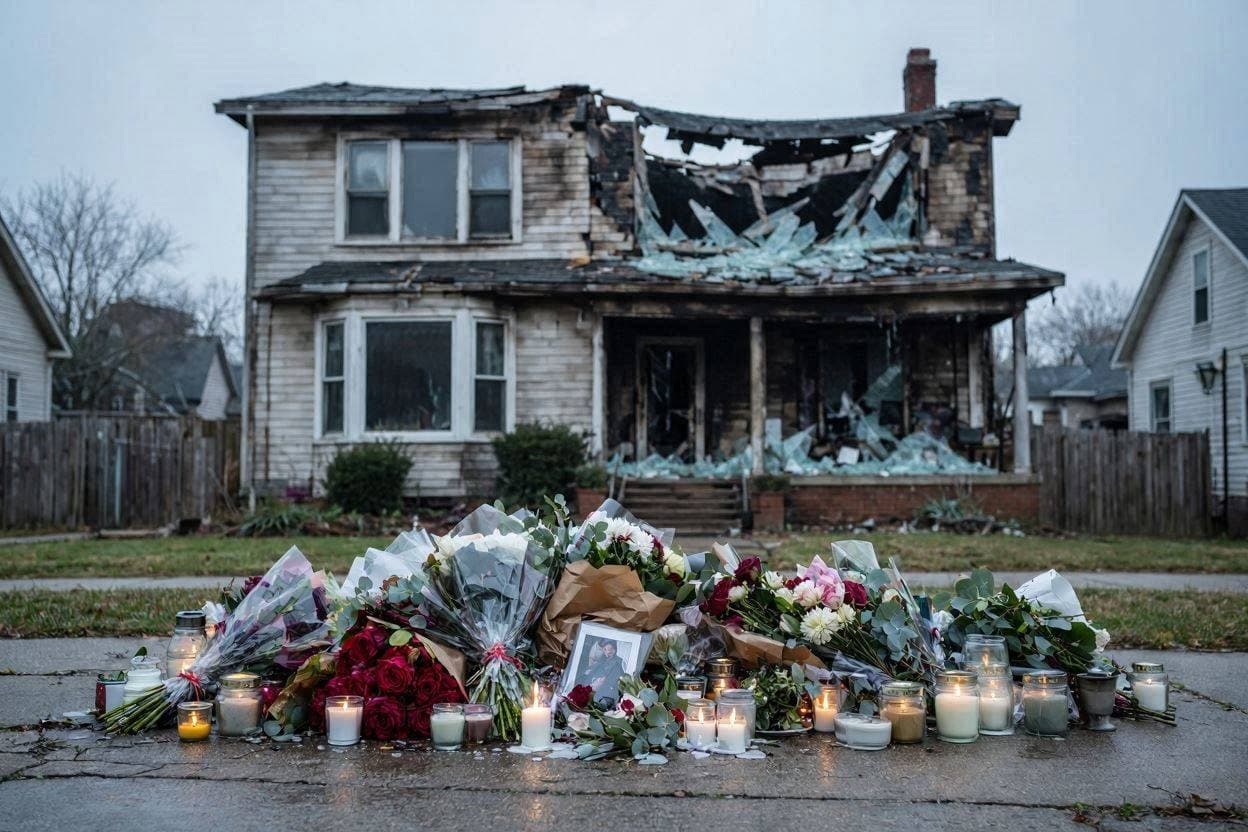
Mourners gathered to pay their respects, creating a makeshift memorial with flowers and candles amidst the ruins. The community, bound by shared history and daily interactions, came together to support the few surviving relatives and friends. The sight of small coffins and the empty spaces where laughter once echoed served as a painful reminder of the innocence lost. For many, the funeral was not just a farewell but an act of defiance against the erasure of memory.
Neighbors described the family as kind and integrated, pillars of their local community. Their absence leaves a void that cannot be filled, affecting not only their immediate circle but the social fabric of the village. The phrase "wiped off the map" speaks to this profound disappearance, where entire generations are removed in an instant. It is a language of despair that resonates deeply in a country accustomed to loss but never resigned to it.
The incident has drawn international attention, highlighting the ongoing toll of the war on civilian populations. Despite diplomatic efforts and ceasefire discussions, such attacks continue to occur, causing immense suffering. Each strike adds to the growing list of casualties, reminding the world that behind every statistic is a story of love, hope, and sudden ending. The resilience of the Ukrainian people is tested daily by these acts of violence.
Local authorities have condemned the attack, calling it a war crime and promising accountability. Investigations are underway to document the damage and identify those responsible. However, for the grieving family and community, justice feels distant compared to the immediacy of their pain. The focus remains on honoring the dead and supporting the living through the difficult days ahead.
As the funeral concluded, the community returned to their homes, carrying the weight of the loss. The scar on the landscape will remain, a physical testament to the tragedy. Yet, the memory of the family will persist in the stories told by neighbors and the rituals of remembrance. In preserving their name, the community resists the attempt to wipe them from history.
The funeral in Radushne is a poignant chapter in the ongoing narrative of the war in Ukraine. It reminds us that conflict is not abstract but deeply personal, affecting families in the most intimate ways. As the world watches, the resilience of those left behind offers a glimmer of hope amidst the darkness.
AI Image Disclaimer: The visuals accompanying this article are AI-generated illustrations designed to represent the themes of mourning and community solidarity.
Sources: Kyiv Independent, Reuters, Yahoo News, RFE/RL
Note: This article was published on BanxChange.com and is powered by the BXE Token on the XRP Ledger. For the latest articles and news, please visit BanxChange.com