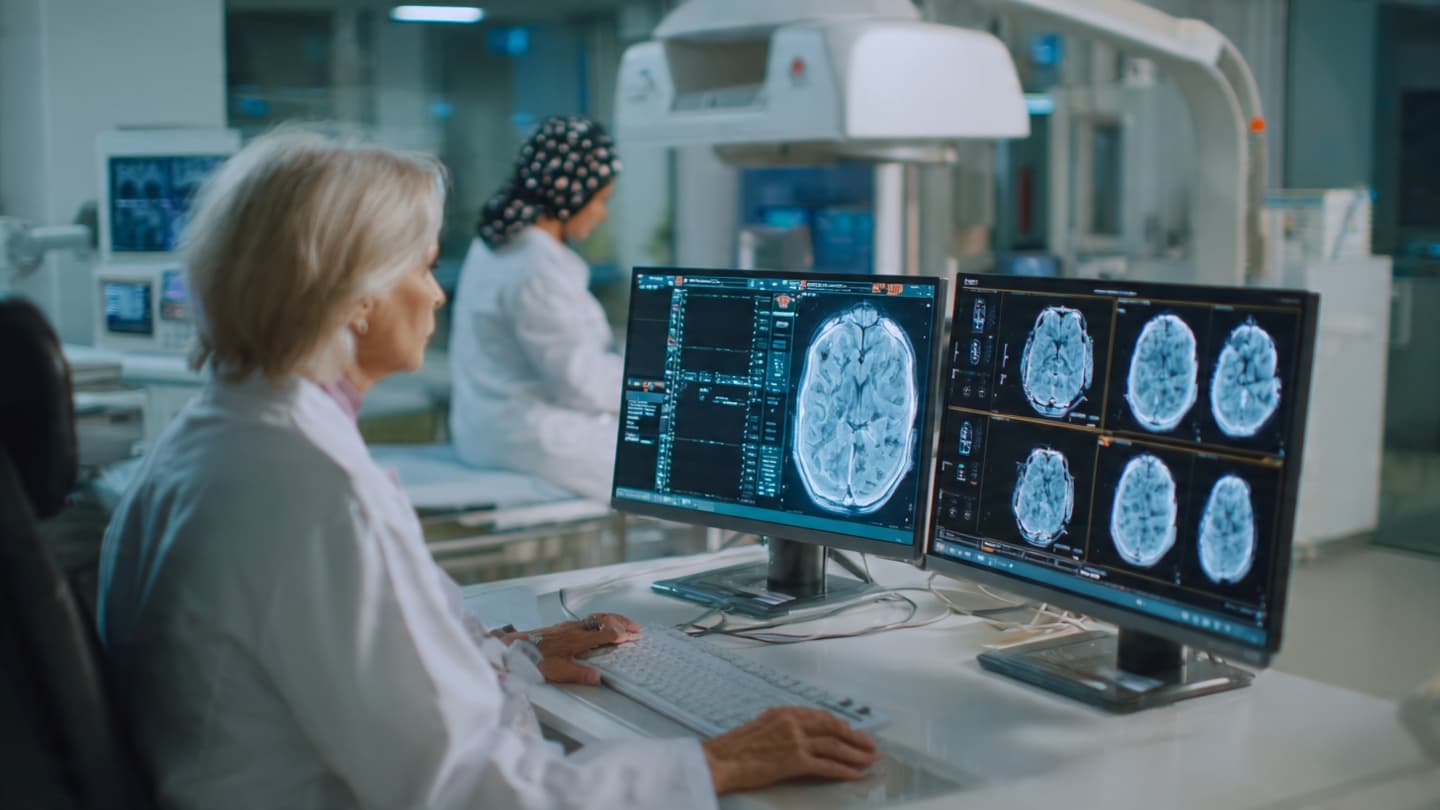
Many neurological diseases develop gradually, often years before obvious symptoms appear. For physicians and researchers, identifying these conditions earlier has become one of modern medicine's most important goals. New technologies aimed at detecting Parkinson's disease may help move that goal closer to reality.
Scientists around the world are developing innovative diagnostic tools capable of identifying subtle biological and behavioral changes associated with Parkinson's. Researchers believe earlier detection could significantly improve patient care and treatment planning.
Among the technologies under investigation are digital handwriting analysis systems, commonly known as smart pens. These devices can measure minute variations in writing patterns that may indicate early neurological changes.
Researchers are also studying biological markers found in bodily samples, including skin, blood, and earwax. Certain chemical signatures could potentially provide additional diagnostic clues long before traditional symptoms become pronounced.
Parkinson's disease affects movement, coordination, and other neurological functions. Symptoms often develop gradually, making early diagnosis challenging using conventional clinical approaches alone.
Experts caution that many of these emerging technologies remain under evaluation and are not yet widely available in routine healthcare settings. Large-scale studies are still necessary to confirm their reliability and accuracy.
Nevertheless, progress in artificial intelligence, sensor technology, and biomedical research has accelerated innovation in neurological diagnostics. Collaborative efforts between universities, hospitals, and technology companies continue to expand.
Researchers hope that combining multiple diagnostic approaches may eventually enable physicians to identify Parkinson's earlier, opening opportunities for timely interventions and improved quality of life.
AI Image Disclaimer: Images presented with this article are AI-generated editorial illustrations designed to visualize emerging medical technologies.
Source Verification Check: Science News, Reuters, Nature Medicine, Mayo Clinic, National Institutes of Health
Published by Banx Network. This article is part of the Banx decentralized media programme, powered by the BXE token on the XRP Ledger.