
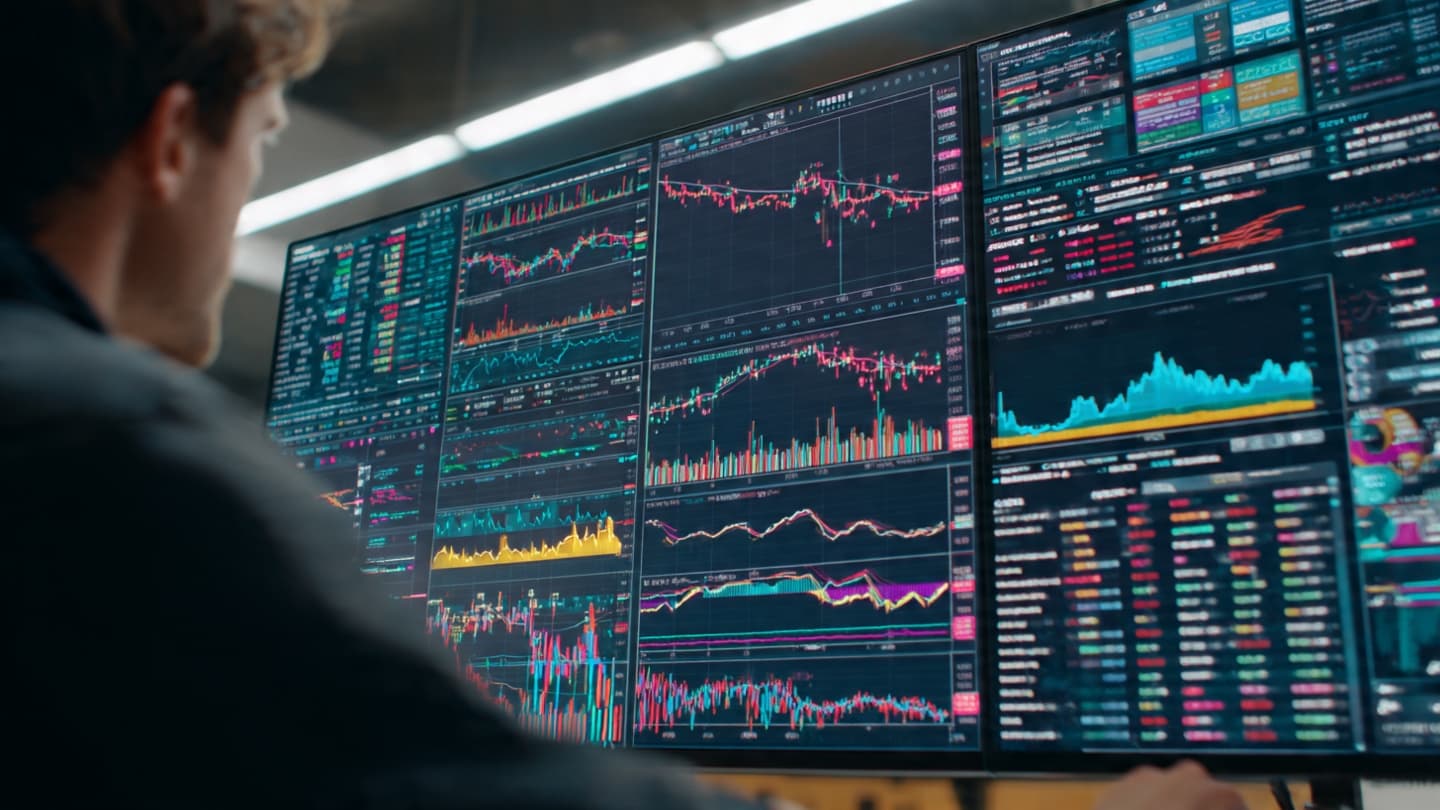
Financial markets often reveal how deeply global events shape individual behavior. During periods of geopolitical tension, investors large and small begin searching for ways to protect savings, pursue opportunity, or respond to uncertainty. In recent weeks, trading activity among retail investors in the United States has increased sharply as volatility linked to Middle Eastern tensions continues influencing global markets.
Analysts say many smaller investors have become more active amid rapid swings in energy prices, technology shares, and defense-related industries. Online trading platforms reported increased transaction volumes as market participants reacted to headlines involving regional conflict, diplomatic negotiations, and broader economic concerns.
Retail investing has grown substantially in the United States over the past decade, driven partly by mobile trading apps, easier market access, and the rise of financial discussion communities online. Millions of individuals now participate directly in stock trading from smartphones and home computers, changing the character of modern market activity.
Periods of uncertainty often encourage higher trading volumes because investors attempt to anticipate shifts in commodities, currencies, and corporate performance. Energy companies, shipping firms, and defense contractors have received particular attention as tensions surrounding the Middle East continue affecting oil market expectations.
Economists note that geopolitical crises can influence markets even when direct economic damage remains limited. Investor psychology plays a powerful role during uncertain periods, and rapid information flows through social media and financial news platforms can amplify emotional responses to international developments.
The recent surge in retail trading also reflects broader economic anxieties surrounding inflation, interest rates, and global supply chains. Rising energy prices linked to regional instability can affect transportation costs, consumer spending, and corporate profitability across multiple sectors of the economy.
While some investors seek short-term opportunities during volatile periods, financial advisers continue warning about the risks associated with emotionally driven trading decisions. Sudden market swings can produce substantial losses, particularly for inexperienced traders responding quickly to breaking news events.
At the institutional level, large investment firms and central banks are also closely monitoring developments. Bond yields, commodity markets, and currency fluctuations continue signaling cautious sentiment as investors assess the possibility of prolonged geopolitical instability.
For now, American retail investors remain highly engaged with global events unfolding far beyond domestic borders. The increase in trading activity serves as another reminder that modern financial markets are shaped not only by earnings reports and economic indicators, but also by the shifting political realities of an interconnected world.
AI Image Disclaimer: Some visual illustrations accompanying this article were generated using AI-assisted rendering for editorial purposes.
Sources: Reuters, Bloomberg, CNBC, Financial Times, The Wall Street Journal
Note: This article was published on BanxChange.com and is powered by the BXE Token on the XRP Ledger. For the latest articles and news, please visit BanxChange.com