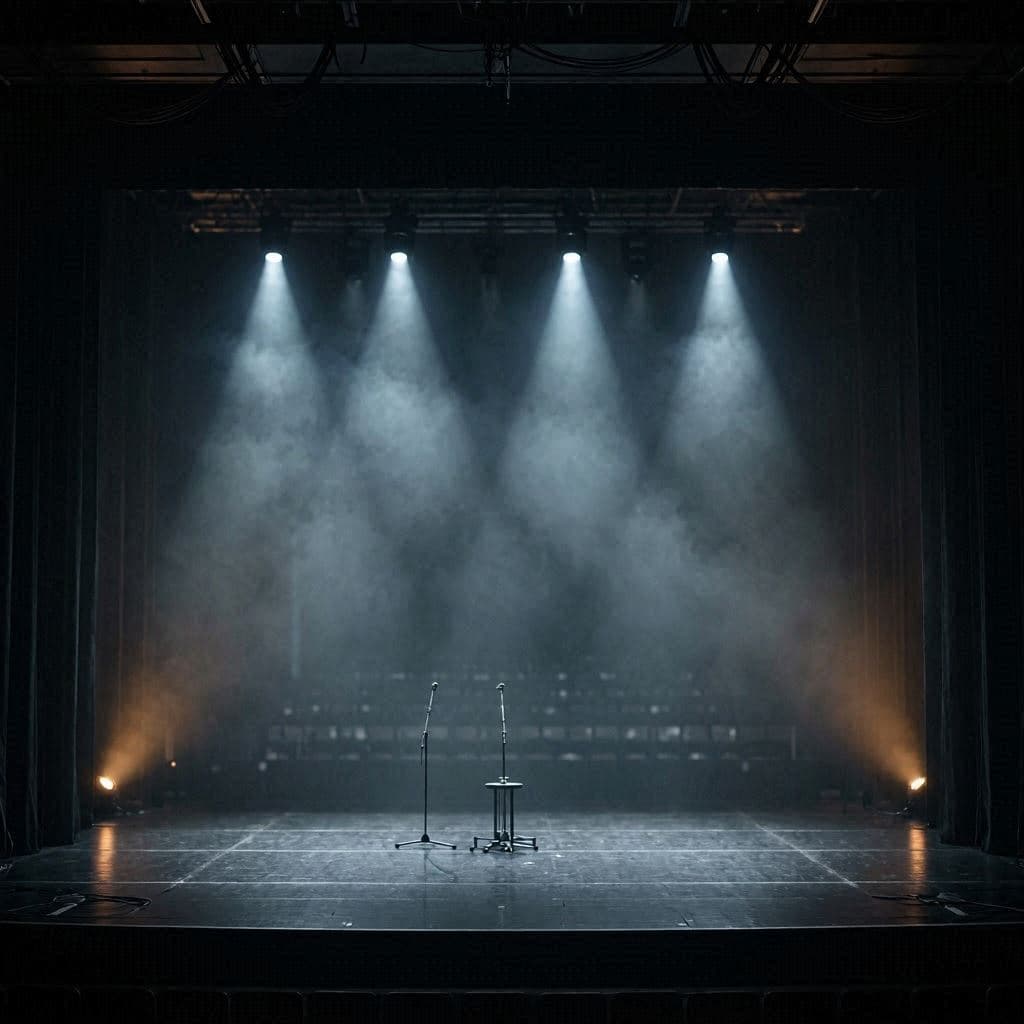
The stage has long been a place where borders dissolve, where music and art serve as universal languages that connect people across divides. Yet, recently, the curtain has fallen on several anticipated performances by international artists in the United States. Citing visa delays, rising costs, and concerns over political volatility, some musicians have chosen to skip U.S. tours entirely. This trend is not merely a logistical hiccup; it is a reflective moment for the cultural landscape, inviting us to consider how policy and perception can shape the flow of global creativity. It raises questions about accessibility, inclusivity, and the future of cross-cultural exchange in an increasingly complex world.
Body: The decision to withdraw from U.S. tours is often driven by a combination of factors. Visa processing times have lengthened, creating uncertainty for artists who must plan months in advance. The financial burden of legal fees and expedited processing can be prohibitive, especially for independent or emerging artists. For many, the risk of last-minute cancellations outweighs the potential rewards of performing in American venues. This calculus reflects a broader shift in how global talent navigates the American market.
Beyond bureaucracy, the political climate plays a significant role. Rhetoric surrounding immigration and border enforcement has created an atmosphere of unease for some international performers. Reports of detainments or heightened scrutiny at ports of entry contribute to a sense of vulnerability. Artists, who often rely on spontaneity and freedom of movement, may feel that the current environment is inhospitable to their craft. This perception, whether fully accurate or not, influences their willingness to engage with U.S. audiences.
The impact on the American arts sector is tangible. Festivals, clubs, and theaters that rely on diverse international lineups face gaps in their programming. Local economies that benefit from tourism associated with these events also feel the ripple effects. For fans, the absence of favorite global stars is a disappointment, limiting their exposure to different cultural perspectives. It is a loss that extends beyond entertainment, affecting the richness of communal experience.
However, not all artists are staying away. Many continue to tour, viewing the challenges as hurdles to be overcome rather than barriers. They adapt by securing visas earlier, hiring specialized legal counsel, or focusing on regions with more streamlined processes. Their resilience highlights the enduring appeal of the U.S. market and the determination of artists to connect with their audiences despite obstacles. It is a testament to the power of art to persist in difficult conditions.
The trend also sparks dialogue about reciprocity. While U.S. artists generally face fewer restrictions abroad, the experience of international performers in America highlights asymmetries in global mobility. This disparity invites reflection on how nations can foster more open and equitable cultural exchanges. Policies that facilitate artistic travel could enhance soft power and strengthen diplomatic ties through shared creative experiences.
For the artists who do choose to skip U.S. tours, the decision is often personal and pragmatic. They may redirect their efforts to other markets where they feel more welcome or where logistical hurdles are lower. This redistribution of talent enriches other regions, demonstrating that culture is fluid and adaptable. It reminds us that while the U.S. is a major hub, it is not the only stage for global expression.
As the situation evolves, stakeholders in the arts community are advocating for reforms. Simplifying visa processes, reducing costs, and ensuring fair treatment at borders are key demands. These changes could help restore confidence and encourage more international artists to include the U.S. in their touring schedules. It is a collaborative effort that requires attention from policymakers, industry leaders, and the public.
Closing: In the end, the decision of some international artists to skip U.S. tours is a signal of deeper structural and social currents. It calls for empathy, understanding, and proactive solutions. As we navigate this period, the hope is that we can create an environment where art flows freely, bridging divides rather than reinforcing them.
AI Image Disclaimer: Please note that any accompanying visuals for this narrative are artificially generated interpretations meant to evoke the spirit of the story, not documentary evidence.
Sources: NPR The New York Times Rolling Stone
Published by Banx Network. This article is part of the Banx decentralized media programme, powered by the BXE token on the XRP Ledger.