
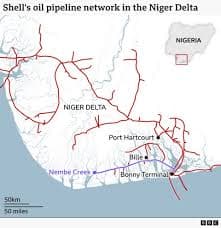
Newly uncovered documents indicate that Shell maintained operations on an oil pipeline in Nigeria for years, even amid mounting evidence of severe environmental pollution. Reports highlight that oil spills and contamination in the Niger Delta region have drastically affected local communities, raising urgent concerns about public health and ecological damage.
Shell, one of the largest energy companies in the world, has faced criticism for its environmental practices in Nigeria, where oil extraction has been linked to widespread degradation of water resources and farmland. The documents suggest that the company prioritized production and profits over the well-being of affected communities.
Local activists and environmental groups have long warned of the destructive impact of oil spills, which have contaminated drinking water and devastated local agriculture, leading to serious livelihood challenges for residents. The finding that Shell ignored these warnings amplifies calls for greater corporate responsibility and adherence to environmental regulations.
The revelations also point to a broader issue of governance and accountability in Nigeria's oil sector, where regulatory frameworks often falter. Advocacy groups are pushing for stricter enforcement of environmental laws and for companies like Shell to take accountability for their actions.
As scrutiny builds, Shell's operations in Nigeria are under increasing pressure from both local communities and international audiences demanding transparency and reparations. The case underscores the urgent need for stronger protections for the environment and for communities impacted by the oil industry, calling for a reevaluation of practices that compromise ecological integrity in pursuit of profit.
Note: This article was published on BanxChange.com and is powered by the BXE Token on the XRP Ledger. For the latest articles and news, please visit BanxChange.com