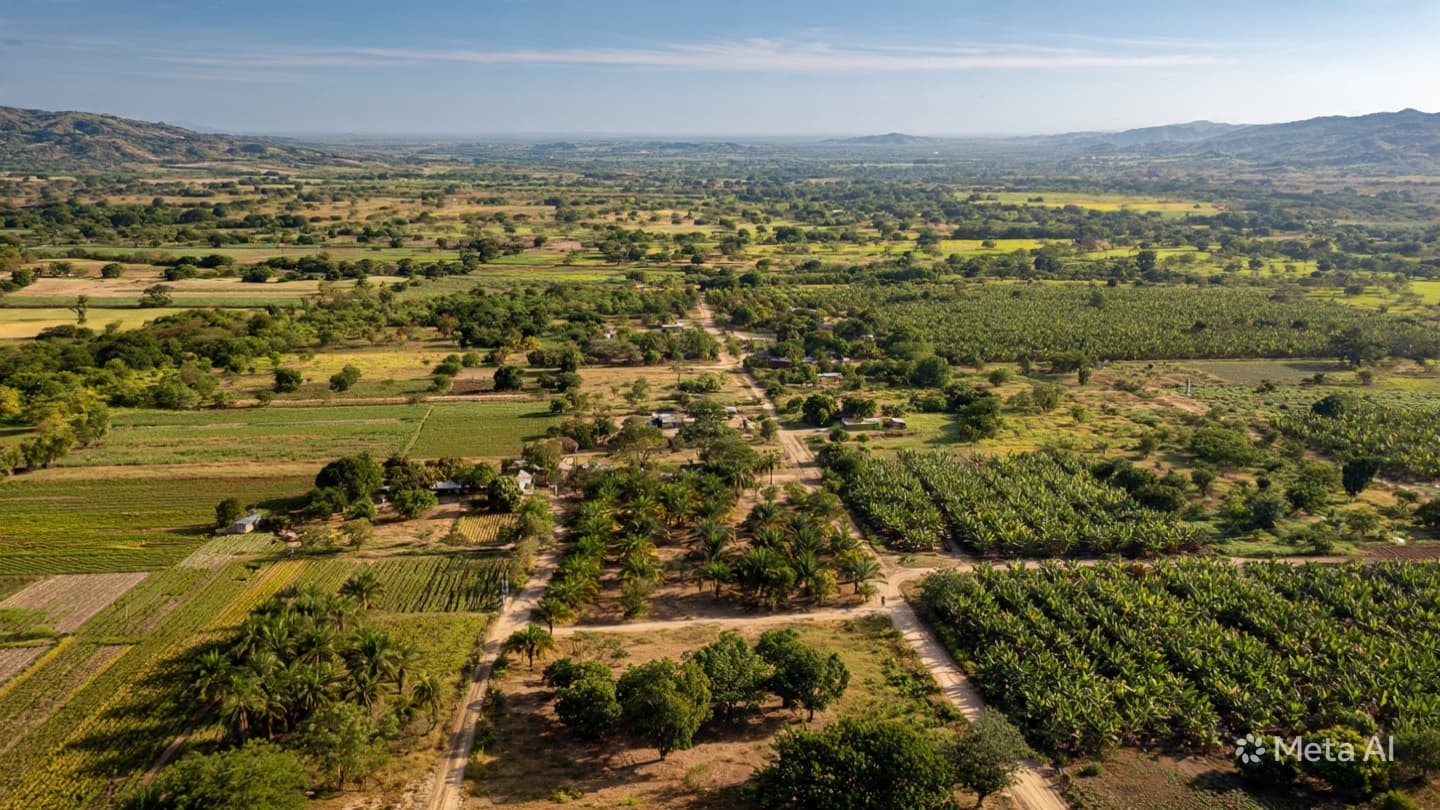
The northern regions of Honduras, often characterized by their agricultural vitality and the bustling transit of goods, have recently been marked by a series of events that challenge the very definition of communal peace. To look at these occurrences is to witness a profound rupture in the social fabric, where the violent silencing of lives leaves a landscape heavy with unease. It is a reality that tests the resilience of the residents and the capability of the institutions charged with maintaining order.
There is a somber, reflective atmosphere that settles over a community after the occurrence of a mass-casualty event. The familiar rhythms of the workday—the harvest, the commute, the interactions at the market—are interrupted by a silence that speaks of profound tragedy. To observe this is to recognize that violence does not merely end a life; it fractures the sense of security that allows a society to function, leaving a lingering impact that spans generations.
The pursuit of justice in these instances is a long and arduous process, one that often feels distant from the immediate, visceral grief of the families affected. The work of law enforcement, while critical to the eventual resolution, operates against a backdrop of deep-seated societal challenges that are not easily addressed. It is a process of assembling fragments—evidence, testimonies, and reports—in an attempt to bring a measure of clarity to a moment that defied the most basic expectations of safety.
Reflecting on the nature of this violence requires a recognition of its complexity. It is rarely the result of a single factor, but rather a confluence of social, economic, and security-related issues that converge to create a volatile environment. The northern provinces, being both a hub of industry and a transit point for broader regional movements, bear the weight of these pressures in a way that is uniquely acute, demanding a level of focus that goes beyond the immediate response.
The national discourse surrounding security is often dominated by calls for firmer control and more rigorous intervention. While the presence of security forces is a visible marker of the state’s commitment, there is a quieter, more essential dialogue regarding the long-term needs of the people. It is a conversation about trust, about the restoration of civil society, and about ensuring that the future of these communities is not defined by the repetition of such tragedies.
Ultimately, we are left to witness the endurance of the human spirit in the face of persistent adversity. The residents of the northern plains, despite the shadows cast by the most recent events, continue to move forward, their daily lives a quiet testament to their refusal to be defined by the violence that surrounds them. It is a profound, stoic dignity that deserves recognition, even as the search for accountability continues.
As the authorities continue their investigations, the community remains in a state of watchful waiting. There is a collective hope for the restoration of peace, for the clearing of the air, and for a return to the normalcy that allows for the pursuit of a stable future. Until then, the memory of those lost serves as a silent guide, prompting a deeper commitment to the safety and well-being of all who call this land home.
Law enforcement agencies in northern Honduras have launched comprehensive investigations into several incidents involving multiple homicides. Authorities are coordinating across local and national levels to process evidence and identify the groups responsible for the recent increase in violence. Government officials have emphasized their commitment to stabilizing the affected municipalities and ensuring that the perpetrators are brought to justice through established legal procedures.
Published by Banx Network. This article is part of the Banx decentralized media programme, powered by the BXE token on the XRP Ledger.
.jpg&w=3840&q=75 "Israeli Defense Chief Renews Threat to Punish Gaza Over Kite Launches")