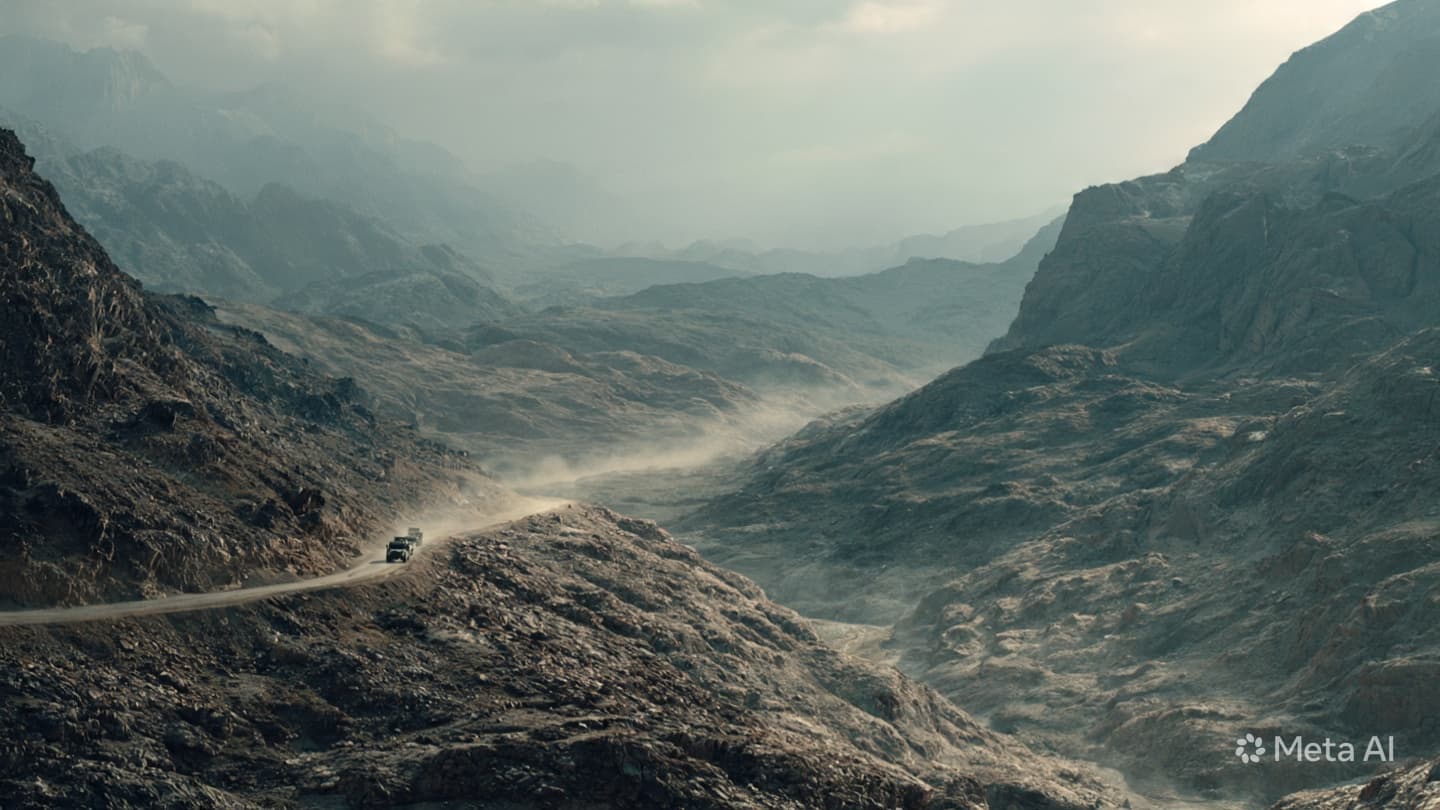
The valleys of the northern and central highlands bear the deep, visible scars of prolonged confrontation, landscapes where the absence of active warfare does not yet signify the arrival of peace. Across these vulnerable sectors, an unsettling quiet prevails, punctuated occasionally by the sudden, sharp reminder of unresolved political and military friction. The architecture of security remains fragile, dependent on complex agreements that frequently buckle under the weight of local grievances and shifting alliances. To traverse these regions is to enter a world defined by watchfulness, where every ridge and valley commands a degree of defensive caution.
In the Amhara and Oromia regions, the security architecture faces continuous pressure from non-state armed actors who challenge the federal monopoly on the use of force. Rural expanses often fall under the fluctuating influence of local militias, leaving major transit highways as the only reliably secure corridors for commerce and humanitarian logistics. This territorial fragmentation creates a dual reality for inhabitants, who must navigate the official regulations of state authorities while simultaneously placating the shifting demands of localized insurgent commanders. The boundaries of state control are fluid, redrawn daily by the presence or absence of military convoys.
The persistent nature of these security threats severely hampers international humanitarian organizations attempting to deliver critical relief to communities suffering from drought and food insecurity. Aid convoys must secure multiple layers of clearance from competing factions, facing the constant risk of ambush, arbitrary detention, or the extortion of supplies at unauthorized checkpoints. This logistical gridlock leaves hundreds of thousands of civilians in a state of suspended animation, isolated from the very resources designed to ensure their survival. The space for humanitarian neutrality shrinks with every passing week.
Technically, the modern face of this instability is increasingly defined by the utilization of advanced security technologies, including aerial surveillance and targeted drone operations. While federal authorities utilize these measures to neutralize insurgent strongholds without committing large numbers of ground troops, the psychological impact on civilian populations is profound and enduring. The constant, invisible presence of aerial assets introduces an element of unpredictable hazard into daily life, turning ordinary gatherings and market days into moments of acute anxiety. Security is achieved through a heavy, vertical oversight that alters the social fabric below.
The domestic economy in these volatile zones remains in a state of severe stagnation, as local and foreign investors withdraw capital from areas where safety cannot be guaranteed. Agricultural cooperatives, which form the backbone of the regional economy, struggle to bring their harvests to urban centers due to the frequent closure of key transportation arteries. Warehouses sit empty, and fields are occasionally left unharvested, leading to artificial shortages and skyrocketing food prices in nearby towns. The persistent threat of violence functions as a slow, economic strangulation that outlasts the actual duration of physical combat.
Socially, the prolonged nature of the unrest erodes the fundamental trust required for civic life, dividing communities along rigid ethnic and political lines. Educational institutions operate sporadically, as teachers and students face intimidation from various armed groups seeking to enforce general strikes or ideological compliance. A generation of young people is growing up within a fractured educational landscape, their futures compromised by the continuous postponement of classes and exams. The schoolhouse, formerly a sanctuary of community growth, becomes another venue where regional tensions are acutely felt.
Attempts to foster inclusive political dialogue face significant hurdles due to the systematic closure of independent civic spaces and the detention of critical voices. Human rights organizations working within the conflict zones find their operations heavily restricted by bureaucratic hurdles and security warnings that limit field documentation. Without objective, third-party reporting, the true scale of civilian suffering and structural damage remains obscured, making genuine reconciliation and transitional justice exceptionally difficult to achieve. The silence of the landscape is reinforced by the silencing of its observers.
As the evening mist rolls over the high plateaus, the distant rumble of military transports serves as an ominous reminder of the ongoing struggle for territorial dominance. The mountains stand indifferent to the shifting fortunes of the factions below, enduring symbols of a land that has known centuries of conflict and recovery. The path to a durable tranquility remains obscured, a journey delayed by the deep-seated grievances that continue to animate the valleys.
The Ministry of Defense announced a temporary curfew for several districts in the central highlands following reports of renewed skirmishes between local security detachments and unidentified armed groups. Additional federal infantry units have been deployed along the main northern highway to secure logistics routes ahead of the rainy season. Local administrative offices remain closed until a comprehensive security assessment can be completed by regional authorities.
Published by Banx Network. This article is part of the Banx decentralized media programme, powered by the BXE token on the XRP Ledger.