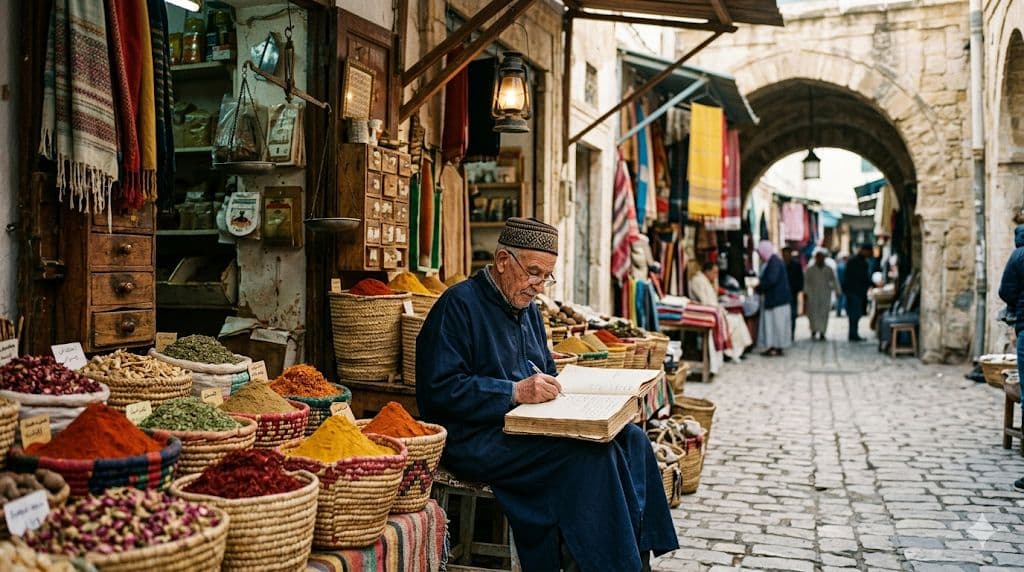
The Mediterranean breeze carries the scent of salt and jasmine through the narrow, winding alleys of the Tunis medina, but beneath the familiar sensory tapestry lies a quiet, ambient anxiety. In the markets where spices are piled high and textiles catch the shifting light, the daily conversations are increasingly dominated by the silent mathematics of survival. The numbers calculated on small paper ledgers and whispered between merchants carry a heavy significance. It is the subtle, unfolding story of an economy navigating a season of persistent inflationary pressures, where every dinar must stretch a little further than it did the season before. For months, the domestic atmosphere has been shaped by these gradual, compounding increases in the cost of basic goods and everyday necessities. While the abstract charts of economists speak of percentages and shifting indices, the human reality is measured in the careful choices made at the dinner table. The price of food, clothing, and warm hospitality has crept upward, transforming the ordinary acts of communal life into moments of deliberate calculation. There is no dramatic collapse, but rather a slow, wearing tide that requires constant adaptation from families striving to maintain their traditional quality of life. The Central Bank of Tunisia has maintained a watchful, cautious stance, holding its key interest rate steady at seven percent in an effort to anchor the fluctuating currency. This monetary vigilance represents a quiet barrier against more volatile market forces, seeking a delicate equilibrium between dampening inflation and allowing the local economy room to breathe. Yet, the task remains complex, as a significant portion of the inflationary pressure originates far beyond the nation’s borders, imported through the global supply chains of energy and essential grain. It is a reminder of how deeply the domestic hearth is tied to the unpredictable winds of international commerce. In the quiet corners of cafes and residential neighborhoods, the discussion often turns to the concept of purchasing power and the widening gap between wages and realities. Recent statistical indicators suggest a relative stabilization of the inflation rate around five and a half percent, yet the lived experience of this plateau is rarely one of immediate relief. A stabilization of prices does not imply their decline; it merely signifies that the mountain is growing taller at a less aggressive pace. For the middle class and wage earners, the weight of the accumulated increases remains a constant, palpable presence in daily life. Experts who observe these patterns suggest that true relief will require a multifaceted approach, extending far beyond the adjustment of interest rates or monetary metrics. There are quiet calls for a thoughtful restructuring of the distribution systems and a potential reduction of the tax burden on those who form the economic backbone of the nation. The dialogue is moving toward long-term structural resilience, focusing on how to transform macroeconomic adjustments into tangible, felt improvements for the average citizen. It is a slow, meditative process of policy revaluation that avoids hasty promises. Amid these pressures, the Tunisian economic landscape also reveals a remarkable, quiet endurance, rooted in centuries of overcoming adverse trading climates. Local businesses are finding innovative ways to manage inventory, streamline operations, and support their communities through communal solidarity networks. The market stalls remain open, the vendors continue their rhythmic calls, and the essential fabric of daily commerce persists despite the financial friction. It is a testament to a deeply ingrained cultural resilience that refuses to be defined solely by the cold metrics of hardship. The international environment continues to present a shifting backdrop, with global food price indices showing persistent upward trends that ripple through import-dependent nations. For a country that relies significantly on external sources for its fuel and wheat, these global fluctuations act as a quiet, recurring reminder of the necessity of self-reliance. The conversation is gradually shifting toward enhancing domestic agricultural output and accelerating the transition toward sovereign renewable energy systems, such as the major ELMED electricity interconnector project. These forward-looking initiatives represent a quiet defiance against external volatility. As the sun sets over the Lake of Tunis, casting long shadows across the modern financial districts and ancient quarters alike, the focus remains on the quiet balance of the future. The economic journey ahead is recognized as a marathon rather than a sprint, requiring patience, precise policy calibration, and a deep understanding of the human element behind the statistics. The numbers will continue to fluctuate on the boards of the exchange, but the true measure of success will be found in the return of effortless ease to the morning markets. In practical terms, the state statistics institute confirmed that the annual inflation rate held steady at 5.5 percent through the end of May, driven primarily by an 8.2 percent rise in food and beverage costs. The price index for clothing and hospitality services also maintained an upward trajectory, increasing by over nine percent compared to the previous year. To counter these persistent domestic pressures, financial authorities have reiterated their commitment to rigorous market monitoring and targeted supply chain interventions. The immediate policy focus centers on stabilizing core commodity distributions to prevent further consumer price volatility.
Published by Banx Network. This article is part of the Banx decentralized media programme, powered by the BXE token on the XRP Ledger.