
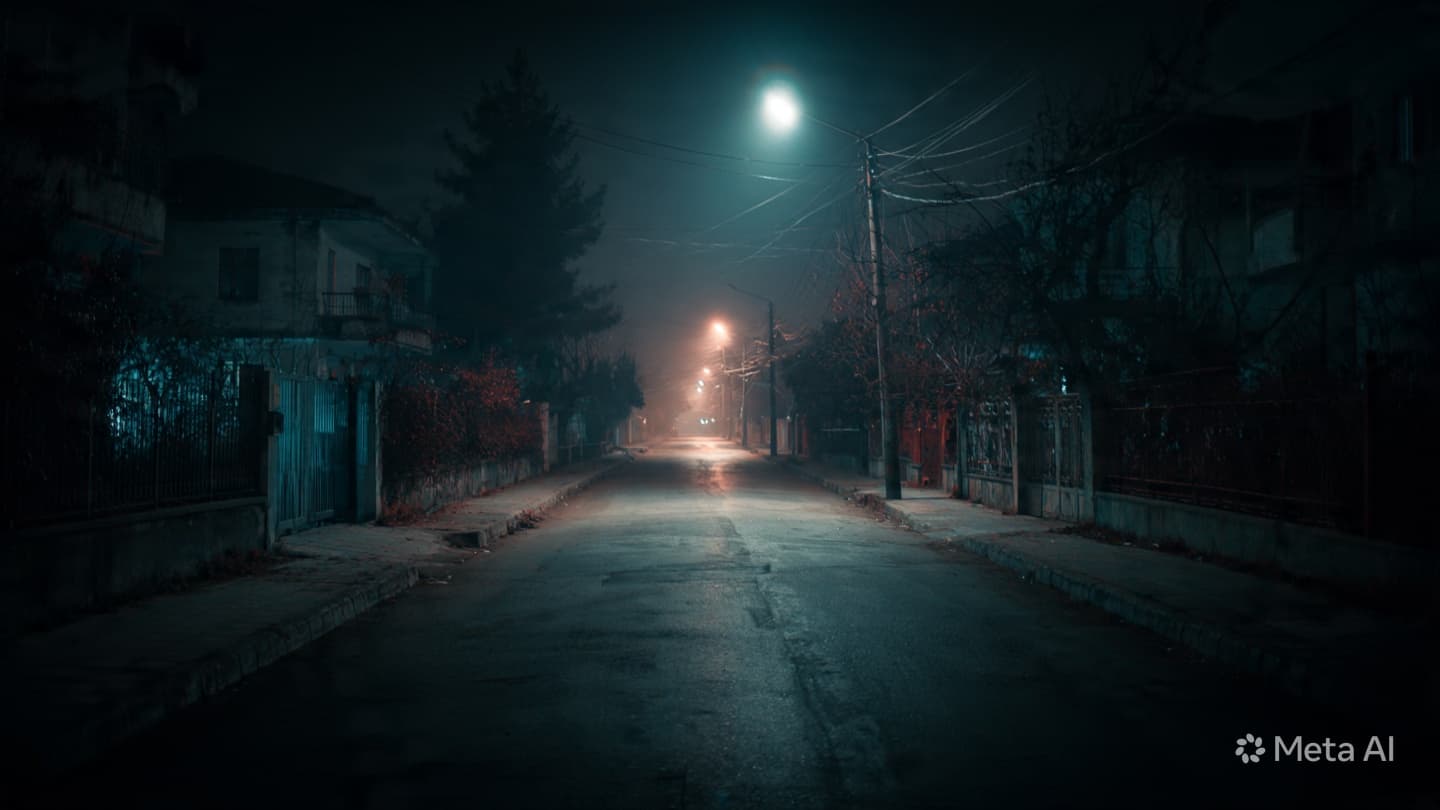
In the quiet, suburban sprawl of Tirana, where the city’s ambition slowly gives way to the stillness of residential life, a sudden, violent act has disrupted the night. The discovery of a life ended by gunfire in these familiar surroundings is a jarring intrusion of chaos into the mundane safety of the neighborhood. It is a moment that demands a reflective pause, asking us to consider how quickly the fabric of our everyday security can be torn by the unseen movements of those who operate in the dark. The manhunt, currently underway, serves as a testament to the city’s resolve to reclaim this space and to identify the hand that shattered its peace.
The neighborhood, typically a place of domestic stability, now wears the heavy, invisible cloak of a crime scene. One reflects on the juxtaposition of the ordinary—the quiet streets, the darkened windows, the routine of late-night life—against the stark finality of a shooting. This is the reality of urban life, where the anonymity of the city can become a shield for the unpredictable. As the authorities scour the area, moving with the systematic intensity of those tasked with restoring order, the residents are left to grapple with the realization that their sense of safety is, at best, a fragile and tentative construct.
As the manhunt unfolds, the focus shifts to the person or persons responsible for this act. It is a search not just for an individual, but for the motive—the why that always haunts these occurrences. The investigation, characterized by its urgency and its reliance on the small, hidden details, is a necessary response to an event that has deeply unsettled the community. For the city at large, the Tirana Times report serves as a somber record of the loss, a reminder that every suburban neighborhood is a part of a larger, often turbulent, whole.
One must consider the life that was lost, the personal history that has been irrevocably silenced by a single, violent decision. The victim, in this context, is more than a statistic in an investigation; they are a person whose absence leaves a permanent, aching void in the community. The manhunt is the process through which the state seeks to provide justice, not only for the deceased but for the society that feels its fundamental rights have been violated. It is a process that requires the collective patience of those who wait for the news of an arrest, hoping that the disruption will soon be brought to a quiet close.
The atmosphere in the affected neighborhood remains one of subdued tension, with residents watching and waiting as the law takes its course. The city’s authorities are engaged in a delicate, methodical dance—gathering evidence, checking surveillance, and piecing together the timeline of the final, fateful minutes. There is no sensationalism in this, only the grim, steady progression toward truth. It is a reminder that in the face of such violence, the strength of the community lies in its cooperation and its refusal to let the event define the future of their shared space.
Reflecting on the broader implications, one must acknowledge the inherent challenges of maintaining safety in a growing, evolving capital. The shooting serves as a catalyst for deeper discussions about the pressures that manifest as violence, the importance of vigilance, and the role of the neighborhood in fostering a sense of mutual protection. As the manhunt continues, the city remains a watchful observer, hoping that the light of justice will eventually illuminate the reasons behind this tragedy, providing a semblance of closure to a community that has been deeply, and unexpectedly, touched.
Ultimately, the resolution of this investigation will mark a return to the quiet, predictable rhythm of the neighborhood. The manhunt will reach its conclusion, the perpetrator will be identified, and the city will continue to move forward, but the memory of the shooting will linger in the periphery of the consciousness of those who live there. It is a story of a moment captured in the dark, a tragedy that has left a mark, but one that the community is determined to process and eventually overcome, ensuring that the Tirana night remains a place of rest rather than one of fear.
Note: This article was published on BanxChange.com and is powered by the BXE Token on the XRP Ledger. For the latest articles and news, please visit BanxChange.com