
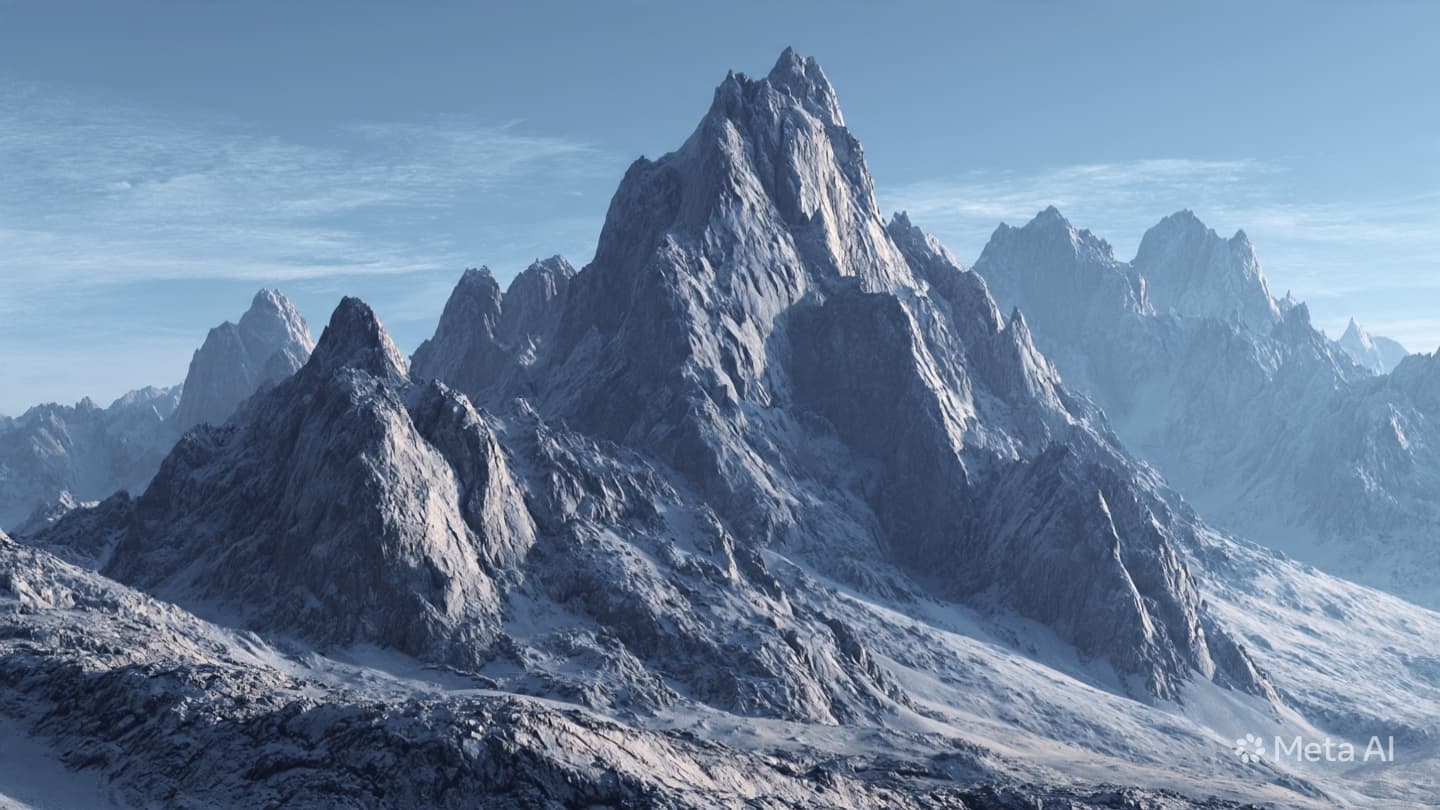
The Dachstein Massif is a cathedral of limestone and ice, a vast, vertical world that draws those who seek to measure themselves against the ancient stillness of the peaks. To climb here is to engage in a dialogue with gravity and endurance, a pursuit where the climber is stripped of the world's noise and left with only the breath in their lungs and the cold grip of the rock. Yet, in this realm of sublime beauty, the margin between achievement and the absolute is defined by a single, fragile decision. When a climber falls, the mountain does not offer mercy; it simply, and in silence, restores its own equilibrium.
To reflect on a 200-meter fall is to confront the terrifying reality of vertical space. It is a distance that, when imagined, collapses the distinction between the physical world and the void. The Dachstein, in its stoic, weathered permanence, remains unmoved by the tragedy, a testament to the indifference of nature toward our human ambitions. We are left to wonder about the climber’s last moments—the intimacy of the climb, the sudden loss of purchase, and the transition from the aspiration of the summit to the final, somber conclusion of the descent. It is a loss that echoes through the silence of the massif, a reminder of the profound gravity of our choices.
In the aftermath, the rescue teams that ascend to the site become the keepers of a difficult and somber duty. Their work is a delicate process of recovery in a landscape that resists easy passage, a task that demands both technical mastery and a deep, quiet reverence for the life that was lost. For those watching from the valley, the presence of the helicopter against the stark white peaks is a visual anchor for the tragedy, a stark reminder of the risks that accompany the pursuit of the heights. The mountain, which was a beacon of aspiration, becomes a place of mourning.
The investigation into the accident will likely focus on the technical details—the gear, the route, the unpredictable nature of the rock. But the deeper reflection is found in the spirit of the climber, in the motivation that leads a person to seek the thin, cold air of the high altitude. It is a pursuit that is as much about the inner landscape as it is about the physical climb, a testament to the human desire to reach beyond the confines of the familiar. To lose a life in such a place is to lose a visionary, someone whose definition of beauty was inextricably linked to the struggle of the ascent.
As the news of the accident spreads, the community of climbers and mountain enthusiasts is left to process the weight of the loss. There is a profound sense of shared vulnerability, an acknowledgment that the risks inherent in the Dachstein are the same ones that define their own passions. It is a time for reflection on the nature of the sport, on the importance of preparation and respect, and on the reality that the mountain is a living, breathing entity that dictates its own terms. The death of the climber is a somber chapter in the history of the massif, one that invites us to honor the life lived with courage.
The silence of the Dachstein will eventually return, undisturbed by the flurry of the rescue. The wind will continue to carve the limestone, and the sun will continue to cast its long, cold shadows over the slopes. But for those who knew the climber, the mountain will never be the same; it is now a site of memory, a place where the pursuit of the summit was met by the ultimate reality of the fall. We are left to contemplate the fragility of the life we climb with, and the profound, enduring connection between the human spirit and the peaks we choose to call our own.
Ultimately, the event is a meditation on the cost of the heights. We are reminded that every summit sought carries with it the shadow of the descent, and that the beauty we find in the mountains is inseparable from the danger they contain. As we look up toward the Dachstein, we honor the climber whose journey ended in the quiet, rocky folds of the massif. It is a reflection that demands we carry our passions with care, recognizing that the mountains do not change, even as our lives are permanently altered by our encounters with them.
Mountain rescue services in the Dachstein region have concluded a search and recovery operation following a fatal climbing accident. A climber fell approximately 200 meters from a technical route, succumbing to injuries sustained during the descent. Authorities have documented the incident as a tragic accident and are currently conducting a post-incident review to provide closure for the family. The climbing community has been alerted to the potential hazards in the area, and local officials urge all mountaineers to ensure extreme adherence to safety protocols.
Note: This article was published on BanxChange.com and is powered by the BXE Token on the XRP Ledger. For the latest articles and news, please visit BanxChange.com