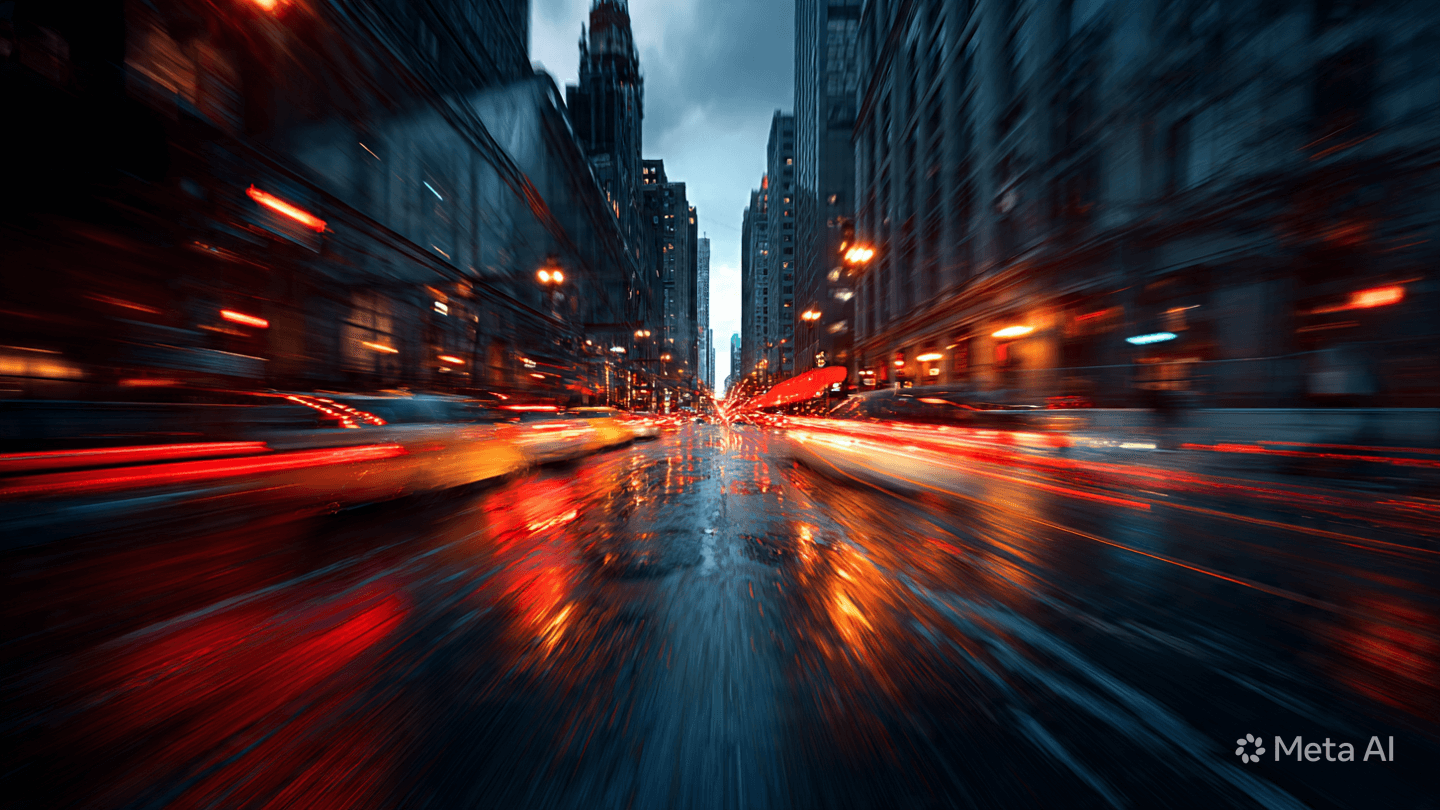
The open road, with its asphalt arteries cutting through the landscape, is often perceived as a conduit of freedom, an invitation to traverse the world at the pace of our choosing. Yet, there is a hidden, underlying tension in this mobility, a quiet agreement between the driver and the road that is too often broken in the pursuit of haste. When we speak of traffic fatalities, we are navigating a landscape marked by the collision of human intent and the immutable laws of physics. The recent rise in local incidents brings into sharp relief the cost of speed—a factor that turns the simple act of movement into a precarious, and sometimes final, encounter with the environment.
At its core, the relationship between speed and safety is one of diminishing returns. As the needle climbs, the world outside the windshield begins to lose its definition, and the margin for error narrows to a razor’s edge. It is a paradox of modern life: our vehicles are engineered for comfort and poise, yet they are wielded in environments where the infrastructure often cannot compensate for the energy inherent in rapid motion. When a collision occurs at elevated speeds, the impact is not merely a redirection of force but a fundamental rupture of the safety that our road systems are meant to provide.
The recent surge in local traffic fatalities has served as a somber focus for law enforcement and urban planners. Investigators, tasked with deciphering the moments leading up to these tragedies, consistently point to the same culprit: the velocity at which the journey was unfolding. It is a sobering observation that transcends individual stories. Behind the numbers lies a narrative of late appointments, the frustration of congestion, and the dangerous illusion that speed can somehow reclaim the time lost to the demands of our schedules.
Speeding is rarely an isolated act; it is often the physical manifestation of a larger, systemic impatience. In the isolation of the cabin, the driver is detached from the world they pass through, turning the road into a series of gaps to be closed rather than a shared space to be navigated. This detachment leads to a blurring of responsibility, where the presence of others—pedestrians, cyclists, or fellow motorists—becomes secondary to the goal of progress. It is a psychological state that ignores the inherent fragility of the human form in the path of kinetic energy.
Even in areas where limits are clearly marked, the reality of the road often defies the posted sign. Weather, visibility, and the state of the infrastructure itself all play a role in whether a specific speed is truly safe, yet these variables are frequently overlooked in the haste to arrive. The result is a landscape where safety is treated as a suggestion rather than a requirement. Law enforcement efforts, including the implementation of speed safety cameras and increased patrols, are essential responses, but they also highlight the difficulty of regulating behavior that has become deeply ingrained in the culture of the road.
There is also a broader, reflective question regarding why speed has become so entwined with our daily movement. Is it a reflection of a society that increasingly measures success by the velocity of its accomplishments? When the pressure to perform intensifies, the road becomes an extension of that performance, a place where time is the primary commodity and the risk of loss is a gamble that many seem willing to take. This culture of acceleration makes the road a hazardous stage, where the pursuit of efficiency frequently comes at the highest possible price.
As the investigation into these local fatalities continues, the goal of officials is to foster a more intentional relationship with the road. This involves more than just the enforcement of laws; it necessitates a shift in the way we perceive the time we spend in transit. By slowing down, we allow ourselves the necessary space to perceive the environment, to react to the unexpected, and to acknowledge the shared vulnerability of every person on the street. It is an act of reclaiming the road as a shared, civilized space rather than a battleground for the fastest route.
The movement toward safer streets is a collective undertaking, one that requires both structural changes and a personal commitment to restraint. From the implementation of traffic-calming measures to the simple act of leaving for a destination with time to spare, every adjustment contributes to a more stable and humane environment. The goal is to move from a culture defined by the rush of the moment to one where the safety of the journey is the primary success. In this, the road itself may once again become a place of transit rather than a scene of recurring, preventable tragedy.
Recent data from regional police and transportation safety boards identify high-speed driving as the primary contributing factor in a significant percentage of local traffic fatalities throughout 2026. Officials report that speeding reduces driver reaction time and exponentially increases the severity of collisions. Law enforcement agencies have responded by increasing speed enforcement and safety monitoring, citing a direct correlation between lower travel speeds and improved survival rates in motor vehicle accidents. The public is urged to adhere to posted limits and drive according to prevailing road conditions.
Published by Banx Network. This article is part of the Banx decentralized media programme, powered by the BXE token on the XRP Ledger.

.jpg&w=3840&q=75 "Intelligence Agencies Suspect Russia Is Developing Anti-Satellite Weapon to Target Starlink")