
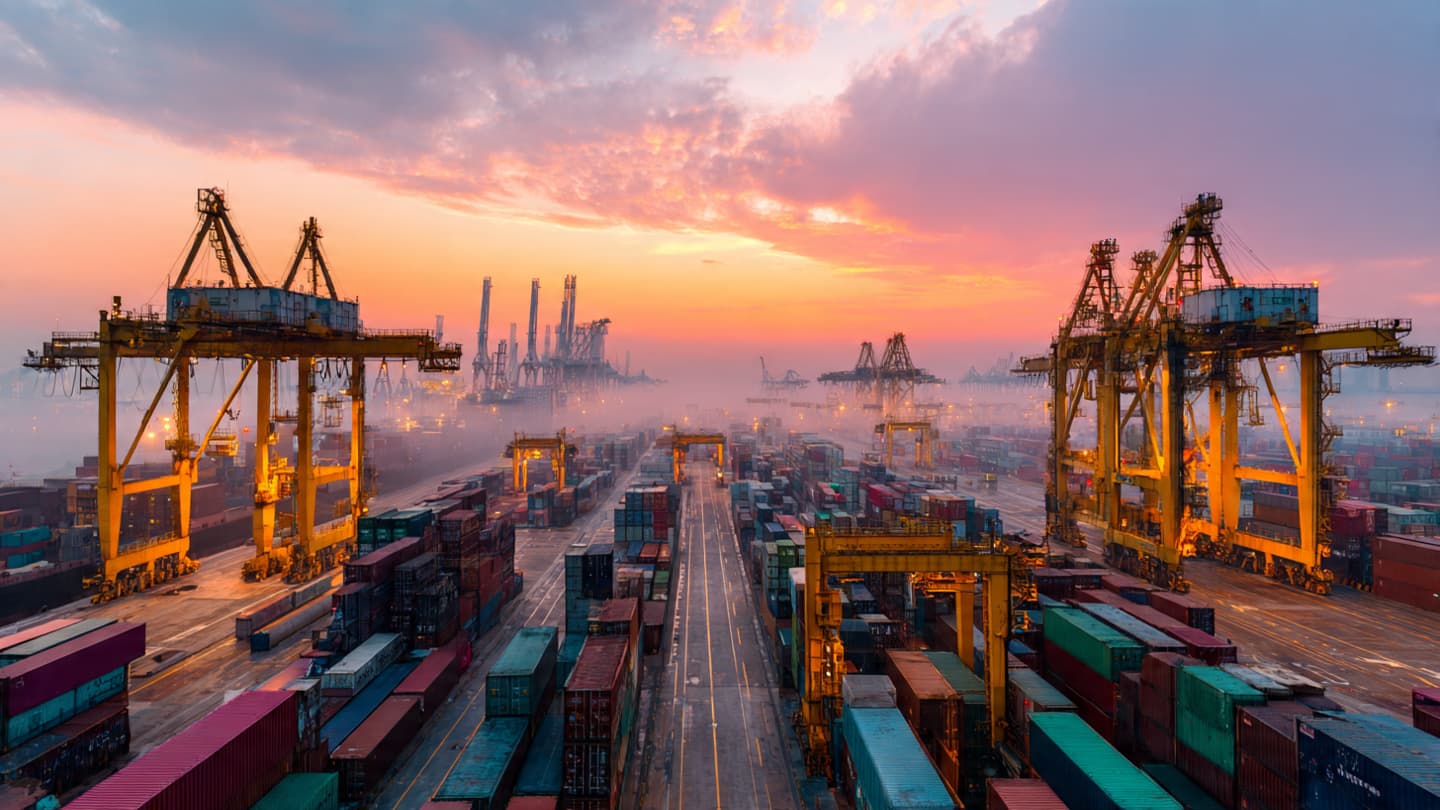
The commercial gateways of a developing island nation exist as vital arteries, pulling in the machinery, food, and consumer goods required to sustain daily life and drive economic growth. Along the bustling industrial waterfronts, the continuous arrival of massive steel containers from international shipping lanes represents a triumph of modern logistical integration. Yet, this high-volume system carries a deeper, more volatile undercurrent, as the very mechanisms designed to facilitate global trade are increasingly subverted by hidden, illicit networks.
Senior law enforcement officials have recently stepped forward to articulate a growing sense of urgency regarding the sophistication of contemporary transnational smuggling methodologies. Their concerns do not focus on crude, opportunistic attempts at concealment, but rather on highly strategic, industrialized operations that embed illicit cargo within legitimate commercial shipments. The transformation of ordinary domestic appliances, commercial generators, and heavy machinery into sophisticated storage vaults represents an alarming evolution in maritime contraband tactics.
Security analysts point out that the traditional focus on small-scale, localized smuggling points has been eclipsed by the reality of containerized freight operations that can move vast quantities of contraband in a single transit. The utilization of complex structural modifications within the steel walls of shipping containers requires specialized technical knowledge and significant financial backing. This industrialization of trafficking indicates that local gangs are increasingly intertwined with well-funded international criminal syndicates operating across multiple jurisdictions.
The institutional response to this shifting landscape has necessitated an aggressive re-evaluation of border management strategies and an increased reliance on non-intrusive inspection technologies. Port security personnel are being trained to look beyond the surface documentation, utilizing high-energy scanning systems to detect the subtle density anomalies that betray modified internal compartments. This technological arms race highlights a sober reality—the defense of national territory is now fought primarily through data analysis and advanced imaging.
Beyond the physical ports of entry, the domestic impact of these hidden arrivals manifests in the volatile dynamics of urban communities, where the influx of modern weaponry fuels ongoing cycle of gang conflict. Intelligence briefs suggest that a significant portion of the illicit cargo is destined for highly organized syndicates that manage distribution networks stretching across several parishes. The ability of these groups to continually replenish their resources via commercial shipping channels complicates the long-term stabilization efforts of ground forces.
The collaborative framework between national security agencies and international partners has taken on renewed importance as investigators attempt to disrupt the logistics chain at its point of origin. Shared intelligence databases allow authorities to track suspicious shipping patterns and identify shell companies utilized by trafficking networks to mask their illicit activities. This proactive approach aims to shift the burden of enforcement from the domestic ports to the international transit networks before the cargo ever reaches territorial waters.
As the dusk settles over the expansive container storage yards, the mechanical hum of the reach stackers provides a monotonous soundtrack to an environment under permanent security scrutiny. The operators who manage the complex dance of harbor logistics move with a standardized efficiency, yet the atmosphere is increasingly defined by an underlying layer of institutional vigilance. The state is fully aware that every arriving hull carries the dual potential of economic sustenance and systemic disruption.
The strategic briefings delivered to the ministry emphasized that the ongoing safety of the nation depends on a total modernization of the customs apparatus to match the persistence of organized crime. The Gleaner confirmed that senior police officials have sounded a major alarm over the rising trend of illegal firearms being trafficked into Jamaica via commercial shipping containers and cargo facilities. The authorities warned that criminals are utilizing sophisticated industrial concealment techniques, hiding weapons inside heavy household appliances and machinery to bypass standard security protocols.
Note: This article was published on BanxChange.com and is powered by the BXE Token on the XRP Ledger. For the latest articles and news, please visit BanxChange.com