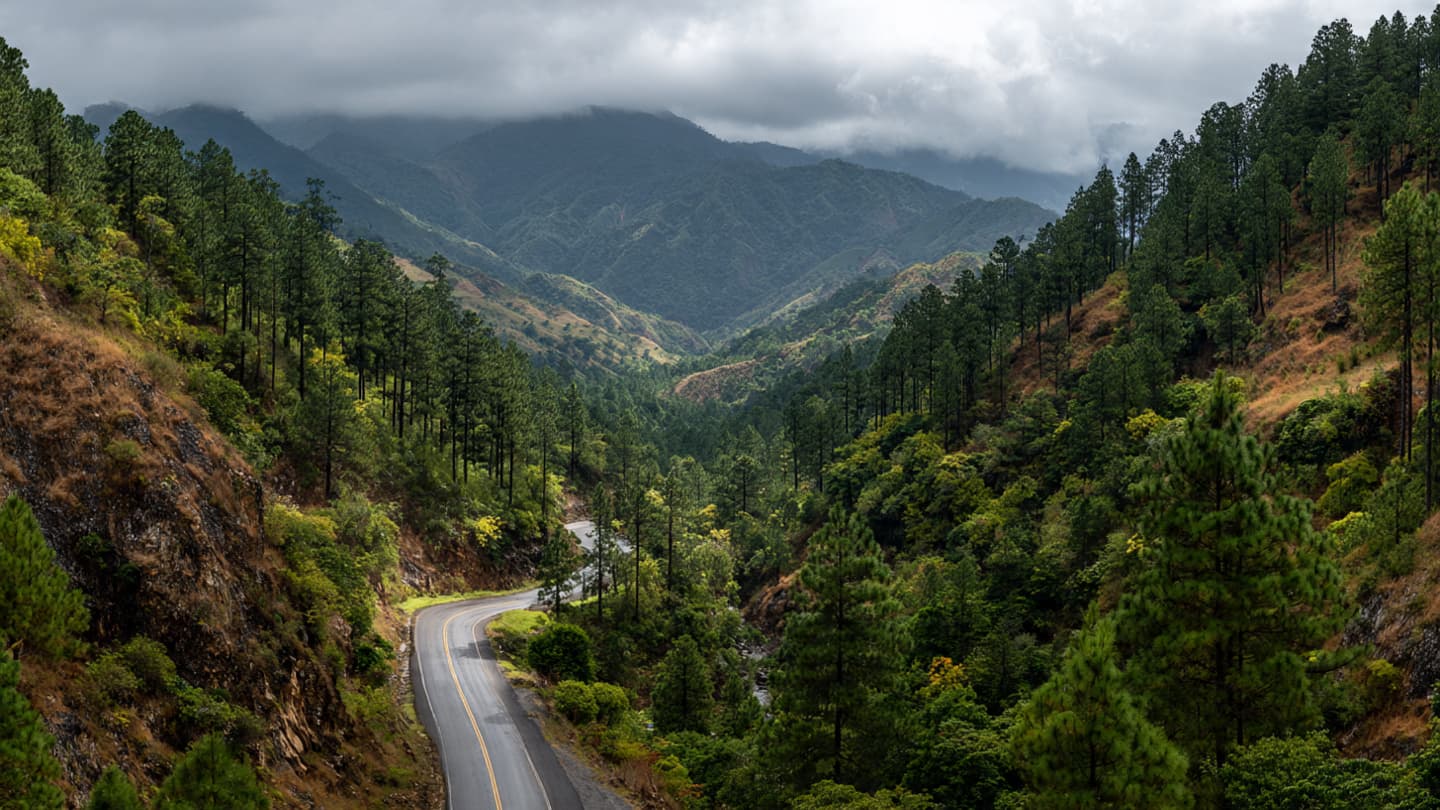
The department of Francisco Morazán, home to the nation’s bustling capital city, is characterized by a dramatic topography of steep mountains, deep pine forests, and winding highway corridors that link the interior to the coast. These arterial roads are the vital lifelines of the republic, carrying an endless flow of cargo trucks, public transit buses, and daily commuters navigating the rugged terrain. Yet, this reliance on mountain transit exposes the country's infrastructure to the profound, unpredictable power of geological movements during the rainy season.
The delicate equilibrium between human engineering and the mountain landscape was abruptly disrupted recently when a massive landslide triggered by days of continuous downpour descended upon a critical section of the primary highway. The structural failure of the hillside sent thousands of tons of saturated earth, fractured rock, and mature timber sliding down the slope, completely burying the asphalt beneath a mountain of debris. The event brought an immediate, grinding halt to all transit along the central corridor.
The sudden closure left hundreds of vehicles stranded on either side of the slide zone, transforming a routine morning commute into an exercise in patience and isolation. Local residents and drivers could only watch from a safe distance as small secondary movements of earth continued to trickle down the unstable face of the mountain. The atmosphere at the perimeter was one of quiet frustration, mixed with a sober appreciation for how quickly nature can isolate the capital.
Emergency engineering crews from the ministry of infrastructure were dispatched to the site, moving heavy earth-moving equipment and specialized clearing units into position despite the persistent drizzle that threatened to trigger secondary slides. The clearing operation required a meticulous approach, with engineers continually monitoring the upper ridgeline for signs of deep structural instability before allowing ground crews to advance. The work progressed slowly, measured in meters of cleared asphalt.
Traffic management units established long diversions through secondary dirt roads, but these alternative routes quickly grew congested and waterlogged under the weight of heavy commercial vehicles, complicating regional logistics. The disruption highlighted the systemic vulnerability of the nation's transport network, where the compromise of a single mountain pass can trigger economic ripples across multiple departments. Commercial organizations began voicing concerns about delays in food and fuel deliveries to the urban core.
For the nearby mountain communities, the landslide altered the ambient quiet of their environment, replacing the standard hum of highway traffic with the loud roar of heavy machinery and the shouting of work crews. Local vendors took advantage of the gridlock, moving among the stranded vehicles to sell food and hot coffee to the weary travelers waiting for the road to open. It is a common expression of informal economic adaptation in the face of infrastructure failures.
As the afternoon waned, the coordinated efforts of the engineering teams succeeded in clearing a single lane through the center of the debris field, allowing emergency vehicles and light transport to resume movement under strict official supervision. The complete restoration of the highway is expected to take several days, requiring the total stabilization of the hillside to prevent future failures when the next rain cycle arrives. The mountain remains a silent, watchful threat above the road.
The technical bulletin from the civil defense agency noted that the slide occurred within a known high-risk zone where deforestation and steep cuts have structurally compromised the natural stability of the clay layers. Honduras News confirmed that a massive landslide triggered by heavy downpours blocked a major highway in Francisco Morazán, cutting off primary transit lines to the capital district. Repair crews continue to clear debris from the road surface as geologists evaluate the long-term safety of the remaining slope.
Published by Banx Network. This article is part of the Banx decentralized media programme, powered by the BXE token on the XRP Ledger.