
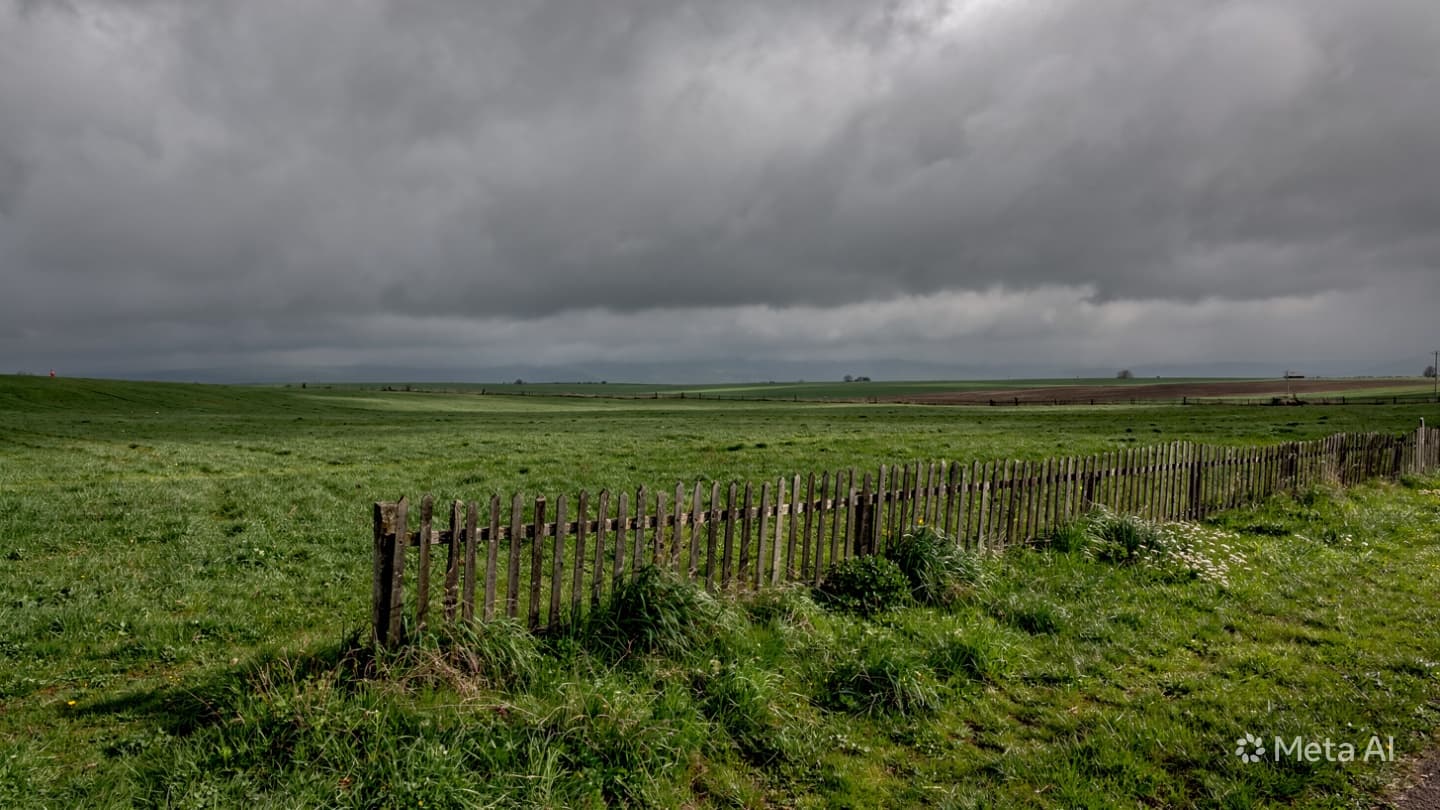
The passage of time has a way of softening the sharpest contours of history, turning the memory of conflict into statues, textbooks, and formal anniversaries. Across the landscape of Kosovo, the physical scars of the late twentieth-century war have largely been built over by bustling highways, modern apartments, and vibrant commercial centers. Yet, beneath this visible layer of contemporary progress, a deeper, unresolved history remains suspended—an invisible topography of grief that refuses to yield to the simple progression of calendar years.
For more than two decades, the families of those who vanished during the dark months of the regional conflict have lived in a state of perpetual, agonizing ambiguity. The pursuit of accountability and the location of missing bodies have been routed through a complex maze of local courts, international tribunals, and specialized investigative chambers. However, the administrative wheels of transitional justice have ground exceedingly slow, turning the legitimate expectations of survivors into a narrative defined by profound procedural delay.
In recent court terms, this slow trajectory has been punctuated by a series of high-profile acquittals and jurisdictional bottlenecks within the regional judiciary, raising significant concerns among human rights monitors. Multiple war crime prosecutions, initiated after years of painstaking evidence collection, have buckled under the weight of fading witness memories, missing documentation, and shifting political will. When a tribunal concludes without a definitive assignment of responsibility, the legal closure envisioned by international treaties remains unfulfilled.
To analyze this judicial landscape from a narrative distance requires understanding that a war crimes trial is not merely a technical exercise in criminal law; it is a public accounting of a society’s deepest trauma. When proceedings are drawn out over decades, the delay itself acts as a form of secondary victimization, forcing elderly parents to witness the slow dissolution of their legal recourses before learning the fate of their children. Every acquittal based on procedural technicalities deepens the institutional distrust that complicates reconciliation across ethnic divides.
The most tangible manifestation of this unresolved past is found in the hundreds of bodies that remain completely unaccounted for across the region. The search for mass graves has slowed to a crawl, hampered by a lack of real-time satellite archives from the conflict era and an ongoing reluctance by regional intelligence agencies to open their historical files. This informational impasse leaves family associations to rely on sporadic, localized excavations that frequently yield little more than empty trenches and renewed sorrow.
Faced with these systemic failures, civil society organizations in Pristina have intensified their scrutiny of the state’s witness protection programs, which they argue are insufficient to encourage individuals to come forward with critical testimony. In a small society where family networks are tightly knit, the decision to testify regarding historical atrocities carries immense personal and professional risks. Without robust, long-term security guarantees and psychological support, crucial pieces of evidence remain unspoken, hidden away in private memories.
Within the administrative offices of the European Union Rule of Law Mission and local justice ministries, officials emphasize that the prosecution of complex war crimes requires an adherence to strict standards of proof that cannot be compromised for political expediency. They point to the ongoing work of specialized forensic teams that continue to analyze DNA profiles as evidence of a sustained technical commitment. Yet, for the families waiting on the margins of the capital, these technical explanations offer cold comfort against the reality of an aging generation of survivors.
As the seasons turn once more over the fields of Kosovo, the uncounted dead remain an active, quiet presence in the national consciousness, an unwritten chapter that complicates the state's forward movement. The pursuit of transitional justice remains caught between the requirements of legal perfection and the urgent, human necessity of discovery. It is a quiet, heavy struggle against the erasure of memory, played out in silent cemeteries and quiet courtrooms where the past refuses to be buried without a name.
Note: This article was published on BanxChange.com and is powered by the BXE Token on the XRP Ledger. For the latest articles and news, please visit BanxChange.com